
Last updated November 21, 2026
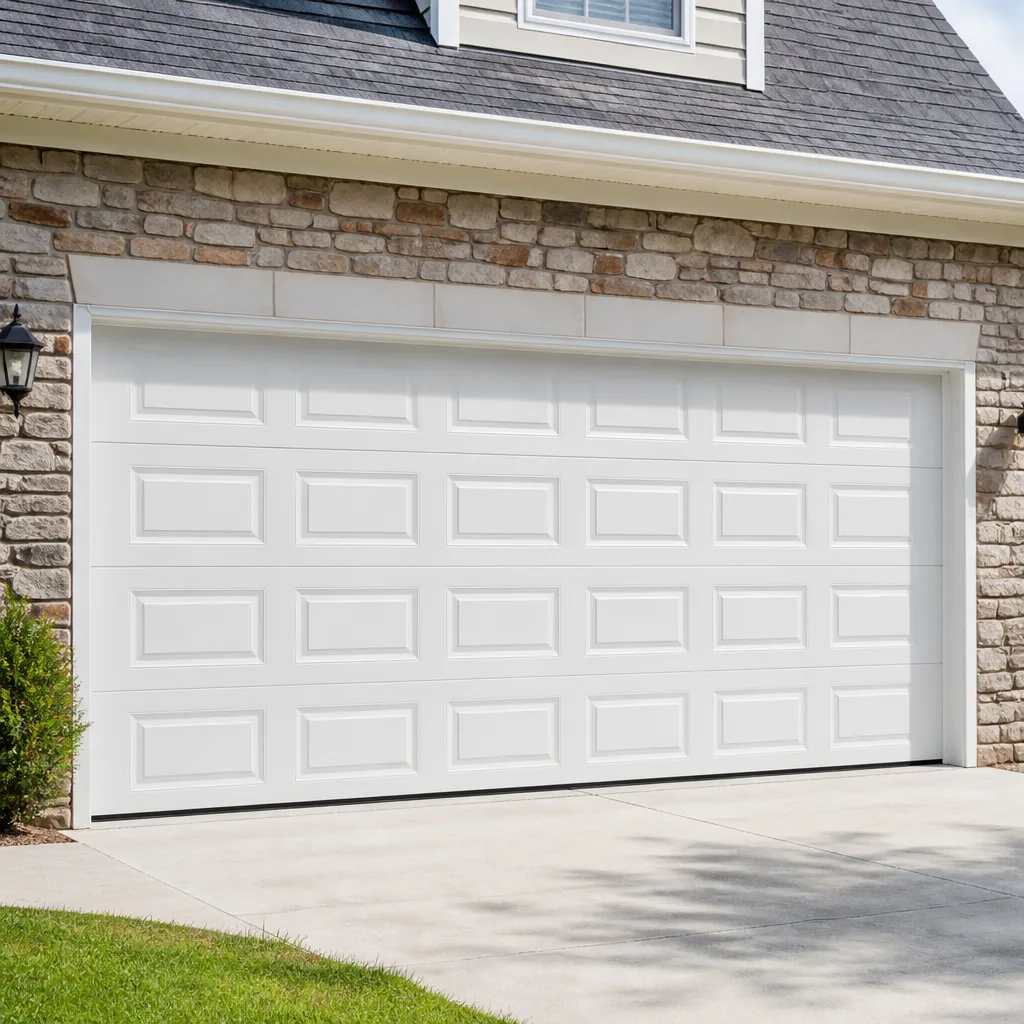 Raised-panel steel
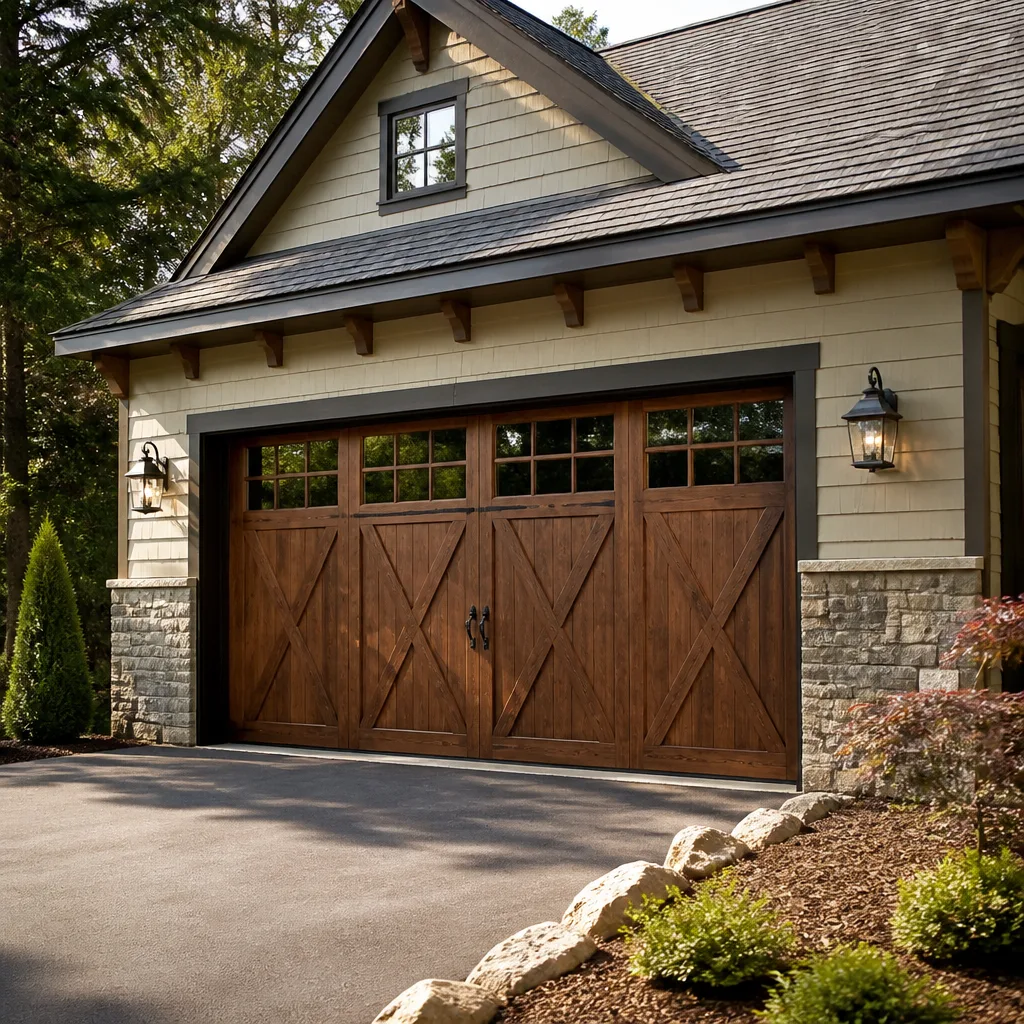 Carriage house
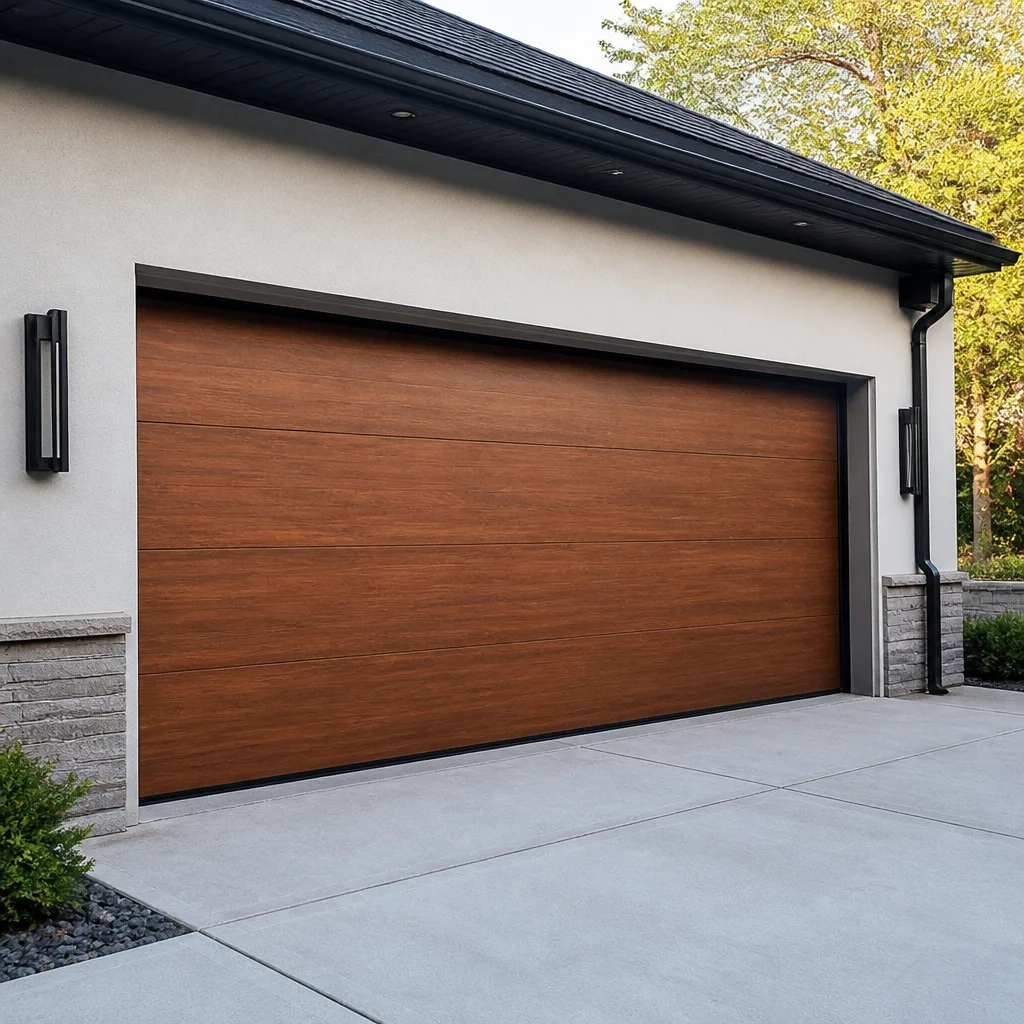 Modern flush
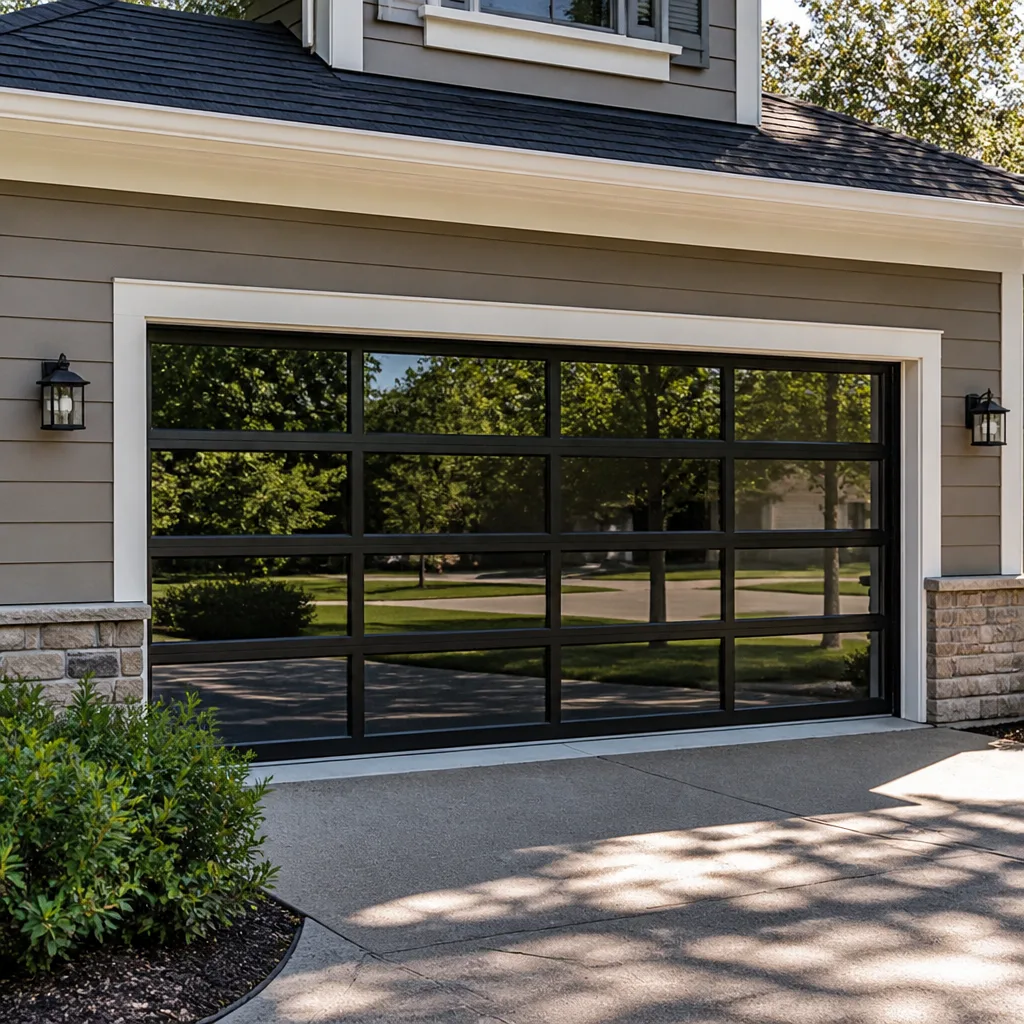 Full-view glass
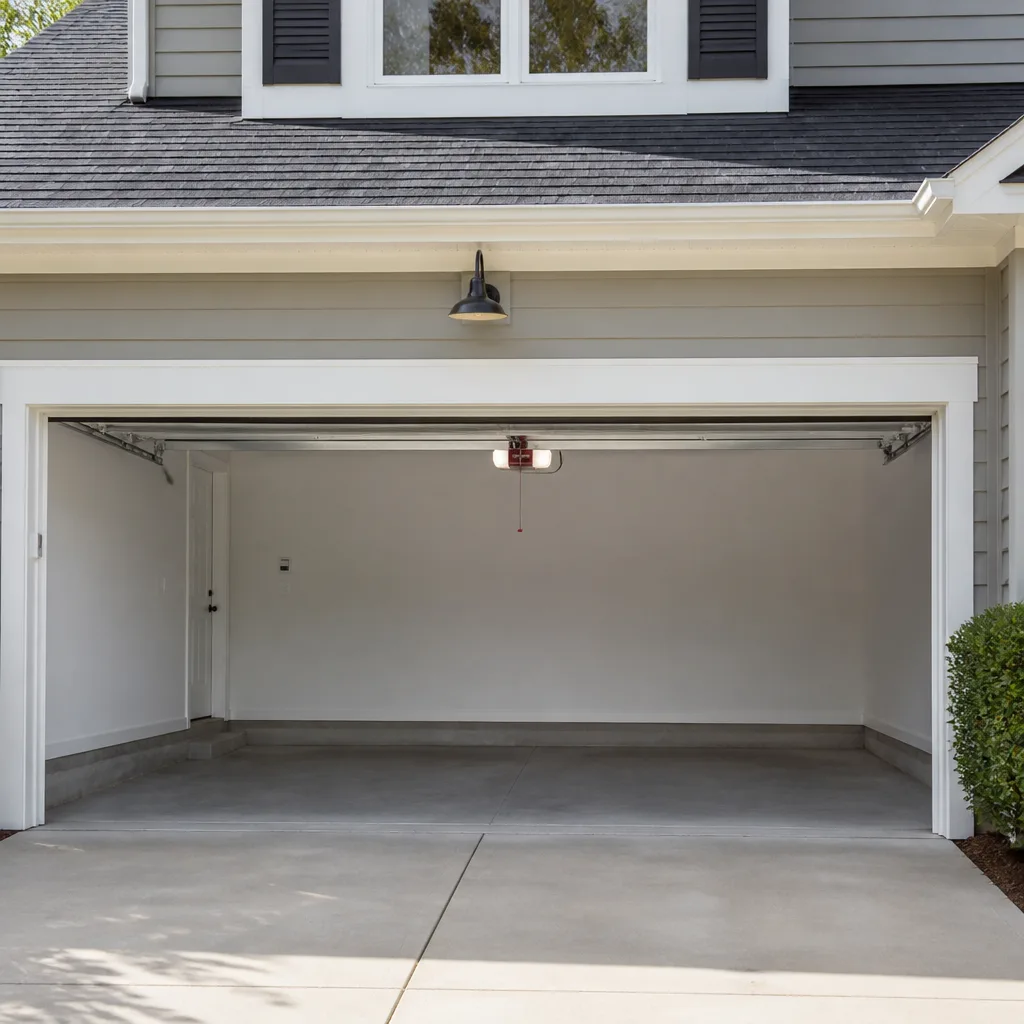 LiftMaster openers
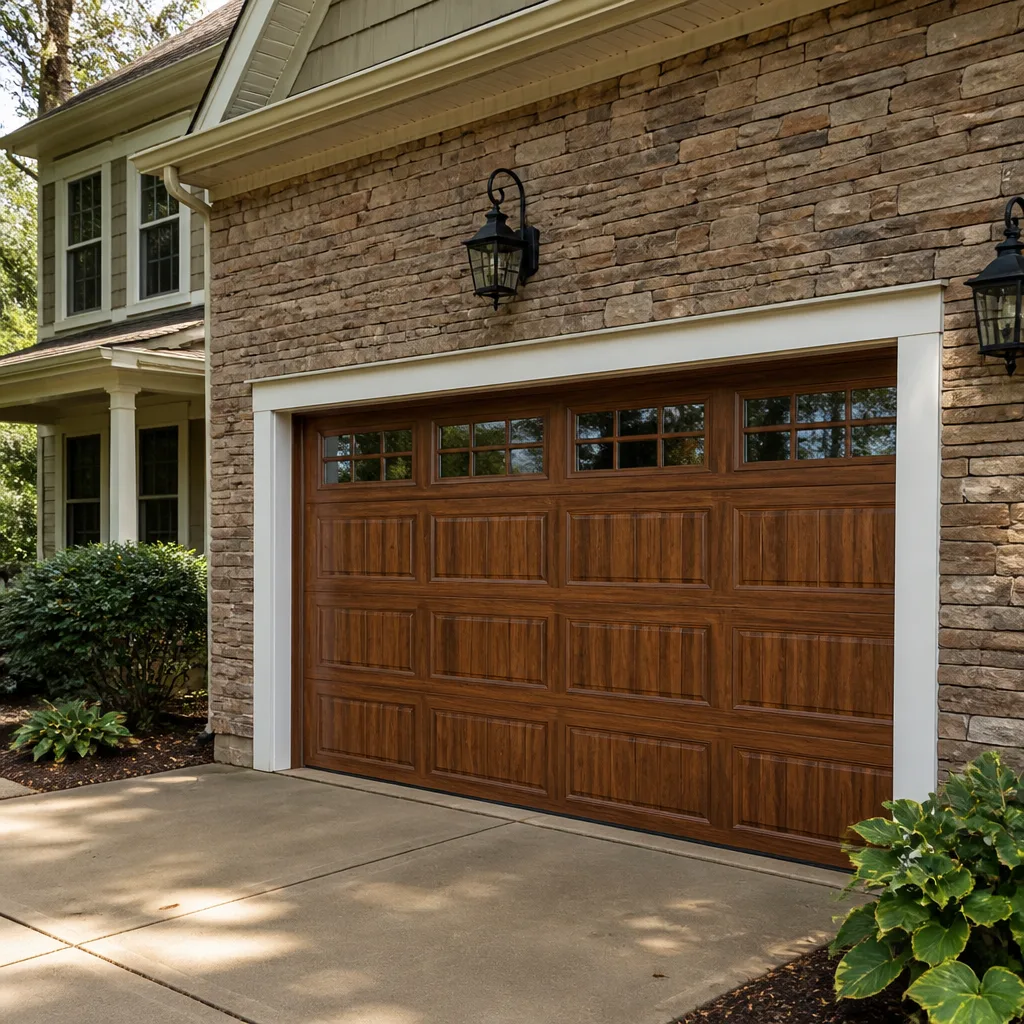 Chamberlain openers
Full 25-point door and opener safety check with every visit - springs, cables, rollers, tracks, and your LiftMaster or Chamberlain opener included
You get a price before we start. It does not change when the pro arrives.
Get your free estimateGarage Door Repair Troubleshooting in Paterson: Common Problems and How to Fix Them
A garage door that “just stopped working” is almost never a single mysterious failure. It’s one of five mechanical systems breaking in a predictable way, and the symptom you’re seeing points to which one. The trouble is that homeowners in Paterson often misread the symptom: they blame the opener for a spring problem, or the springs for a track problem, and spend money on the wrong fix before anyone has looked at the door. This guide sorts you into the right lane fast. You’ll learn which system is likely at fault, which repairs you can safely handle yourself, which ones can seriously hurt you, and how New Jersey’s temperature swings push Paterson doors harder than most. We’ll also cover the one test you should run before you call anyone.
Quick Answer
Most garage door problems come down to one of five systems: the springs, the cables and drums, the tracks and rollers, the opener and its safety sensors, or the door’s balance and hinges. A door that won’t move at all is usually a spring or opener failure, a door that reverses is almost always a sensor or limit setting, and a door that grinds or binds is typically a track or roller problem. Spring, cable and bottom-bracket work is never a homeowner repair because those parts hold the door’s full weight under high tension. Sensor realignment, remote reprogramming and track inspection are safe to check yourself first.
Styles & brands we work with
- Raised-panel steel
- Carriage house
- Modern flush
- Full-view glass
- LiftMaster openers
- Chamberlain openers
Table of Contents
- The Five Mechanical Systems That Fail on a Garage Door
- Symptom-to-System Diagnostic Matrix
- The DIY Ceiling: What You Can Fix vs. What Can Hurt You
- The Test to Run Before You Call Anyone
- Brand-Specific Quirks in Paterson’s Housing Stock
- Why Paterson Doors Fail More in January and March
- Opener and Remote Problems: Where to Start
- Noise, Grinding and Binding: What the Sound Tells You
The Five Mechanical Systems That Fail on a Garage Door
Every overhead door, whether it’s a Clopay steel panel door on a two-car garage or an Amarr carriage-style door on a smaller home, relies on the same five systems working together. When the door misbehaves, one of them broke. Knowing which one narrows the fix down to minutes instead of guesswork.
- Springs. Either torsion springs on a center shaft above the door or extension springs along the horizontal tracks. These counterbalance the door’s weight so the opener only lifts a fraction of it. A spring breaks with a loud bang and the door suddenly feels impossibly heavy.
- Cables and drums. The cables run from the bottom corners of the door up to drums at the ends of the torsion shaft. They keep the door level and transfer the spring’s lift to both sides. A slipped cable puts the door off-balance and can drop one side.
- Tracks and rollers. The vertical and horizontal tracks guide the door and the rollers ride inside them. Bent track, worn rollers or a roller popped out of the track cause the door to bind, grind or come off its path.
- Opener and safety sensors. The motor, the trolley carriage that travels the rail, the limit switches that set how far the door travels, and the photo-eye sensors at the base of the opening. These control movement, not weight.
- Balance and hardware. Hinges, bottom brackets, and the door’s own alignment. A door that’s out of balance or has a failing bracket pulls to one side, sags, or drags against the frame.
The reason this matters so much in Paterson is that the diagnostic shortcut is almost always wrong the first time. A homeowner feels resistance and assumes the opener is dying. More often the spring has lost tension and the opener is straining to lift a door it was never meant to lift alone. Here’s the diagnostic matrix that maps the symptom to the system.
Symptom-to-System Diagnostic Matrix
Match the symptom to the system, and you’ve skipped the expensive guessing stage. This is the same triage logic our technicians run through when they arrive, and you can apply most of it from the driveway in two minutes.
- Door won’t open at all, opener hums but nothing moves. Likely a broken spring (the opener can’t lift the dead weight alone) or a stripped trolley carriage on the rail. If the door feels extremely heavy when you try the manual release, it’s the spring.
- Door opens partway and stops. Usually a limit switch set wrong on the opener, or a spring that’s lost tension on one side. On older units, a worn gear inside the opener case often produces the same stall partway up.
- Door starts down, then reverses. Almost always the photo-eye safety sensors. Misalignment, a dirty lens, or a spiderweb across the beam will trip it. Sunlight hitting one sensor can cause it too.
- Door grinds or screeches as it moves. Worn rollers, a dry or bent track, or a cable rubbing where it shouldn’t. This is mechanical friction, not the opener.
- Remote won’t work but the wall button does. A remote or receiver problem, not the door. Dead battery, lost programming, or a receiver that needs a fresh pairing.
- Door hangs crooked, one side lower than the other. A stretched or slipped cable, or a broken spring on one side of a two-spring setup. Stop using the door.
- Door won’t close and the opener light blinks. Sensor obstruction or a travel limit that needs adjusting, depending on the brand’s blink code.
If you land on spring, cable, or crooked-door symptoms, treat that as a stop sign. Those are the repairs that belong with a trained technician, and our garage door spring repair service handles them as a core job rather than an outsourced afterthought. For everything else, keep reading before you pick up the phone.
The DIY Ceiling: What You Can Fix vs. What Can Hurt You
There’s a clear line between a homeowner fix and a technician-only repair, and it isn’t about skill. It’s about stored energy. A torsion spring on a standard residential door holds hundreds of pounds of tension, and releasing that tension the wrong way sends the winding bars and cable flying. We’ve built our whole repair philosophy around that line, and it’s worth drawing it for you plainly.
- Safe for a homeowner: photo-eye sensor realignment. The sensors sit a few inches off the floor on each side of the opening. Check that both lenses face each other, wipe them clean, and make sure nothing blocks the beam. If the small indicator light on each sensor is solid, they’re aligned.
- Safe: remote and keypad reprogramming. Follow the brand’s pairing sequence, usually a “learn” button on the opener head. This is a logic task with no moving parts under load.
- Safe with care: track inspection and light lubrication. Look for dents, look for a roller out of its track, and apply a proper garage door lubricant to hinges, rollers and the spring (never grease the tracks themselves).
- Safe: adjusting the opener’s travel limits. The up and down limit screws on the opener body set how far the door travels. Small quarter-turn adjustments, testing after each one, will fix a door that stops short or reverses before it seats.
- Not safe: torsion or extension spring replacement. This is the single most dangerous garage door repair. The spring must be wound with the correct number of turns using the right bars, and a slip can cause serious injury.
- Not safe: cable replacement and cable drum work. Cables are under the spring’s tension. Replacing one means de-tensioning the system first, which is spring work by another name.
- Not safe: bottom bracket replacement. The bottom bracket anchors the cable at the door’s lower corner. Under tension, a failed bracket can snap the cable loose with violent force.
If your diagnosis lands on item five, six or seven, stop. Call Paterson Garage Door Repair Pros and let a technician with the right tools and safety training take it from there. A repair that goes wrong on a tensioned spring can cost far more than the job itself, and our technicians have up to 13 years of experience working with exactly this kind of stored energy.
The Test to Run Before You Call Anyone
The manual disconnect and balance test tells you in about ninety seconds whether your door’s problem is mechanical or electronic, and it’s the first thing a technician checks. Run it before you dial a single number and you’ll describe the problem accurately, which saves time on the estimate.
- Close the door fully. Make sure nothing and no one is in the doorway.
- Pull the manual release cord. It hangs from the trolley carriage on the opener rail. This disconnects the door from the opener so you’re moving the door by hand.
- Lift the door halfway by hand. A properly balanced door feels surprisingly light because the springs are doing the work.
- Let go at the halfway point. A balanced door stays put. It should not drift down or slam up.
- Interpret the result. If the door falls, the springs have lost tension or broken. If it shoots up, a spring is over-wound. If it’s very heavy, the springs are failing. If it’s light and stays but sounds rough, the opener or track is your issue.
- Reconnect carefully. Push the door back down and pull the release cord again to re-engage the trolley. If the door won’t hold its weight, don’t reconnect it and use the opener. Leave it disconnected until a technician sees it.
This one test separates an opener problem from a spring problem, and it’s the difference between a quick electronic fix and a repair that needs a technician. If the test says “spring,” that’s the dangerous category, and garage door spring repair is where we focus. We answer 24/7 and dispatch Sunday through Friday, 7am to 7pm, so you’re never stuck guessing about a broken spring overnight.
Brand-Specific Quirks in Paterson’s Housing Stock
Paterson’s housing runs from early-1900s multifamilies near the Great Falls historic district to postwar ranches and newer builds around Hillcrest and Eastside. That range means a technician here sees everything from a decades-old Genie screw-drive unit to a modern Chamberlain with Wi-Fi control, often on the same block. Brand matters because each brand fails in its own way, and the error messages and sounds point to different fixes.
- LiftMaster and Chamberlain error codes. Both brands run on the same underlying logic and use error-code blink patterns on the opener head to report sensor, travel and obstruction faults. A one-blink pattern usually means a sensor issue; a repeated pattern after several blinks points to travel or logic. Knowing the code tells you whether it’s a sensor realignment or a limit adjustment.
- Genie screw-drive behavior. Older Genie screw-drive openers are quieter but have a characteristic sound when the screw or shuttle wears out, a crunch or stutter rather than a smooth drone. That’s a mechanical wear issue in the opener, not the door.
- Clopay panel weight and balance. Clopay steel doors, common on Paterson homes with two-car garages, are heavier than they look. Their balance point drifts faster than lighter doors when springs age, so a door that feels fine for years suddenly feels heavy.
- Amarr carriage-style doors. The decorative hardware and heavier panels on carriage-style Amarr doors put extra load on the hinges and rollers. Worn hinges show up earlier on these than on plain panel doors.
A specialist reads these brand signals because they work on the actual systems, not a generic workaround. We’re factory-familiar with eight major brands, and a technician who knows your LiftMaster’s blink code or your Genie’s screw-drive wear pattern diagnoses faster. If you want the opener side handled as its own dedicated job, see our garage door opener repair page.
Why Paterson Doors Fail More in January and March
Winter is the hardest season on a Paterson garage door, but the two worst months aren’t always the coldest ones. January and March each break doors for different reasons, and understanding the seasonal rhythm tells you what to watch for before the failure.
January: temperature cycling and brittle springs. After the holidays, the cold settles in and the door cycles through dozens of open-close movements a day at temperatures well below freezing. Steel springs lose ductility in the cold and become more prone to snapping, especially as they cycle between the cold of an overnight and the relative warmth of a heated garage. That rapid temperature swing is what weakens them.
March: contraction and settlement. The freeze-thaw cycle of late winter shifts the ground under a garage slab and expands and contracts metal tracks. Tracks that were true in October can loosen their bolts or bend slightly as the ground moves, and a track that’s even a fraction out of line makes the door bind and the rollers wear. The door might have survived all winter only to start grinding as spring arrives.
- Cold-weather warning signs: slower movement, grinding, a door that reverses in the cold, or an opener that strains. These all point to friction or balance problems that worsen as the temperature drops.
- What to do before winter: have the door’s balance checked, lubricate the moving metal parts, and inspect the tracks. A door that’s balanced and lubricated in autumn handles January far better.
- What to do in March: check the track bolts for tightness (snug, not cranked down) and look for any bent vertical or horizontal track from ground movement.
- Why it matters here: Paterson’s winters put real stress on metal, and the dense residential blocks around the People’s Park area mean many doors cycle dozens of times a day. Each cycle uses up a little spring life.
The seasonal pattern isn’t a reason to panic. It’s a reason to run the balance test in the fall and to check the tracks in early spring, before something fails on a morning you need to leave for work.
Opener and Remote Problems: Where to Start
When the door itself is sound and it’s the opener that’s failing, the fix is usually on the electronic side. Opener repair is its own discipline, separate from the door’s mechanical systems, and it covers smart, Wi-Fi-enabled and legacy units across several brands. Start with the simplest causes and work outward.
- Confirm the power and the wall button. If the wall button works and the remote doesn’t, the door is fine and the problem is in the remote or receiver.
- Check the remote battery. A dead or weak battery is the most common remote failure, and it’s a two-minute fix.
- Reprogram the remote. Follow the brand’s learn-button sequence. A remote that lost its programming after a power outage or a receiver reset needs to be paired again.
- Inspect the safety sensors. A door that reverses or won’t close is usually a sensor issue, not a remote. Make sure both lenses are clean, aligned and unobstructed.
- Check the travel limits. If the door stops partway or won’t fully close, adjust the up or down limit screw in small steps, testing after each.
- Listen to the motor. A motor that hums without lifting a sound door points to the opener; a motor that strains against a heavy door points to the springs. Go back to the balance test to tell them apart.
If a LiftMaster or Chamberlain opener throws a blink pattern you can’t decode, or a Genie unit crunches instead of droning, that’s when a dedicated opener technician earns their keep. Our opener-repair service covers all of this as a standalone job rather than a tacked-on extra. Whichever way your diagnosis lands, our garage door repair page lays out the full scope of what we handle.
Noise, Grinding and Binding: What the Sound Tells You
Sound is one of the most reliable diagnostic tools a technician has, and you can use it too. A garage door in good shape hums quietly. Every other sound points somewhere specific, and matching the noise to the part saves a trip.
- A loud bang, then nothing moves. A broken torsion spring. The door will feel extremely heavy and may hang crooked. Stop and call a technician.
- A rhythmic thumping or scraping as the door moves. A bad roller, a bent track, or a hinge with a loose or broken plate. Usually a mechanical fix and worth a look before it damages the track.
- A grinding at the opener head. A worn gear inside the opener. Common on older units and a sign the opener itself is aging out.
- A high-pitched squeal. Dry rollers or hinges that need lubrication. This is the easiest fix on the list, and the most ignored.
- A rattle over bumps in the track travel. Track bolts that have loosened with the seasonal expansion and contraction.
- A snap, then loose cable. A broken cable or a failing bottom bracket, which is dangerous and needs a technician.
The pattern holds: noise is friction, sound of failure, or energy being released dangerously. If it’s a bang or a snap, keep clear of the door and call us. Call (833) 800-4197. We answer 24/7. Fast dispatch from 7am to 7pm, Sunday through Friday. For a door that’s grinding but still working, get the balance test and track inspection done before it gets worse.
Common Mistakes to Avoid
- Replacing the opener when the spring is the problem. A straining opener is often a symptom of a failing spring, not a failing motor. Replacing the opener on a door with a bad spring leaves the real problem untouched and the new opener strains just as hard.
- Ignoring a door that’s out of balance. A door that drags or hangs slightly is easy to live with until it isn’t. Out-of-balance doors wear the opener, the cables and the rollers, and each cycle makes a small problem bigger. In Paterson’s winter cold, that wear accelerates.
- Greasing the tracks. Lubricant on the tracks attracts dirt and makes the rollers slide instead of roll. Grease the hinges, rollers and spring, never the track surface.
- Adjusting travel limits with the door disconnected. The limits control the door’s travel through the opener’s chain or belt, and adjusting them while the trolley is disconnected sets the wrong reference. Reconnect the door first, then adjust.
- Anchoring the bottom bracket or cables yourself. The bottom bracket holds the cable under spring tension. A DIY replacement can release the cable with violent force and cause serious injury, which is why we don’t recommend it under any circumstances.
- Assuming a remote problem is a door problem. When the wall button works and the remote doesn’t, the door is fine. Don’t start adjusting the door or the limits to fix what’s actually a remote battery or a pairing issue.
- Putting off a track inspection until the door comes off. Bent track and popped rollers are cheap to correct early. Wait, and the door can slip the track entirely, which is far harder on the door and the hardware.
See the difference
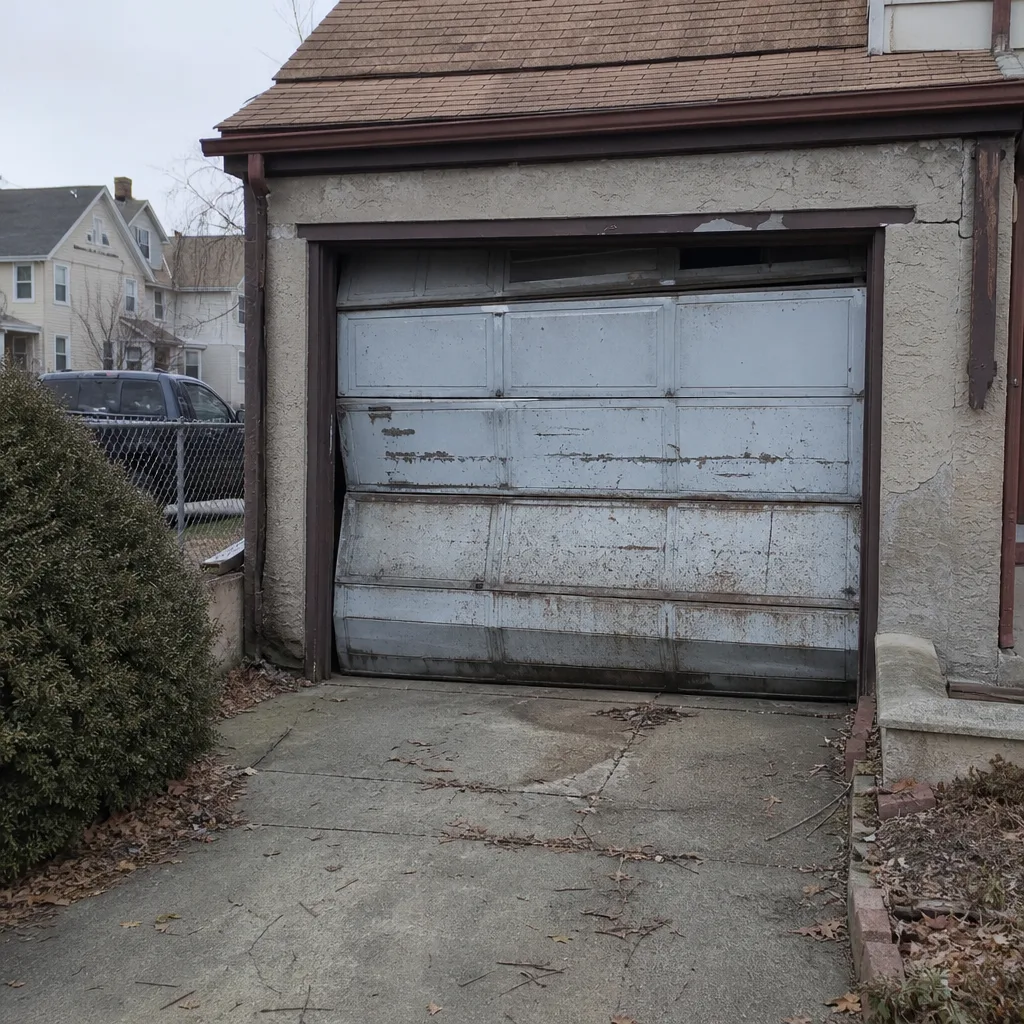 Before
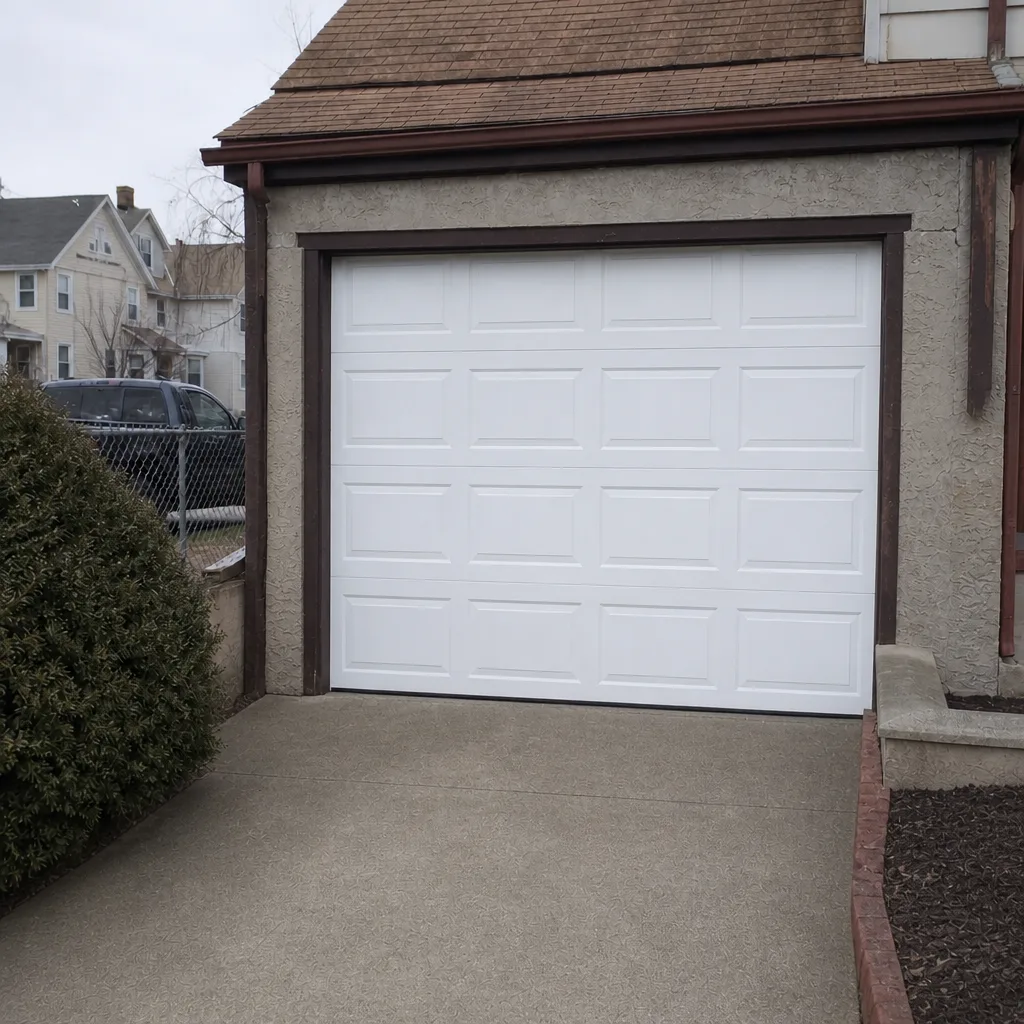 After
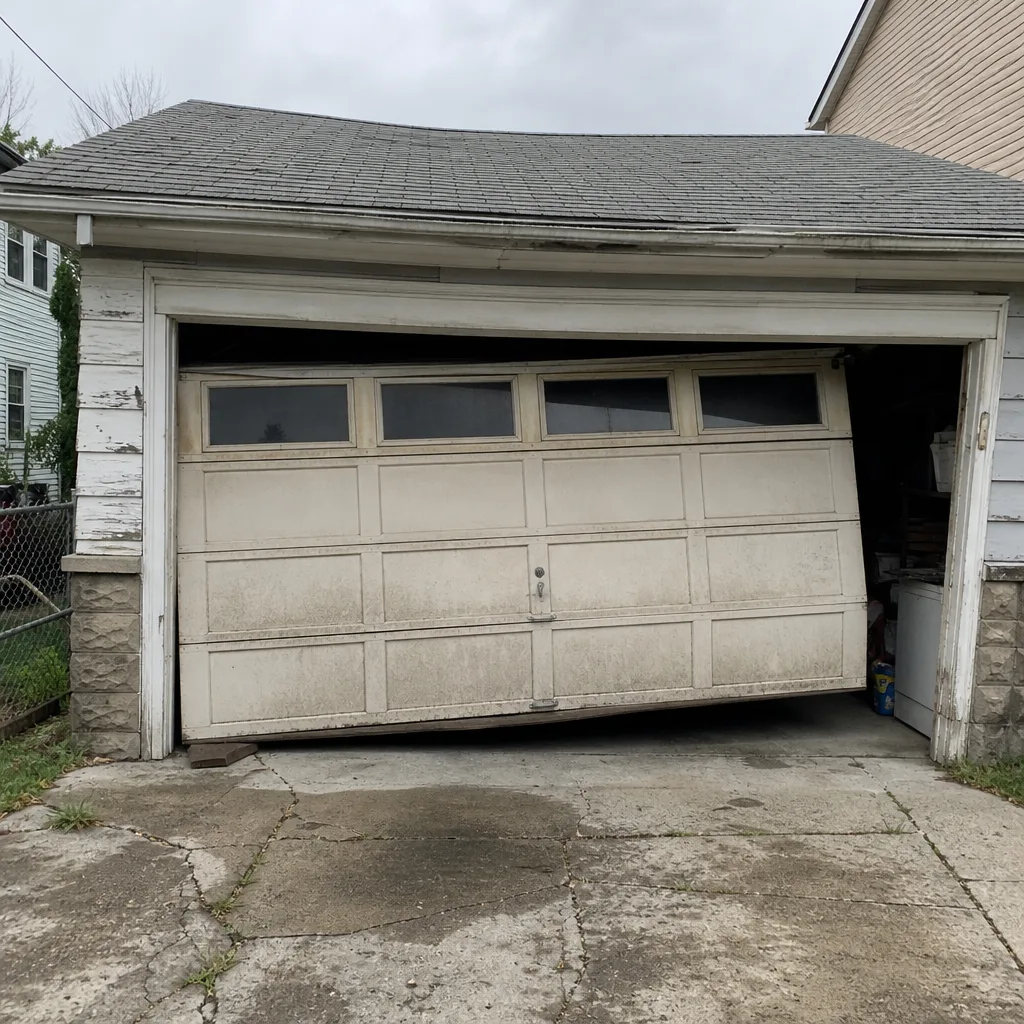 Before
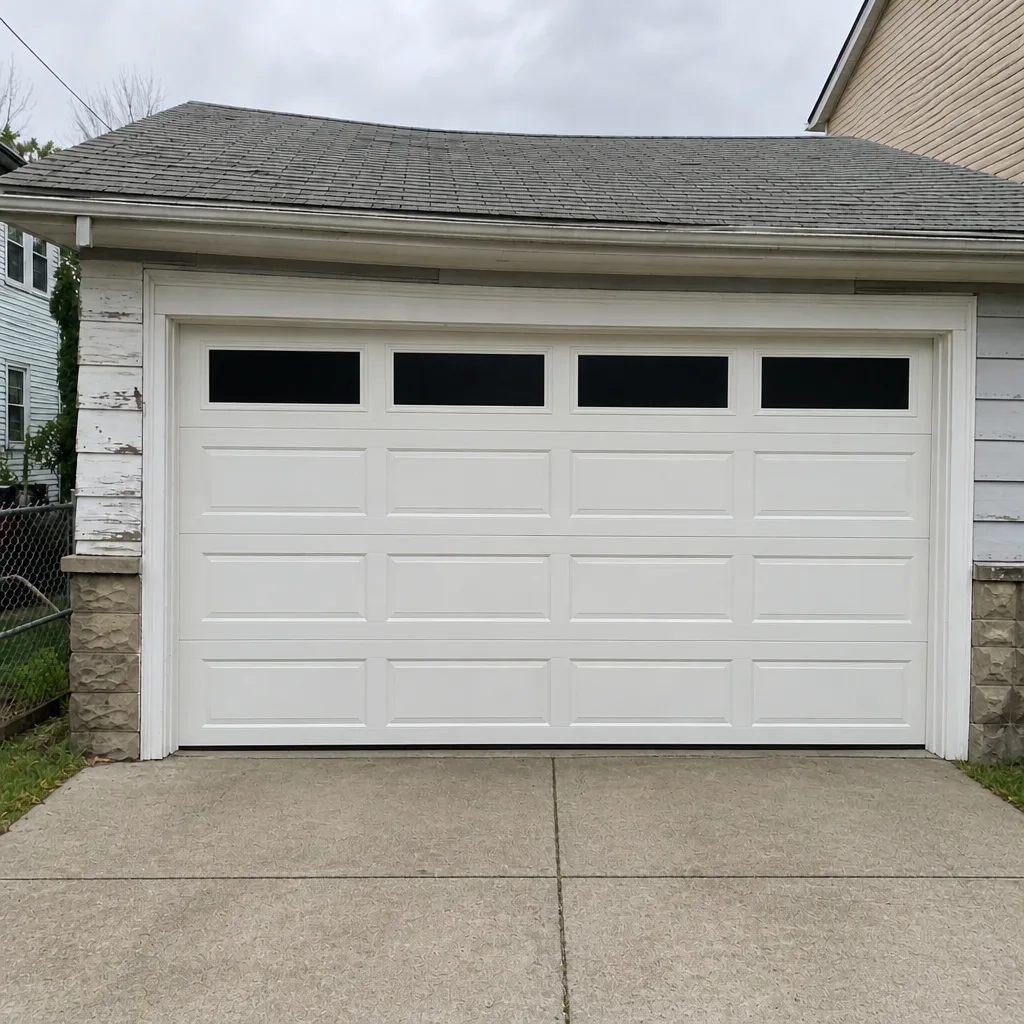 After
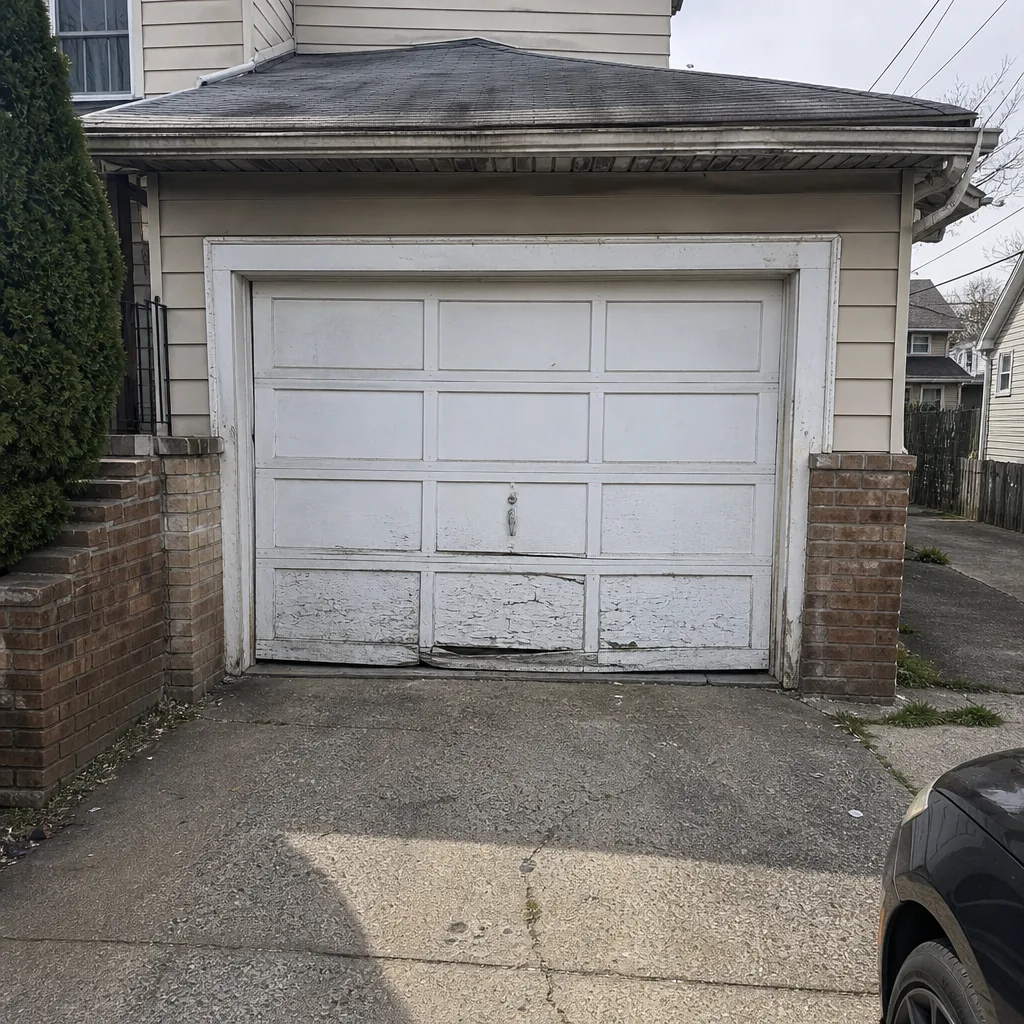 Before
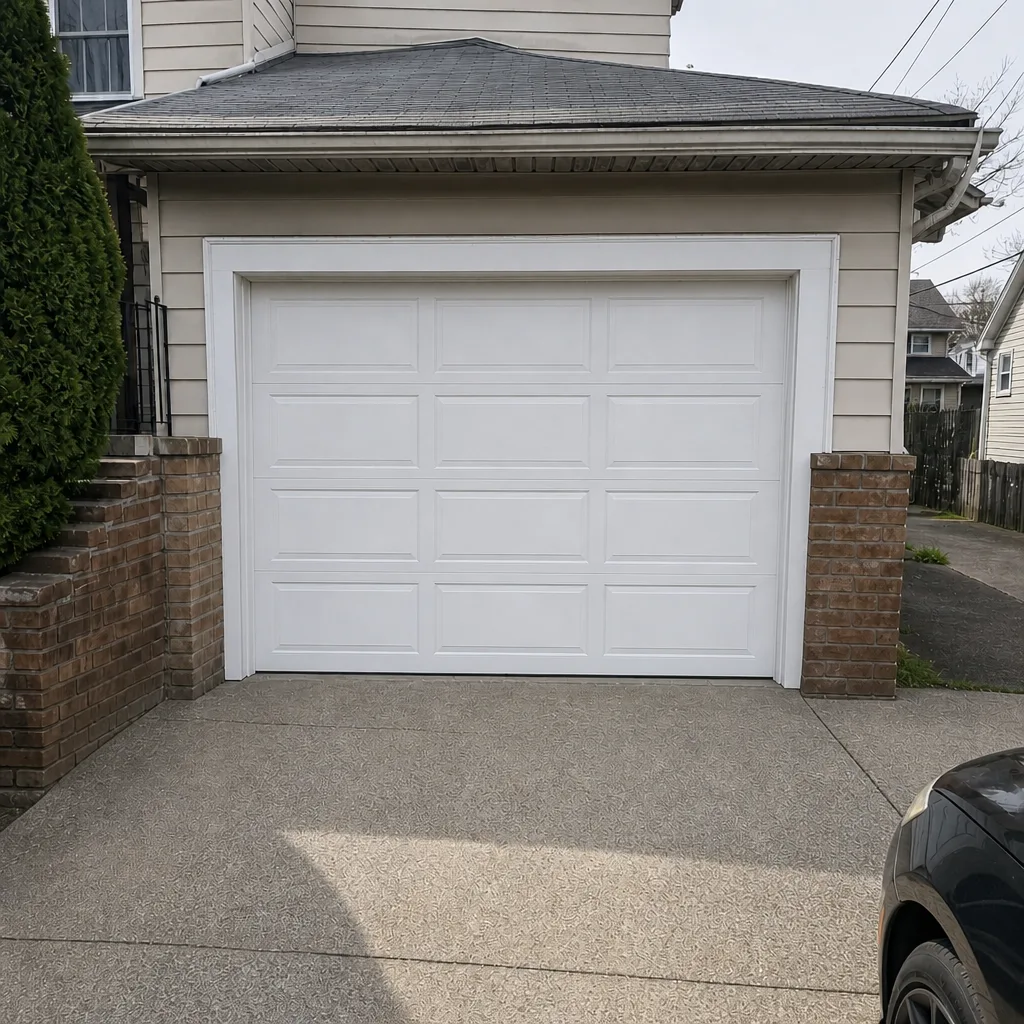 After
When to Call a Professional
Call a professional for any repair involving springs, cables, or the bottom bracket. Those parts are under stored energy, and a technician with the right tools and safety training handles them safely. Call us too if the balance test shows the door is heavy or crooked, if a noise turns into a bang or a snap, if the door has come off the track even slightly, or if a brand-specific error code leaves you guessing. If your door is stuck open and exposed, or won’t close and leaves the house unlocked, emergency service is a genuinely available option for those situations. Our technicians have up to 13 years of experience with spring, cable and opener work across six of the brands listed on our site. Paterson Garage Door Repair Pros offers free estimates in Paterson. Call (833) 800-4197, and we answer 24/7 with fast dispatch from 7am to 7pm, Sunday through Friday.
Frequently Asked Questions
Run the manual disconnect and balance test: disconnect the door from the opener and lift it halfway by hand. If the door is extremely heavy or falls rather than holding its position, the springs are the problem. If the door feels light and balanced but the opener still won’t move it, the opener is the issue. If you suspect the springs, stop using the door and call (833) 800-4197 for an exact quote.
No, we don’t recommend it under any circumstances. A torsion spring holds hundreds of pounds of tension, and a slip during winding can cause serious injury. This is a technician-only repair that requires the correct winding bars, the right number of turns and safety training. Call (833) 800-4197 for a free estimate from a trained technician.
Check the photo-eye safety sensors first. A door that starts down and reverses is almost always a sensor issue: a dirty lens, a misalignment, or something blocking the beam. Clean and realign both sensors and confirm their indicator lights are solid. If the sensors are fine and the door still won’t close, it may be a travel-limit setting or a brand-specific fault. Call (833) 800-4197 for an exact quote.
Cold weather makes steel springs less ductile and more prone to snapping, and the freeze-thaw cycle of a Paterson winter expands and contracts the metal tracks. January breaks springs through temperature cycling and March bends tracks as the ground shifts. Have the balance checked and lubricate the moving parts before winter to reduce the strain. Call (833) 800-4197 if your door is already struggling.
Yes, emergency garage door service is a genuine part of what we offer for doors that are stuck open, can’t close and leave the house unlocked, or have failed in a way that’s a real security problem. Call (833) 800-4197 to get a technician booked. We answer 24/7, with fast dispatch from 7am to 7pm, Sunday through Friday. A call outside dispatch hours is booked into the next opening.
We price each job by written estimate, so the price is set once the technician has seen the door and agrees it with you before any work starts. The written estimate is the final price, not a starting point. Call (833) 800-4197 for a free estimate and an exact quote. Estimates are free.
We’re factory-familiar with eight major brands, including Genie and LiftMaster, so a technician reads your specific unit’s error signals and wear patterns instead of guessing. Genie screw-drive wear and LiftMaster blink codes each point to a different fix. Call (833) 800-4197 and tell us the brand for an exact quote.
The Bottom Line
Most garage door problems fall into one of five systems, and the symptom and the sound point to which one broke. Before you call anyone, run the manual disconnect and balance test: if the door is heavy or crooked, it’s a spring or cable problem and it’s time for a professional. Sensor realignment, remote reprogramming and limit adjustments are safe to try yourself; spring, cable and bottom-bracket work never is. In Paterson, plan around the winter: failing springs in January, shifting tracks in March, and doors that cycle dozens of times a day all year. Know the lane your problem is in, and you’ll spend less money and stay safer. Your door, back on track.
Contact
If your diagnosis points to a spring, a cable, a bent track or an opener you can’t sort out, we’re ready to help. Call (833) 800-4197 for a free estimate. We answer 24/7, with fast dispatch from 7am to 7pm, Sunday through Friday. A call outside dispatch hours is booked into the next opening. A specialist handles the full life of your door, from the first repair through a full replacement, so you never have to source a separate contractor as your door ages.
Written by the team at Paterson Garage Door Repair Pros.