
Last updated November 21, 2026
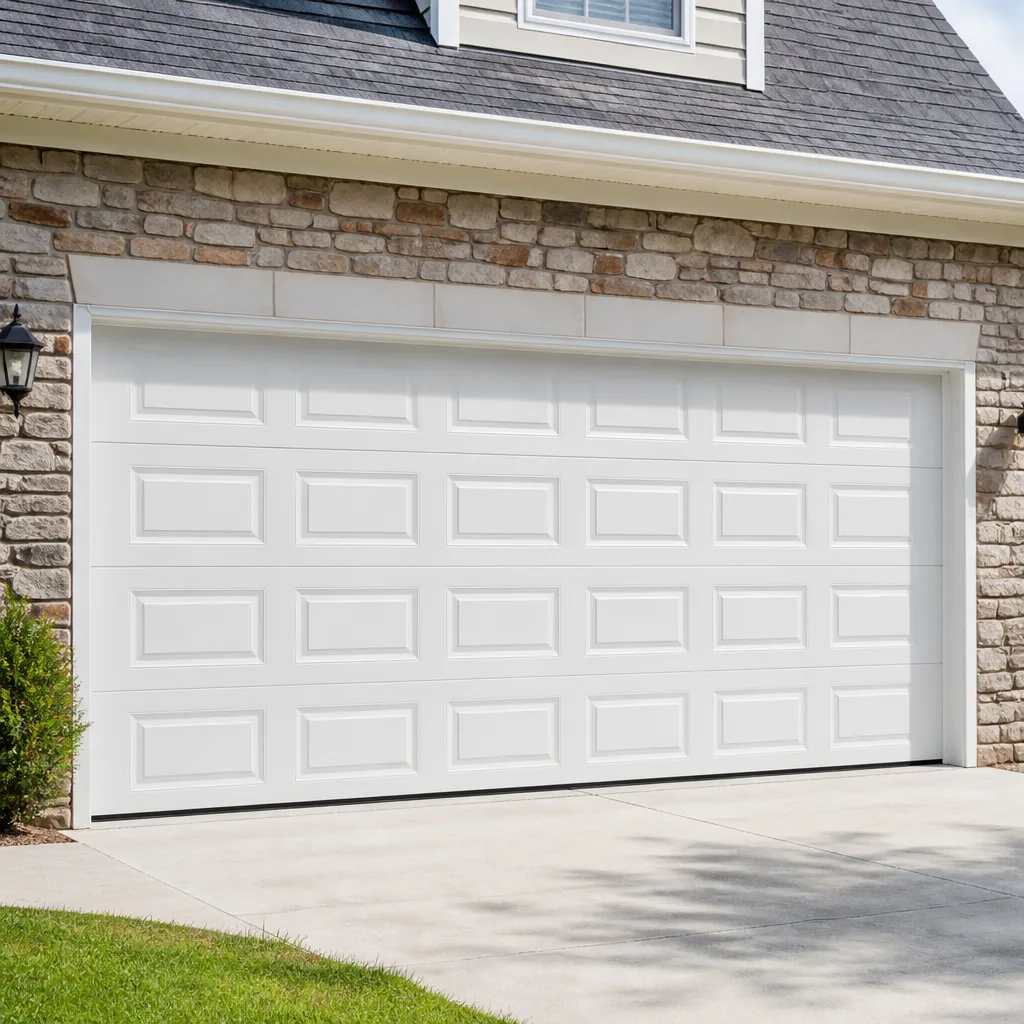 Raised-panel steel
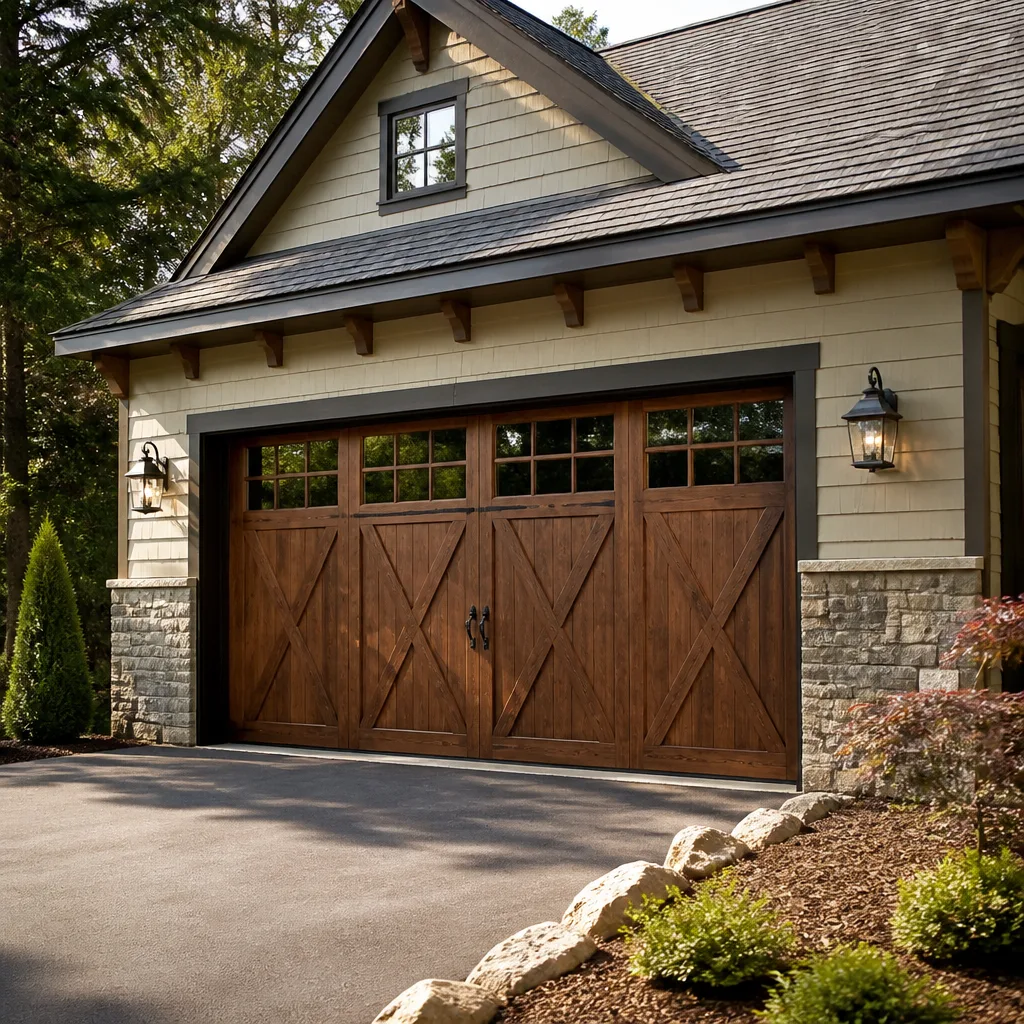 Carriage house
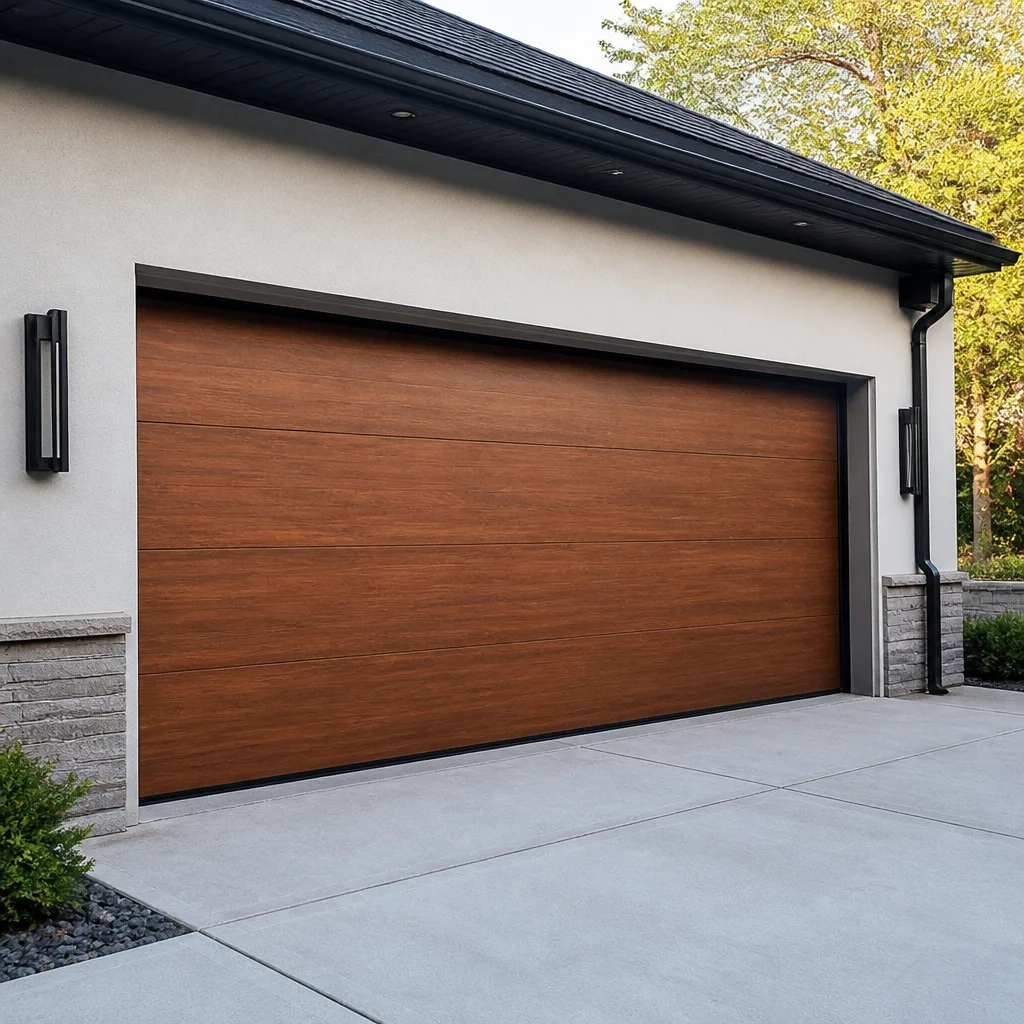 Modern flush
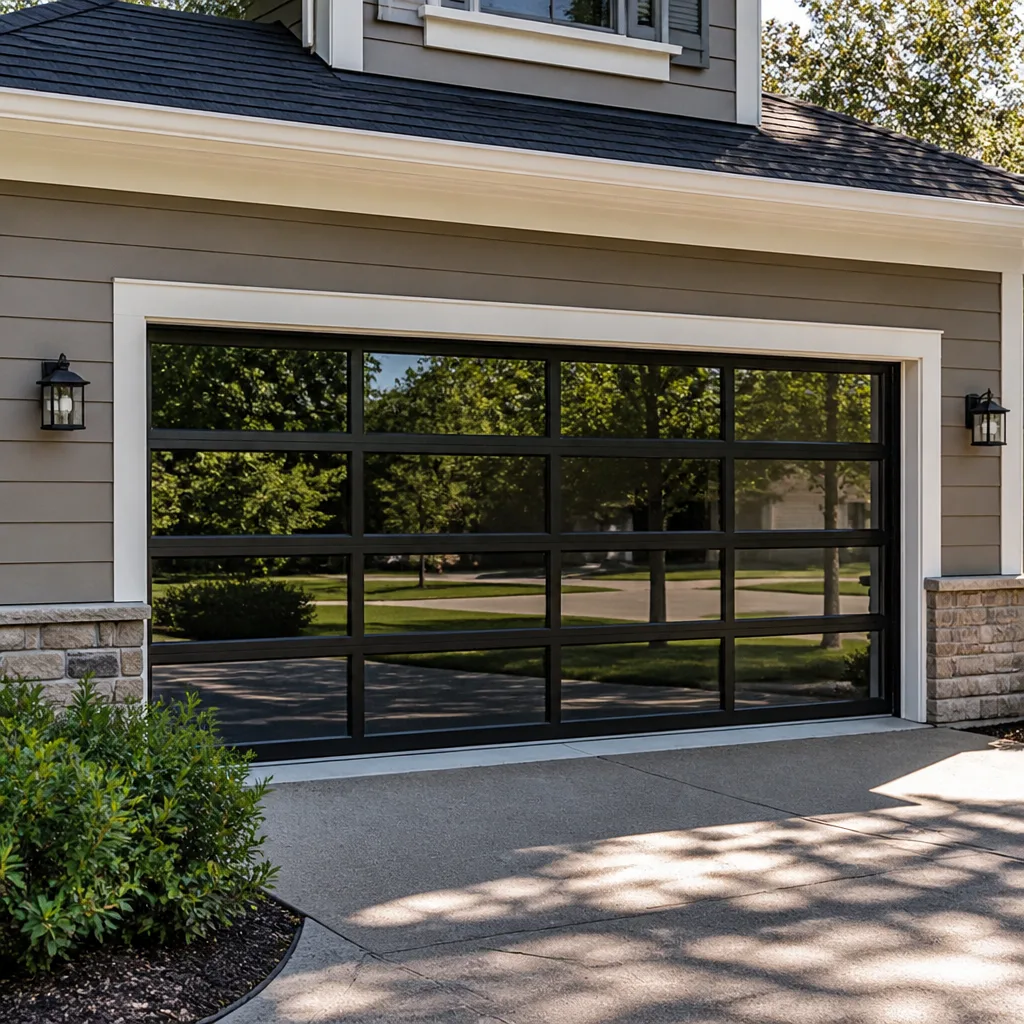 Full-view glass
 LiftMaster openers
 Chamberlain openers
Full 25-point door and opener safety check with every visit - springs, cables, rollers, tracks, and your LiftMaster or Chamberlain opener included
You get a price before we start. It does not change when the pro arrives.
Get your free estimateGarage Door Permits, Codes & Inspections in Paterson, NJ: What You Need to Know
Most Paterson homeowners assume a garage door is a simple swap, like changing a light fixture. It isn’t. Replacing a door or changing how an opener is wired usually counts as construction work in New Jersey, and that means a permit through the City of Paterson’s Construction Office. Skip it, and the problem doesn’t disappear. It sits quietly in your property records until a buyer’s title search pulls it up at the worst possible moment, or until you need to make an insurance claim and get asked who signed off on the installation. In this guide we walk through exactly when a permit is required in Paterson, what the state Uniform Construction Code has to say about garage doors, how the local inspection process works, and what to do if you inherit an unpermitted door from a previous owner. If you’re replacing a door, the permit question comes first.
Quick Answer
In Paterson, NJ, a garage door replacement that changes the door’s size, weight, framing, structural fastening, or adds or replaces an electric opener generally requires a permit from the City of Paterson Construction Office under New Jersey’s Uniform Construction Code. A true like-for-like swap, same size and same type, done with no structural or electrical changes, is often treated as ordinary maintenance and may not require one. The only reliable answer for your specific door comes from the city’s building department before work starts.
Styles & brands we work with
- Raised-panel steel
- Carriage house
- Modern flush
- Full-view glass
- LiftMaster openers
- Chamberlain openers
Table of Contents
- When is a garage door permit required in Paterson, NJ?
- What New Jersey’s Uniform Construction Code says about garage doors
- How the permit process works in Paterson: steps and timeline
- What inspectors actually check on a garage door installation
- Fire-rated door requirements for attached garages
- What if previous owners skipped the permit?
- Why this matters when you sell or file an insurance claim
- Frequently asked questions
When Is a Garage Door Permit Required in Paterson, NJ?
A garage door permit in Paterson is generally required when the work goes beyond a direct swap of the same door. The city’s construction office reviews projects by scope: if you’re changing something structural, electrical, or how the opening is framed, expect a permit. If you’re replacing one door with an identical-size door of the same type and leaving the opening and wiring untouched, the work often falls under maintenance.
The line between the two isn’t always obvious from the outside, which is where homeowners get caught. Here’s the practical breakdown of what usually triggers a permit and what usually doesn’t:
- Permit likely required: Changing the door’s width or height, replacing a single door with a double door, altering or repairing header or jamb framing, changing the type of spring system, adding a new opener circuit, or converting a manual door to an automatic one.
- Permit likely required: Any work on a fire-rated door separating an attached garage from the house, including replacement with a different door type or rating.
- Often no permit: Replacing a door with an identical-size door of the same material and type, where no framing, header, spring style, or electrical work changes.
- Often no permit: Routine repairs like a broken spring, a snapped cable, a misaligned track, or a failed photo-eye sensor. Repair work isn’t new construction.
- Ask before you assume: Opener replacement. A straight swap of an existing opener on an existing circuit is sometimes treated as a minor electrical change, sometimes not. Confirm with the city.
Paterson’s housing stock is old, with plenty of two- and three-family homes where the garage opening has been altered at some point and never documented. That history matters. What looks like a simple swap often reveals a header that was cut, a jamb that was shimmed, or a spring that was upgraded. Our team at Paterson Garage Door Repair Pros has seen plenty of Paterson doors that were never installed to spec, and the permit question comes up on nearly every full replacement. Measure first, then call the building department. That order saves you from a plan that gets rejected before you’ve ordered the door.
What New Jersey’s Uniform Construction Code Says About Garage Doors
New Jersey regulates construction through the Uniform Construction Code, known as the UCC, which is enforced by local construction offices, including the one in Paterson. Under the UCC, garage door installation falls under building and, when an electric opener is involved, electrical subcode review. The code’s purpose is straightforward: the door has to hold up under normal use, be properly fastened to structure, and not create a hazard to anyone walking under or near it.
The UCC itself is a framework; the technical details live in the model codes it adopts and the manufacturer’s installation instructions, which are treated as part of the standard. For a garage door, inspectors and code officials look at the same set of core issues:
- Structural attachment. The door tracks and torsion hardware must attach to framing that can carry the load. That’s the point most often missed in old Paterson homes, where a previous installer may have bolted into sheathing instead of structure.
- Spring and cable safety. Torsion and extension springs must be sized correctly for the door’s weight and installed with proper containment on the cables. Spring hardware is genuinely dangerous, and the code and manufacturer instructions assume this work is done with the right tools by someone who knows what they’re doing.
- Entrapment protection. A door operated by a powered opener needs a functioning safety reverse system: the photo-eye sensors at the floor and, on older systems, the pressure or force adjustment. The opener’s own safety standards set the specifics, and the UCC cross-references them.
- Electrical work. New wiring, new circuits, and new opener power connections fall to the electrical subcode. The installer running a dedicated circuit is not the person signing off on it.
- Fire separation. On attached garages, the door between the garage and living space has its own requirements, covered further down.
We work on all the major brands, including Raynor, LiftMaster, Chamberlain, and Genie, which matters here: each brand’s installation instructions are specific, and inspectors expect the door to be installed the way the maker designed it. A generic installation that works but doesn’t match the manufacturer’s spec is a common fail on inspection. If you want to know how the work itself is handled, our garage door repair page covers the process from the technician’s side.
How the Permit Process Works in Paterson: Steps and Timeline
Paterson’s permit process runs through the City of Paterson Construction Office. For a straightforward garage door replacement, the sequence looks like this:
- Measure and document. Confirm the door’s size, type, material, spring system, and whether an opener is involved. Photos of the existing opening help.
- Call the Construction Office. Before you order a door, call the city’s construction office and describe the work in plain language: replacing a 16-foot door with the same size, same type, new torsion springs, existing opener retained. Ask whether they want a permit application.
- Submit the application. That means the permit application itself, a description of the work, and often the manufacturer’s installation instructions or a product spec sheet. Plans and drawings are usually not needed for a like-for-like door replacement, but the office will tell you.
- Pay the fee and get the permit issued. Fees are set by the city and depend on the scope of work. Get the current number from the Construction Office; don’t rely on what a neighbor paid last year.
- Do the work. The installation itself happens after the permit is issued. If any electrical work is involved, that portion is handled by a licensed electrician.
- Schedule the inspection. After the door is installed, call for inspection. The inspector comes out, checks the installation against the approved scope, and either signs off or issues a correction notice.
- Close the permit. Once the inspection passes, the permit is closed and the record is clean.
Timelines in Paterson vary with the volume at the construction office and whether corrections are needed. Permit review for a straightforward door replacement can move quickly; inspections usually get scheduled within a short window, though the office sets the date. The variable that adds weeks is a correction notice, and that’s almost always the result of an application that didn’t describe the work accurately. Get the scope right on paper and you’ll save the most time. Opener work is prepared differently, and our garage door opener repair page goes through what a permit-worthy opener job involves.
What Inspectors Actually Check on a Garage Door Installation
An inspection on a garage door job is not a formality. The inspector is verifying the door was installed to the approved scope, that it’s safe, and that the hardware matches the manufacturer’s design. In our experience, these are the things that come up:
- Track and bracket attachment. Are the tracks plumb, level, and fastened into framing? Inspectors look for a proper attachment, not fasteners into soft sheathing.
- Spring installation. Correct spring type and size for the door’s weight, properly mounted to a torsion tube or extension hardware, with cables routed and secured correctly.
- Cable containment. Cables must be routed so a failure doesn’t send them flying. That’s a code expectation, and it’s a specific point inspectors check on older installations being brought up to standard.
- Safety reverse. If the door has an opener, the inspector may test the photo-eye sensors and the reverse function. A door that closes on a rolling object is a fail.
- Manual release. The opener’s emergency release must work from inside the garage, and the cord should be at a reachable height.
- Electrical. The electrical subcode inspector verifies any new wiring or circuit. Not the building inspector’s job, and not the installer’s.
- Fire separation door. On attached garages, the door between house and garage is checked against the required rating and hardware.
Inspection failures on garage doors are usually one of two things: hardware attached to the wrong structure, or a safety reverse system that wasn’t set up. Both are avoidable with a proper installation, and both are the reason we tell Paterson homeowners not to hand a full door replacement to a general handyman. A door that works on day one and doesn’t hold up under inspection is a door you’ll pay to redo.
Fire-Rated Door Requirements for Attached Garages
If your garage shares a wall with the house, the door between the garage and the living space is part of the home’s fire separation, and the UCC and NJ residential code treat it that way. The requirement isn’t about the big garage door you drive through. It’s the smaller pedestrian door connecting garage to house, and it has specific requirements for its rating and for how it’s hung, closed, and held open.
What this means for a Paterson homeowner:
- The door between an attached garage and a house must typically be a solid-core or labeled fire-rated door, hung with the appropriate hardware. A hollow-core interior door swapped in by a previous owner is a common find in older Paterson homes.
- Self-closing and self-latching hardware is typically required, so the door doesn’t stand open and let fire or fumes into the living space.
- If the pedestrian door is part of your replacement scope, it has to be installed to the correct rating and documented on the permit.
- Openings created for the door must be framed correctly and sealed at the wall, not just trimmed over.
The big vehicle door itself is not typically a rated assembly; the fire separation is achieved at the wall and the pedestrian door. That’s a detail a lot of Paterson homeowners get wrong when they’re planning a whole-garage renovation. If you’re replacing the big door and the pedestrian door at the same time, put them on the same permit or ask the construction office how they want the scope split. It’s cleaner in the long run.
What If Previous Owners Skipped the Permit?
Inheriting an unpermitted garage door isn’t the end of the world, but it does need to be handled deliberately. In Paterson, you can usually fix the problem after the fact, but the route matters. Here’s how to work through it:
- Find out what’s actually on record. Contact the City of Paterson Construction Office and ask what permits were pulled for your address, specifically for the garage and any related work. You may need to request the file in person or by the city’s process.
- Compare the record to what’s there. Does the installed door match the last permit on file? If there’s no permit and the door was replaced, the work is undocumented.
- Ask the construction office how they want it resolved. For a door that was installed correctly but never permitted, some towns will accept a permit application after the fact with a field inspection. Others want it handled differently. Let the office tell you.
- Have an installer verify the installation before you apply. A door installed to a standard passes inspection; a door bolted into sheathing with undersized springs does not. Get a professional assessment first so you know what you’re bringing to the city.
- Document the resolution. Once the permit is closed, keep the paperwork. It’s what a buyer’s title search and your insurer will look for.
We get called for a lot of these. A homeowner buys a house in Paterson, calls us for a spring repair, and the technician finds a door installed without any record. The correction is usually manageable, but doing it before a sale is a lot easier than doing it in the middle of one. Spring work that’s been done incorrectly is a safety issue in its own right, which is why we handle garage door spring repair as a core service with trained technicians rather than passing it off.
Why This Matters When You Sell or File an Insurance Claim
The reason permits matter in Paterson is not that the city is watching. It’s that other people look at records at the worst times.
During a home sale, the buyer’s attorney typically requests open permits and permit history from the town. An improvement that required a permit and doesn’t have one can surface as an “unpermitted improvement” issue. That usually produces one of a few outcomes: the sale is delayed while the seller gets it permitted and inspected, a credit is negotiated, or the matter is left unresolved and becomes a problem later. None of those are good, and all of them are avoidable with a permit at the time of installation.
Insurance claims have a similar shape. If a garage door failure causes damage and the claim is reviewed, an insurer can ask who installed the door and whether it was permitted. A door installed without a required permit gives the insurer a question to raise. We’re not saying every claim gets denied; that depends on your policy and the specific facts. What we can say plainly: a permitted, inspected installation is a much cleaner position to be in, and the paperwork responds for you.
There’s a practical benefit too. When a permit is pulled and the inspector signs off, the installation was checked by someone other than the installer. That’s a second set of eyes on hardware that fails catastrophically when it’s done wrong.
Common Mistakes to Avoid
- Ordering the door before calling the city. If you measure, order, and pay for a door before finding out whether it needs a permit, you’ve locked yourself into a plan that may need to change. Call the construction office first.
- Assuming a like-for-like swap never needs a permit. Sometimes it doesn’t. Sometimes the framing behind the old door was never right, and once you open it up the job is bigger than a swap. Have the opening inspected before you declare it a simple replacement.
- Treating opener work as an electrical no-man’s-land. A new opener circuit is electrical work. It has a subcode and an inspector attached to it. Don’t assume a handyman can run the wiring.
- Ignoring the pedestrian door. In attached garages in Paterson, the pedestrian door between house and garage is part of the fire separation. A hollow-core door in that opening is a common fail, and it’s easy to miss if you’re focused on the big door.
- Using the wrong fasteners into old framing. Paterson’s older homes have framing that isn’t always what it looks like. Lagging a track into a shimmed jamb that can’t hold the load is an inspection fail and a safety issue.
- Assuming the last owner’s work was permitted. If you’ve never seen the permit history for your house, get it. Every homeowner should know what’s on record before they need to know.
- Letting a failed inspection sit. A correction notice is a deadline, not a suggestion. Get it fixed and re-inspected before it becomes an open permit that follows the house.
See the difference
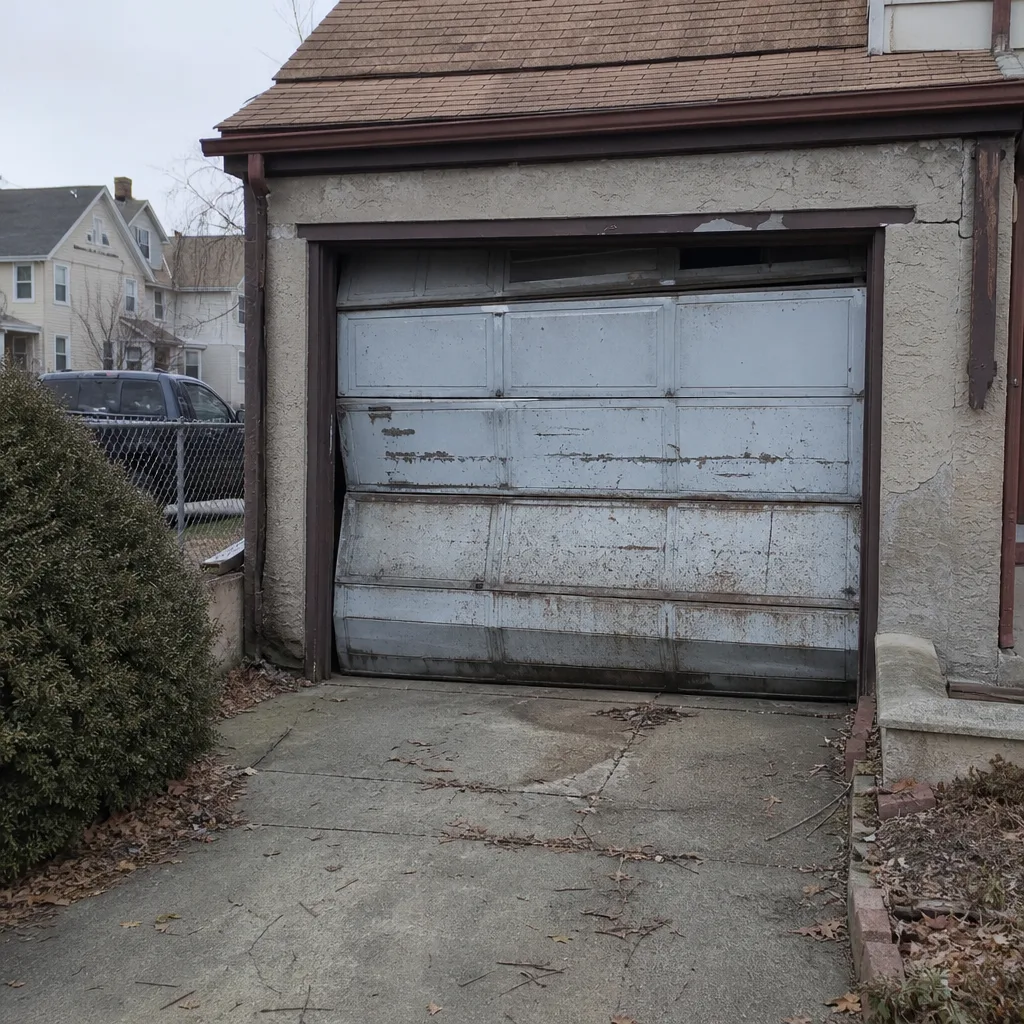 Before
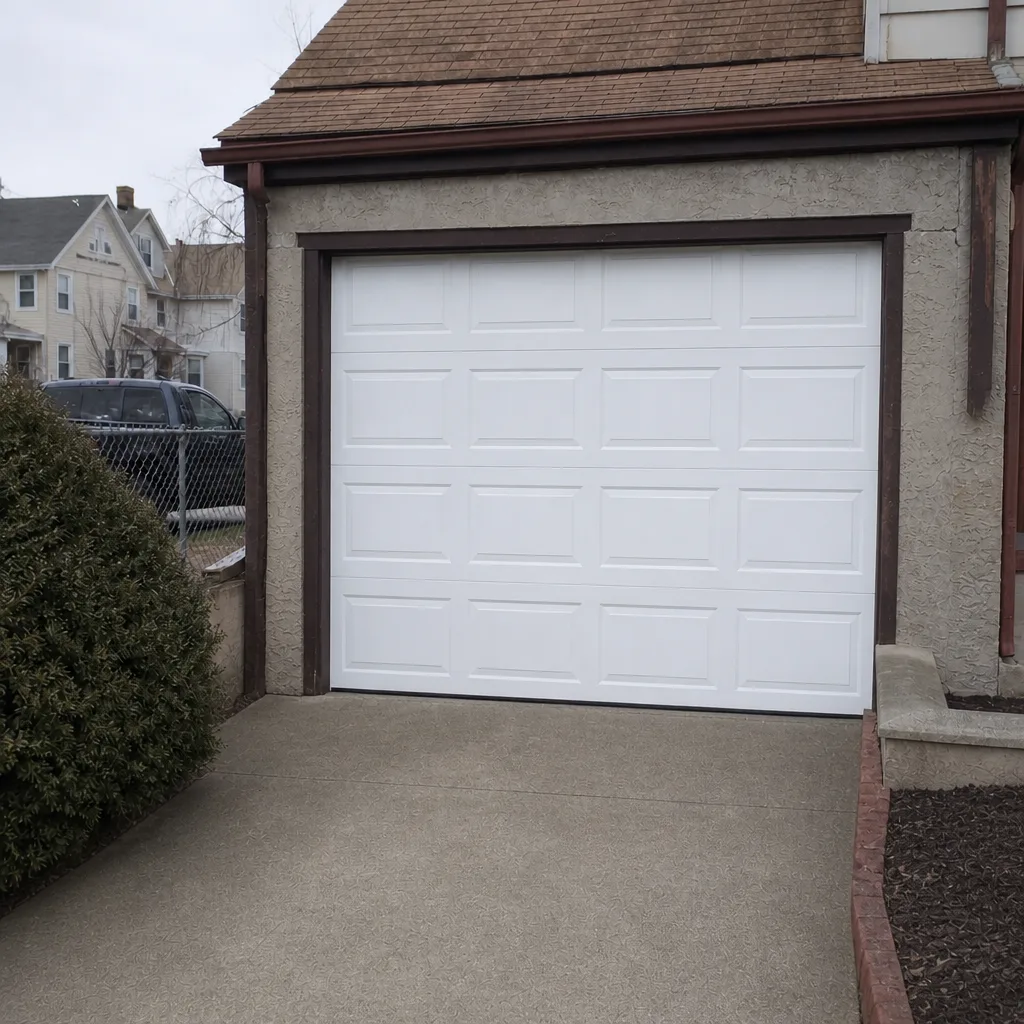 After
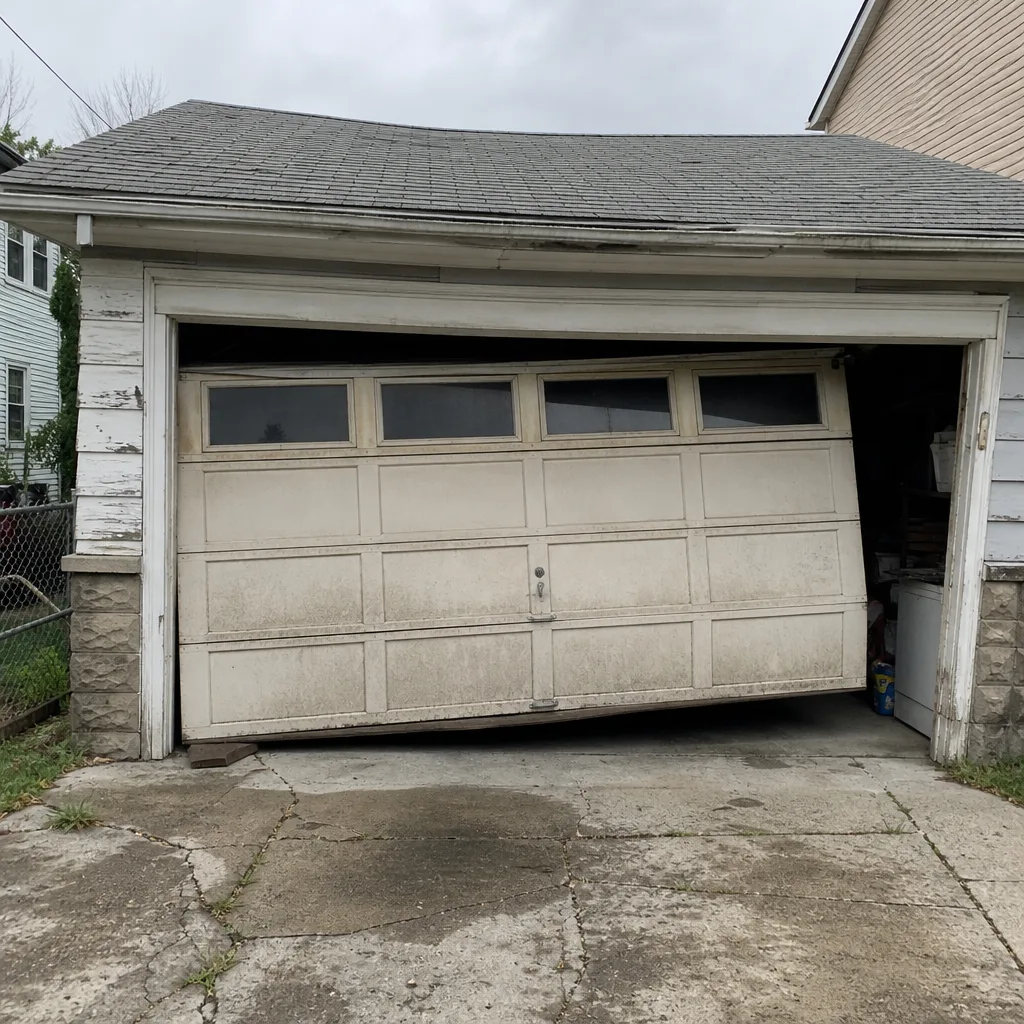 Before
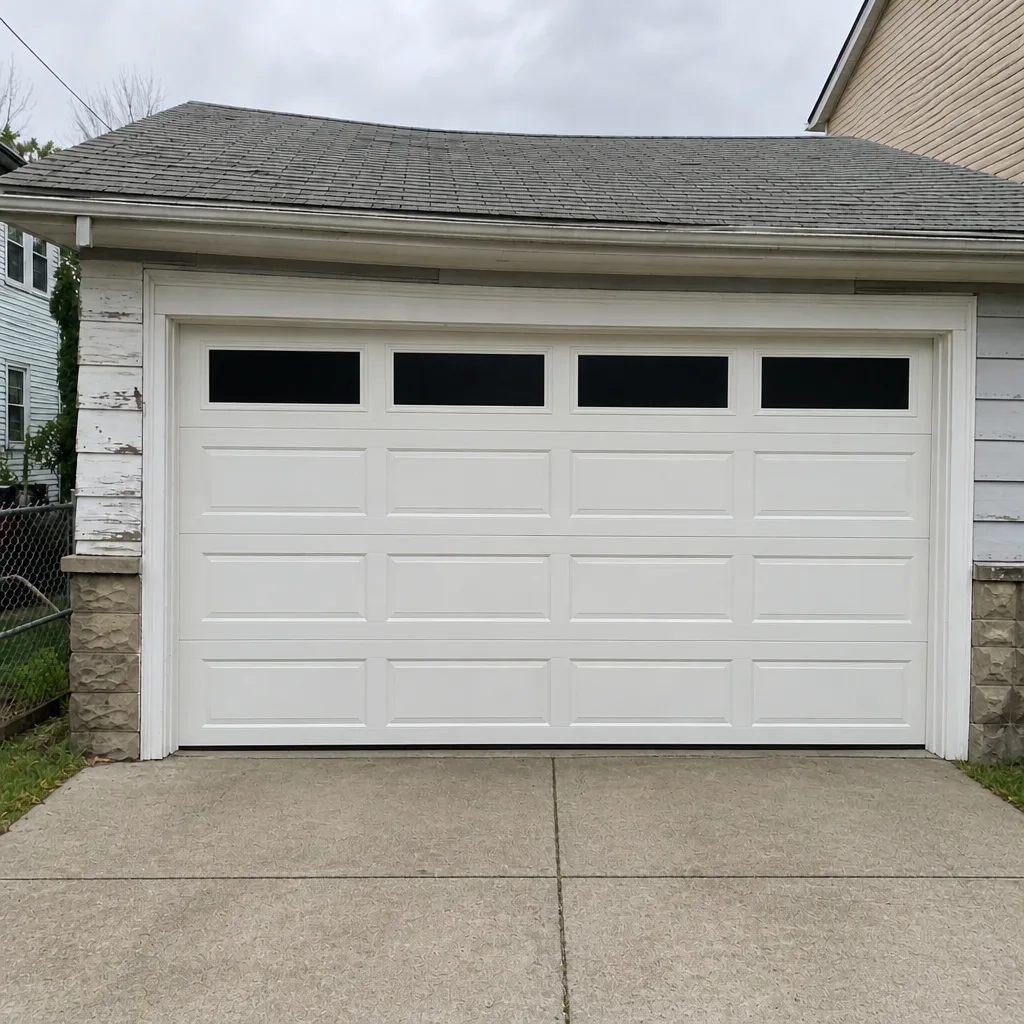 After
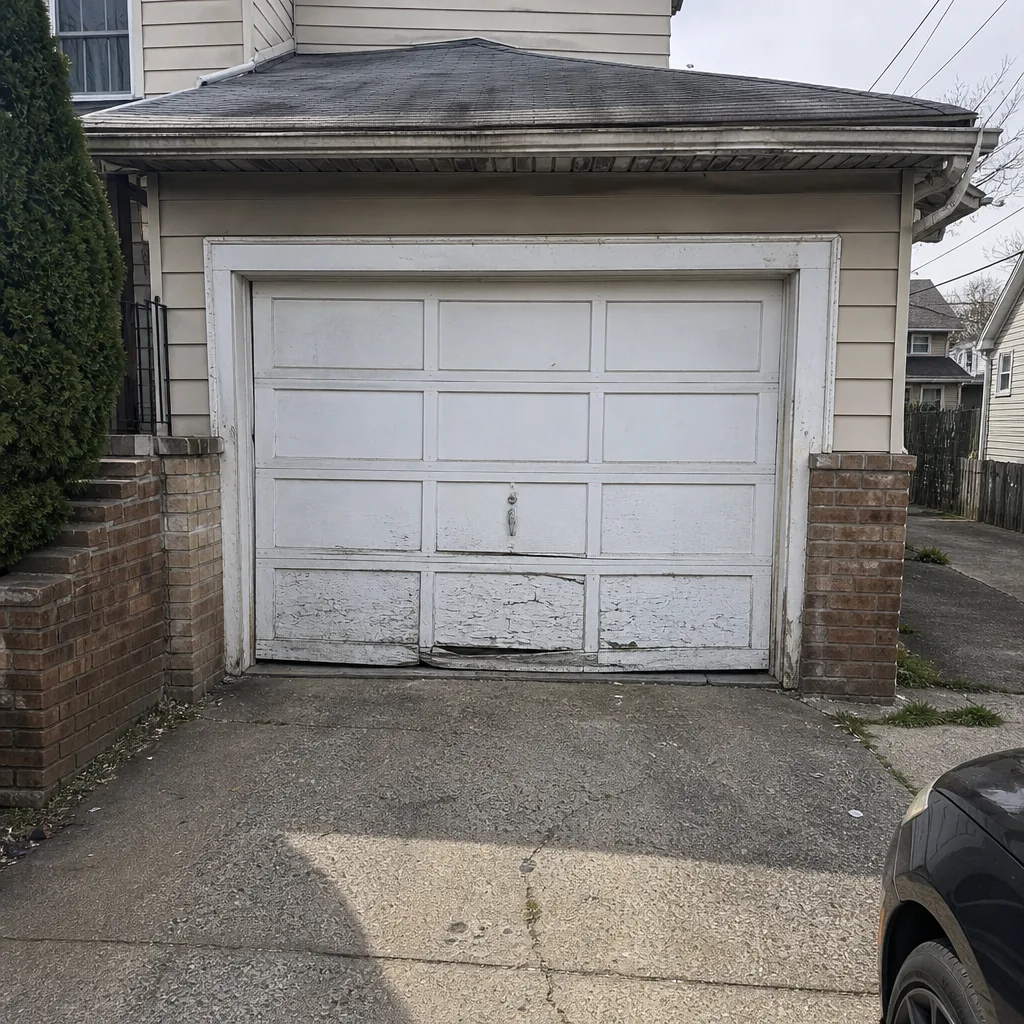 Before
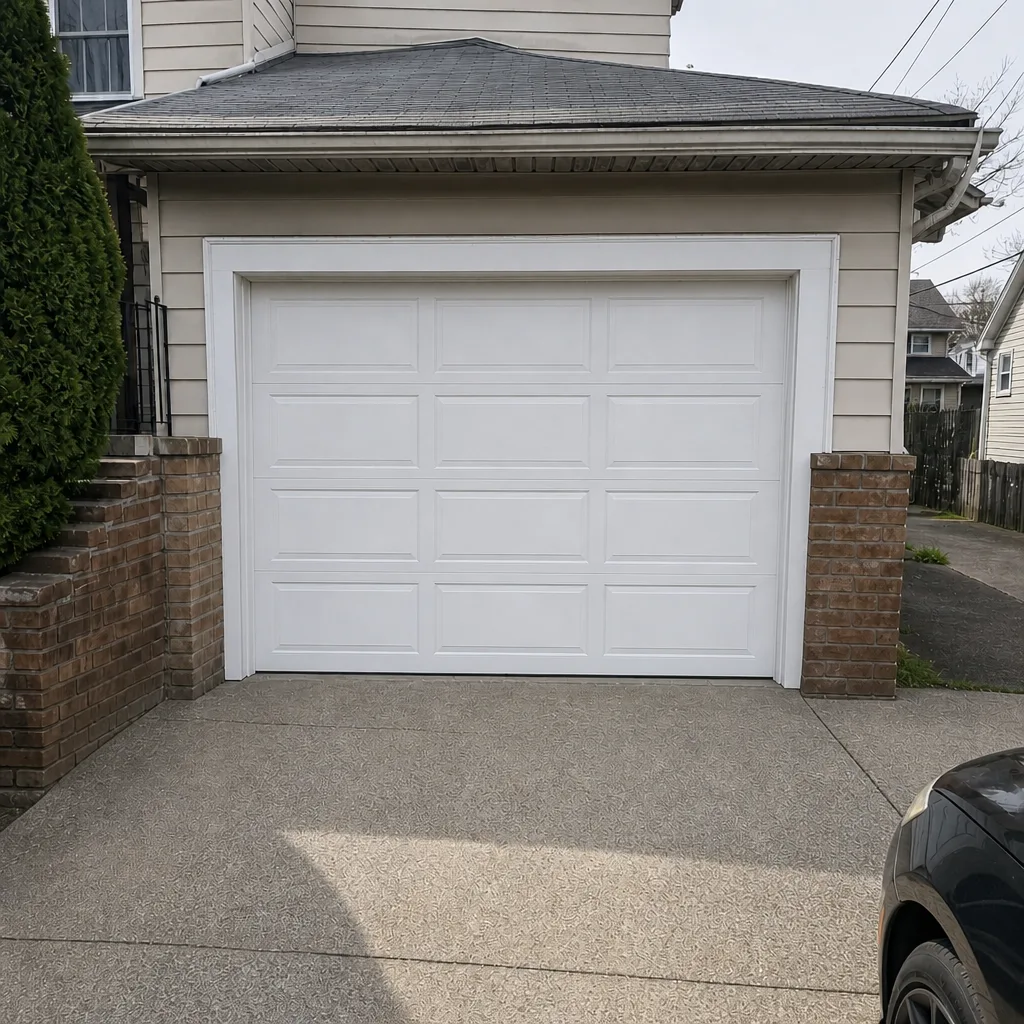 After
When to Call a Professional
Some garage door work you can handle yourself: replacing a photo-eye sensor, resetting a track that’s been nudged, or clearing an obstruction from the opener’s path. Most of it you can’t, and shouldn’t. Springs and cables under load are genuinely dangerous, and we don’t give step-by-step instructions for working on them because the risk to an untrained person is real. Electrical panel and dedicated circuit work is the same: it’s a licensed electrician’s job, and it’s part of what a permit-worthy opener installation involves. A door that’s off-track with the vehicle inside, a door that won’t close with the house exposed, a snapped spring with the door pinned down – those are situations where fixing it yourself can turn a repair into an injury. We work on LiftMaster, Chamberlain, Genie, and other major systems with technicians who have up to 13 years of experience. Paterson Garage Door Repair Pros offers free estimates in Paterson. Call (833) 800-4197. We answer 24/7. Fast dispatch from 7am to 7pm, Sunday through Friday.
Frequently Asked Questions
It depends on the scope. A like-for-like swap, same size and same type with no structural or electrical changes, often doesn’t require one, while a replacement that changes size, framing, spring type, or adds an opener generally does. Call the City of Paterson Construction Office with the specifics of your door before you order anything. They’ll tell you what the application needs.
Permit fees are set by the City of Paterson Construction Office and depend on the scope of the work, so get the current figure directly from the city. Don’t rely on what someone paid a few years ago. For the door itself, a professional estimate itemizes the permit if it’s part of the job, and the written estimate sets the final price before any work starts. Call (833) 800-4197 for a free estimate. We answer 24/7.
New Jersey requires licensed contractors for the construction work, and the electrical portion goes to a licensed electrician. A general handyman can’t pull the permit or sign off on the subcodes. For a full replacement, use a specialist who works with the major brands and knows the manufacturer’s installation instructions, because that’s what inspectors check against. If you’re not sure whether your job is a repair or a replacement, a free estimate will sort it out.
The buyer’s attorney will usually request open permits and permit history from the town, and an undocumented garage door replacement can surface as an unpermitted improvement. That can delay the sale, trigger a credit negotiation, or become a future owner’s problem. The fix is to have the situation reviewed and resolved through the Construction Office before you list. Getting it done early is much easier than doing it under contract.
A straight swap of an existing opener on an existing circuit is sometimes treated as a minor change; a new circuit or new wiring is electrical work with its own subcode. The safe approach is to ask the Construction Office how they want your specific installation handled. If a new circuit is involved, a licensed electrician handles it, and that step is part of the scope.
For repair work, same-day service is often available. A broken spring, a door that won’t close, an opener that’s failed, a door off its track: those are repair scenarios, and getting you back to a working door is the priority. Our technicians have up to 13 years of experience and work on the major brands, including Raynor, LiftMaster, and Chamberlain. Call (833) 800-4197. We answer 24/7. Fast dispatch from 7am to 7pm, Sunday through Friday. Estimates are free.
The Bottom Line
In Paterson, a garage door replacement usually needs a permit when it changes size, structure, or the electrical side of the installation, and a true like-for-like swap often doesn’t. The only reliable answer for your door comes from the City of Paterson Construction Office, and the time to call them is before you order the door. If you’re inheriting an unpermitted installation, resolve it now, while you’re not under contract on a sale. The permit and the inspection are how you keep your property record clean, your insurance position clean, and your door installed to a standard someone else verified. If you want the installation side handled by people who work with these systems every day, call us for a free estimate. Call (833) 800-4197. We answer 24/7. Fast dispatch from 7am to 7pm, Sunday through Friday.
Written by the team at Paterson Garage Door Repair Pros.