
Last updated November 21, 2026
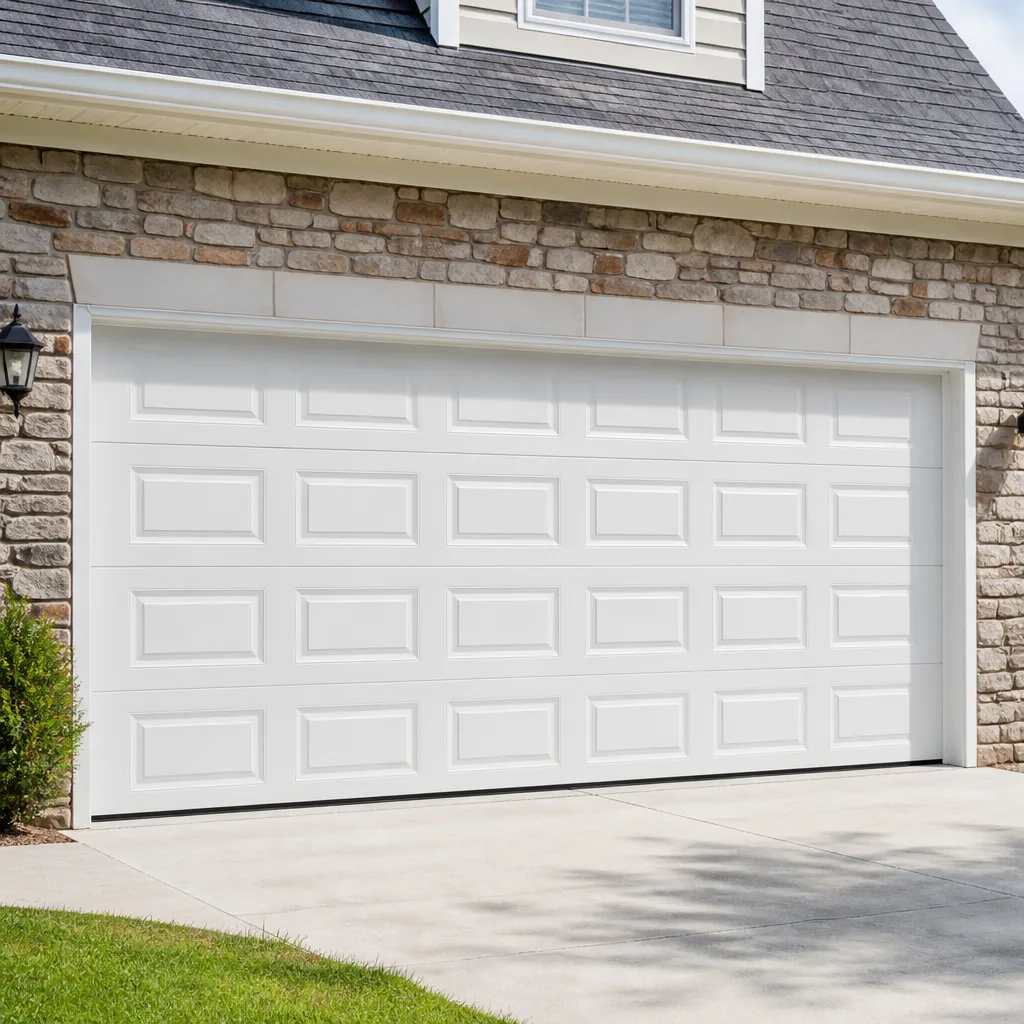 Raised-panel steel
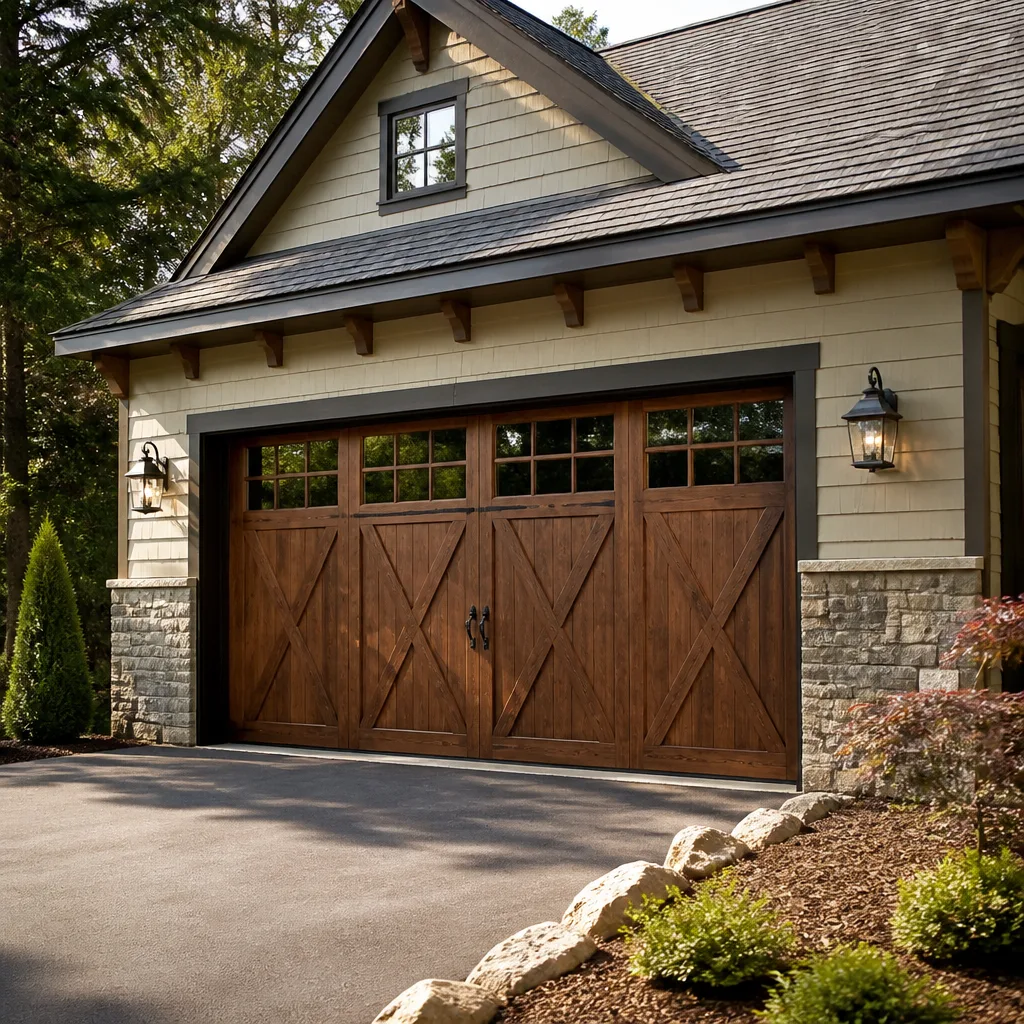 Carriage house
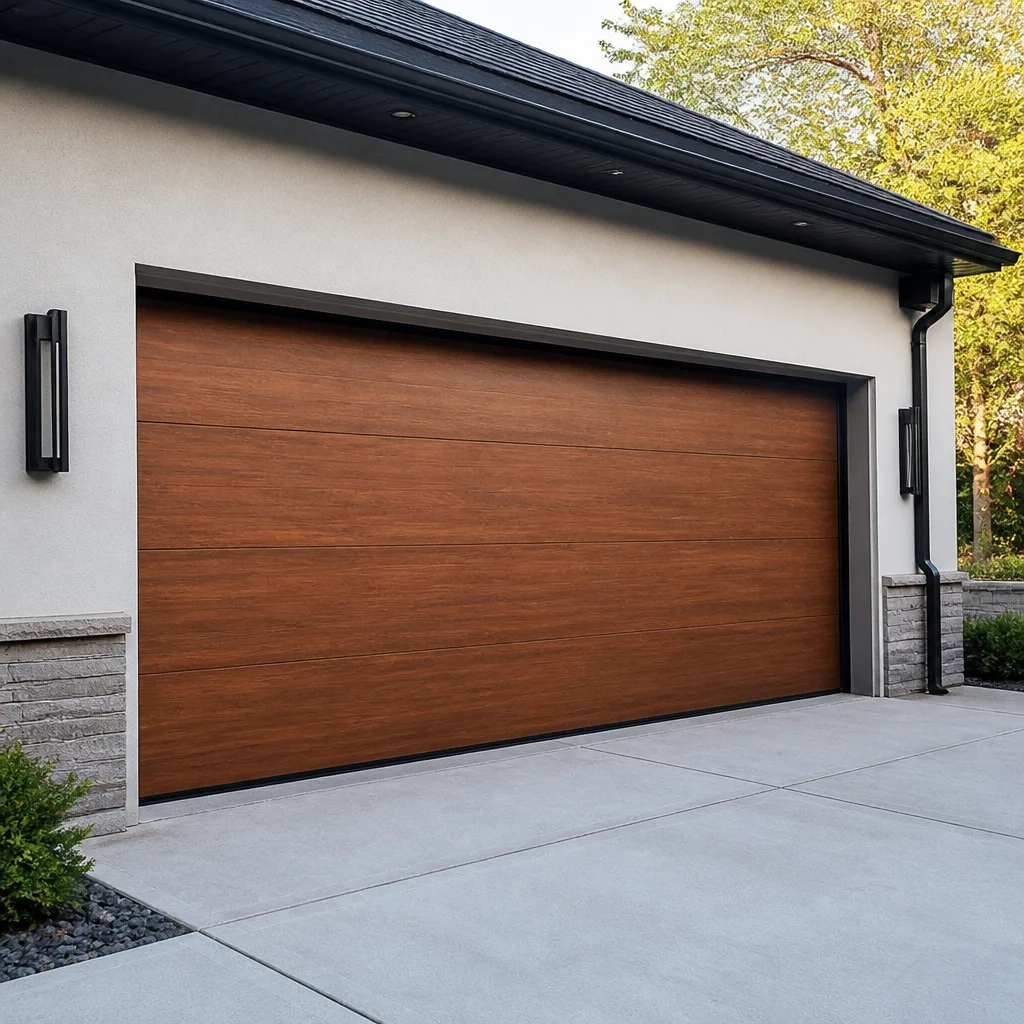 Modern flush
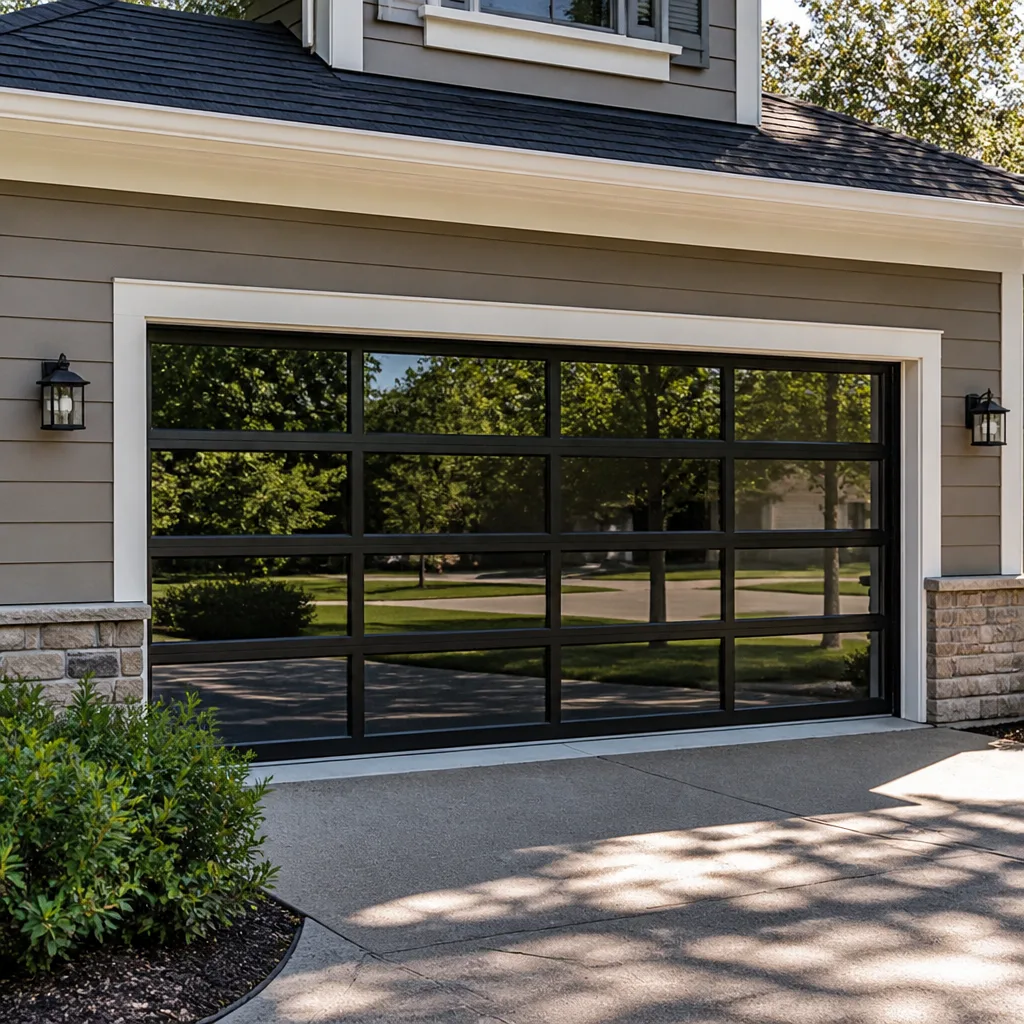 Full-view glass
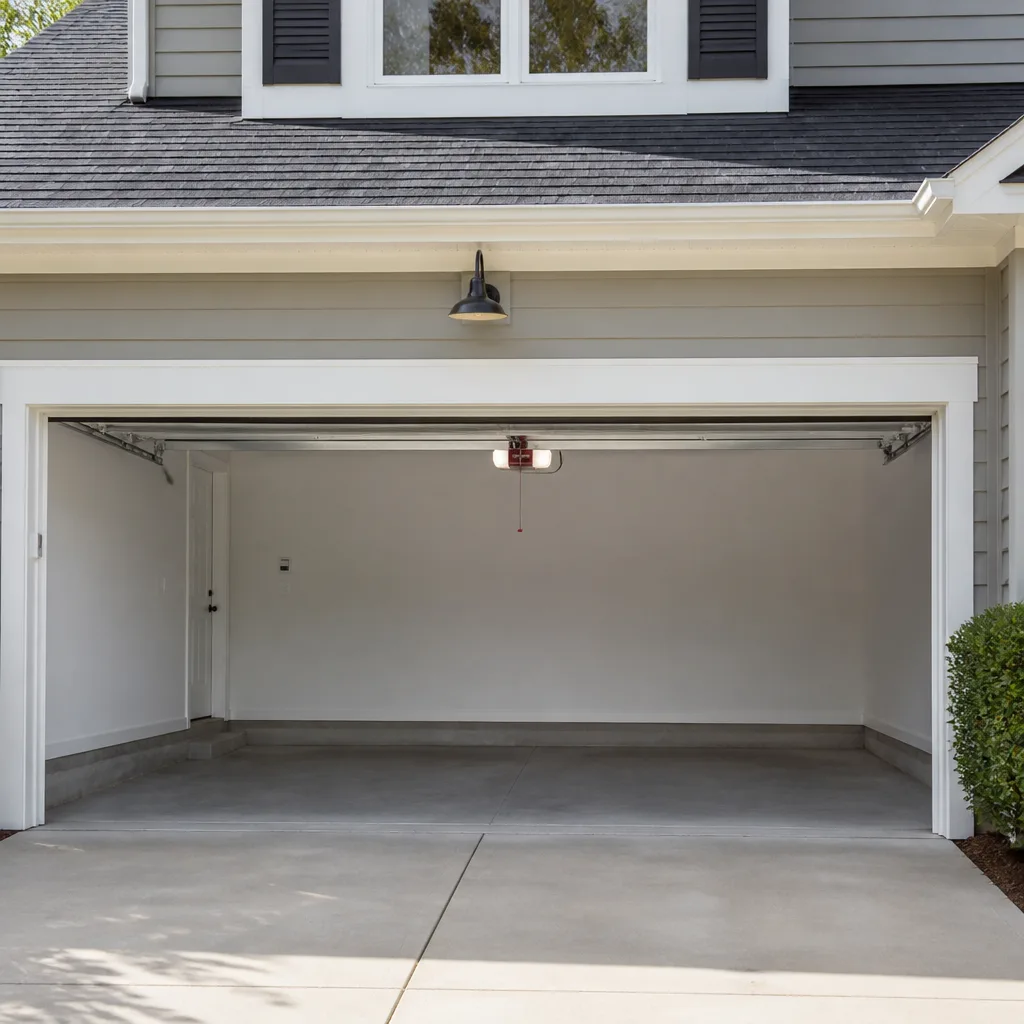 LiftMaster openers
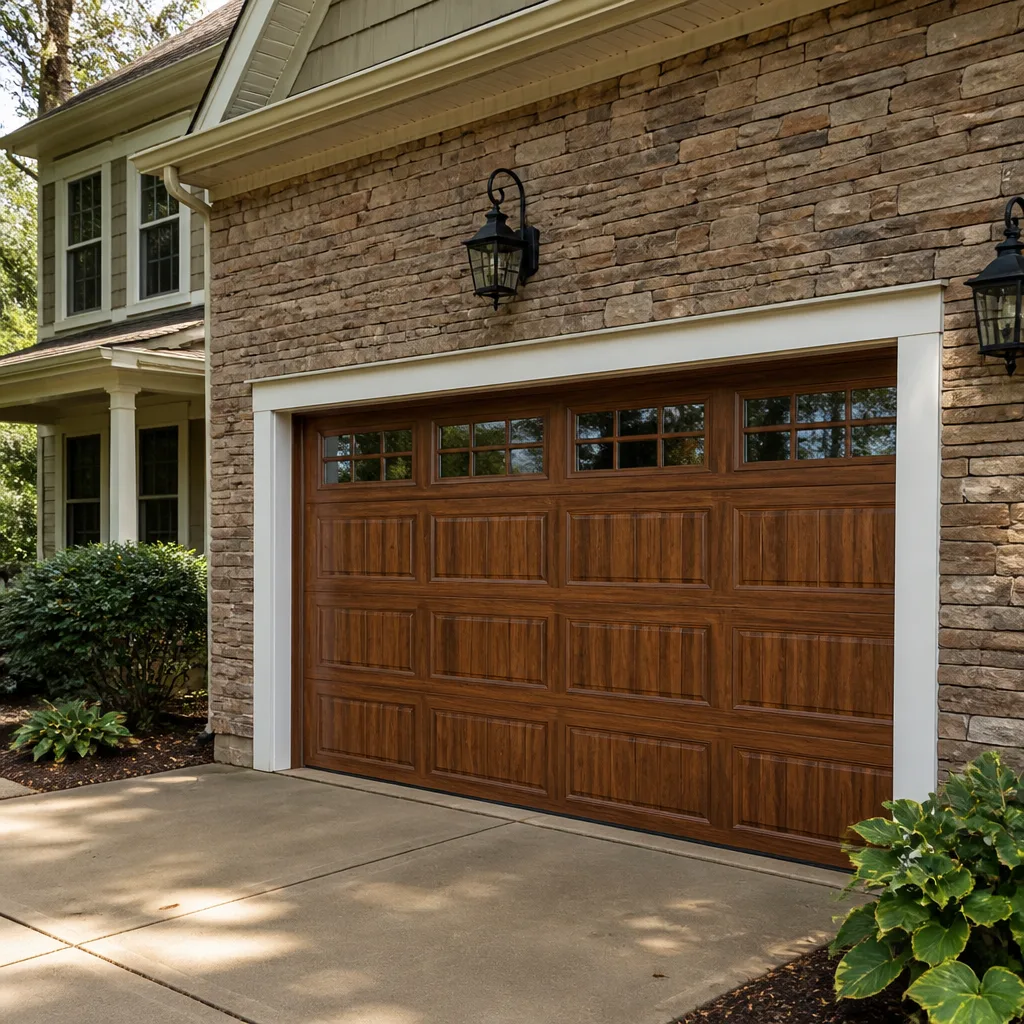 Chamberlain openers
Full 25-point door and opener safety check with every visit - springs, cables, rollers, tracks, and your LiftMaster or Chamberlain opener included
You get a price before we start. It does not change when the pro arrives.
Get your free estimateGarage Door Emergency Preparedness Guide for Paterson Homes
Most garage door emergencies in Paterson don’t look like emergencies at first. There’s no crash, no smoke, no drama. Just a torsion spring that snaps at 7 a.m. while the door is already up, and suddenly your car is trapped inside with a commute starting in twenty minutes. Here’s the part nobody tells you: the spring did its damage the instant it broke, and the next hour is when homeowners make it worse by forcing the door or pulling the wrong cord. This guide covers the failures Paterson homeowners actually face – spring breaks, cable snaps, opener failures, storm damage – and what to do in the first ten minutes, what to secure, and when to call. We’ll walk through manual release for the openers we see most here, storm prep, and the small kit that turns a crisis into an inconvenience.
Quick Answer
If your garage door fails in Paterson, don’t force it open or closed by hand, and don’t try to fix a broken spring or snapped cable yourself – those parts are under dangerous tension. Secure the door if it won’t close, park your car outside if the door is stuck open, and call a garage door specialist for same-day or emergency service. Most spring, cable, and opener failures can be resolved in a single visit, and the price should be quoted and agreed before any work starts.
Styles & brands we work with
- Raised-panel steel
- Carriage house
- Modern flush
- Full-view glass
- LiftMaster openers
- Chamberlain openers
Table of Contents
- Why Garage Doors Fail in Paterson, and When
- How to Manually Release Your Door (LiftMaster, Chamberlain, Genie)
- What to Do When the Red Cord Doesn’t Work
- How to Secure a Door That Won’t Close
- Storm Preparation and Wind Damage
- What “Emergency Service” Actually Means
- The Emergency Kit Every Paterson Garage Should Have
- Prevention: Catching Failures Before They Happen
Why Garage Doors Fail in Paterson, and When
Garage door failures in Paterson cluster around a few predictable triggers, and knowing them lets you prepare for the right scenario instead of a hypothetical one. The first is temperature swing. When the air drops sharply overnight, the steel in a torsion spring contracts and the metal becomes less forgiving. A spring that’s been holding up for a while, already carrying the full weight of the door every time you open it, can let go in a single cold snap. That’s why so many Paterson spring failures land in the early morning hours, right when someone is leaving for work.
The second trigger is old age in the parts that don’t get seen. Cables fray. Rollers flatten. Hinges wear. None of this announces itself until the day a component finally gives. Most homeowners learn the state of their hardware only when something breaks.
The third trigger is storm weather. Wind-driven debris, fallen branches, and blown rain all put stress on a door that’s already tired. A garage is one of the more exposed parts of a house, and Paterson’s dense, tree-lined neighborhoods mean branches come down close to homes more often than you’d guess.
Here’s the point: your preparation should focus on the scenarios most likely to happen to you – a spring break before the morning commute, an opener that quits with the door down, a door pushed off track by wind or a vehicle – not on movie-style disasters. When you understand the profile of what usually goes wrong, you can plan for the real thing. If you suspect your springs are near the end of their life, our garage door spring repair service can inspect them before they fail on their own schedule.
How to Manually Release Your Door (LiftMaster, Chamberlain, Genie)
Every automatic garage door opener in the United States has a manual release, and it’s the single most important thing to know before an emergency. It lets you disconnect the door from the opener motor so you can lift it by hand. The release is a red T-handle attached to a cord that hangs from the trolley – the carriage that runs along the rail above your door. When your opener won’t lift the door, this is your override.
The procedure is the same for the three openers we see most in Paterson homes – LiftMaster, Chamberlain, and Genie – because they all use the same basic trolley-and-release design.
- Make sure the door is fully closed before you pull the cord. If the door is partly open, it will come down fast and hard once released. If it’s already up and stuck, prop it or hold it before you release the trolley.
- Pull the red handle straight down and toward the door – a firm, steady tug, not a sharp yank. You’re disengaging the trolley from the drive.
- Lift the door by hand slowly, using the bottom section for control. A healthy door with good springs is manageable; a door with a broken spring will be extremely heavy.
- Let it rest fully open or fully closed. Never leave it half open on the manual release – gravity will win when you’re not looking.
- Re-engage before driving off: with the door closed, pull the cord once more and run the opener a full cycle so the trolley reconnects. Test it a couple of times.
One caveat that matters: the manual release only helps if the door itself is sound. If a spring is broken or a cable has snapped, the door is no longer balanced, and hand-lifting it can send it crashing or injure you. In that case the release gets you nowhere – you need a technician, not a workaround.
What to Do When the Red Cord Doesn’t Work
Sometimes you pull the cord and nothing happens. The trolley is stuck, the release is jammed, or the opener has seized with the door down. Don’t keep yanking – that’s how the release arm bends and the cord snaps. Here’s the safe sequence.
- Check that the door is fully closed. Most releases only disengage cleanly when the door is at rest. If the door is partly up, bring it down first if it’s safe, or prop it before trying again.
- Look at the trolley. If it’s jammed against the stop bolt at the end of the rail, the door can’t disconnect. Don’t force it – this usually signals a limit or travel setting problem that a technician should reset.
- Test the opener’s power. If the opener is dead, the trolley may be locked in place electrically. Check the breaker and the wall outlet. If the outlet has a GFCI reset button, press it.
- Use a second person. One person holds the door’s weight while the other works the release. Never attempt a heavy door alone if it won’t disconnect cleanly.
If the release still won’t cooperate, stop. A stubborn trolley or a jammed opener is a repair problem, and forcing it risks damage to the rail, the carriage, and the door panels. Our garage door opener repair service handles seized trolleys, dead logic boards, and force-setting failures across all the major brands – it’s one of the most common calls we get from Paterson homeowners in a bind.
How to Secure a Door That Won’t Close
A door stuck open after a cable snap or spring break is a security problem first and a repair problem second. The goal is to close the opening without making the damage worse. If a spring is broken or a cable is snapped, the door is unbalanced – a single strong gust or a slip can bring it down hard. Don’t try to manually close a door in that state.
Instead, block and secure the opening:
- Barricade the gap. A heavy piece of plywood or a brace across the opening keeps the door from dropping further and blocks the view into the garage.
- Lock the door’s track. Vice grips clamped onto the vertical track below a roller stop the door from sliding down the track. Two, one per side, is standard practice.
- Move valuables inside. If the opening can’t fully close, bring power tools, bikes, and anything worth taking into the house until the door is fixed.
- Call it in the same day rather than living with an open garage. An exposed opening in Paterson is a genuine security exposure, not something to leave until next week.
The one exception where a door can sometimes be lowered: if the door is sound and level and the opener simply won’t run, you may be able to release the trolley and lower it by hand, then lock the door from the inside. If the door fights you at all, stop – call a specialist instead. We can work with your insurer if storm damage is involved, and we’ll tell you plainly whether the door needs repair or replacement.
Storm Preparation and Wind Damage
Paterson sees its share of heavy weather, and garage doors are one of the most exposed surfaces on a home. A little preparation before the storm season saves a lot of scrambling when the wind is already up.
Before a named storm:
- Test the door’s balance and alignment. A door that hesitates, shudders, or doesn’t sit flush is a door that will struggle in wind. Get it adjusted before the season, not after.
- Clear the area above and beside the garage. Trim back branches that overhang the door. Remove loose objects from near the opening that wind can pick up and drive into the panels.
- Check the weatherstripping. A worn bottom seal lets driven rain in during wind. If it’s cracked or loose, it should be replaced.
- Park the car inside if you can, but know your release. If a power outage hits and the opener won’t run, you’ll need the manual release to get the car back out. Test it before the storm, not during it.
After wind or debris damage: inspect the door from a safe distance first. Don’t open it if a panel is bent, a track is bowed, or the door isn’t sitting level – operating it can make the damage worse. Clear debris from the opening, check for dents in the panels that interfere with travel, and note any popping, scraping, or uneven movement. If the door is off track or the panels are bent, that’s a technician’s call. Hail is uncommon in this part of New Jersey, so most local damage is wind, branch impact, and water intrusion rather than hail dents.
What “Emergency Service” Actually Means
True emergency service means a garage door specialist who can come out and get your door working rather than refer you to someone else. Many garage door and general repair companies don’t offer it, or they hand the job to a subcontractor who may not be available when you need them. When we say emergency service, that’s what we mean: a door that’s leaving your home exposed or trapping your vehicle gets handled as a priority.
Here’s how to know what qualifies as an emergency versus what can wait:
- Call right away (emergency): door that won’t close and leaves the garage exposed, a broken spring with the door pinned at an awkward position, a door off track or leaning, an opener failure that has the car trapped inside before a commute or appointment.
- Can usually wait until the next available slot: a noisy door that still operates, a remote that needs reprogramming, a photo-eye sensor that needs cleaning or alignment, a worn but functioning bottom seal, a cosmetic dent that doesn’t affect travel.
On timing: call us at (833) 800-4197 and we answer 24/7. A call outside dispatch hours is booked into the next opening, Sunday through Friday, 7am to 7pm. Same-day service is available for most urgent repairs. The price is quoted and agreed before any work starts, so you know the number before a technician touches the door.
What we don’t do is promise around-the-clock crews. What we do is make sure the phone is always answered and that genuine emergencies get booked as the next priority. That’s a real, honest expectation – and a door that failed at 11 p.m. gets resolved as soon as the next dispatch slot opens, not passed along to someone else.
The Emergency Kit Every Paterson Garage Should Have
A small, cheap kit in the garage turns most garage door emergencies into a manageable hour instead of a full-blown crisis. Put these together in a single spot and make sure everyone in the house knows where it is.
- A flashlight with fresh batteries, kept where you can reach it when the power is out.
- Vice grips for clamping the track when a door won’t close.
- A sturdy plywood panel sized to cover the opening if a door has to be blocked.
- Spare photo-eye sensor batteries if your opener’s sensors use them – a dead sensor is one of the most common “the door won’t close” calls.
- The garage door’s manual key override if you have an exterior keyed release or a side door.
- Our number written on a card in the garage: (833) 800-4197. We answer 24/7, and calls outside dispatch hours are booked into the next opening, Sunday through Friday, 7am to 7pm.
That last item matters more than it sounds. In an emergency, the hardest part is often figuring out who to call at the moment your car is trapped and your phone is already in your hand. Having the number in the garage means you skip the scramble.
Prevention: Catching Failures Before They Happen
The best emergency prep is a door that never becomes an emergency. Most of the failures we see at Paterson homes were visible in advance to someone who knew what to look for. You don’t need to be that person – you just need to know the signs and act on them.
- Listen to the door. A steady, quiet hum is normal. A bang, a grind, or a shudder is not. Any new noise is worth a look.
- Watch the balance. Disconnect the opener and lift the door halfway. It should stay there on its own. If it falls or rises, the springs need attention.
- Look at the cables. Frayed strands or a cable hanging slack means a break is on the way.
- Check the rollers and hinges for wear. Flattened rollers, missing screws, or loose hinges all shorten the life of the rest of the system.
- Watch the safety sensors. If you have to jiggle the door or the opener sometimes refuses to close, the sensors are misaligned or failing.
When any of these appear, schedule a garage door repair before the part fails at the worst possible moment. A door that’s had its springs, cables, and rollers inspected is far less likely to strand a car at 7 a.m. Our technicians have up to 13 years of experience and work with the major brands Paterson homes carry – LiftMaster, Chamberlain, Genie, Clopay, Amarr, Wayne Dalton, Craftsman, and Raynor – so the repair matches the equipment you actually have.
Common Mistakes to Avoid
- Forcing a door with a broken spring. When a spring breaks, the door is no longer balanced, and hand-lifting it can send it crashing down or injure you. Never force a door in that state – call a specialist.
- Pulling the manual release with the door partly up. Releasing the trolley with the door off the ground lets gravity take over. Always check that the door is fully closed before you pull the cord.
- Trying to fix a snapped cable or spring yourself. These parts are under serious tension. This is one of the most dangerous DIY repairs a homeowner can attempt, and it’s a job that requires specialized tools and safety training.
- Ignoring a door that won’t close. Leaving a garage open in Paterson overnight is a security exposure. Secure the opening the same day rather than waiting for a convenient repair slot.
- Assuming all opener brands work the same. A LiftMaster, Genie, Wayne Dalton, or Craftsman system each has its own logic and components. Generic fixes can leave the door in worse shape – use a technician who knows your brand.
- Waiting for a strange noise to “go away.” A grind, pop, or shudder is the door telling you a part is failing. Catching it early is almost always a smaller repair than catching it after a break.
- Disconnecting the door and leaving it disconnected. A door left on manual release is not secured. Get it re-engaged or get it repaired – don’t leave it hanging.
See the difference
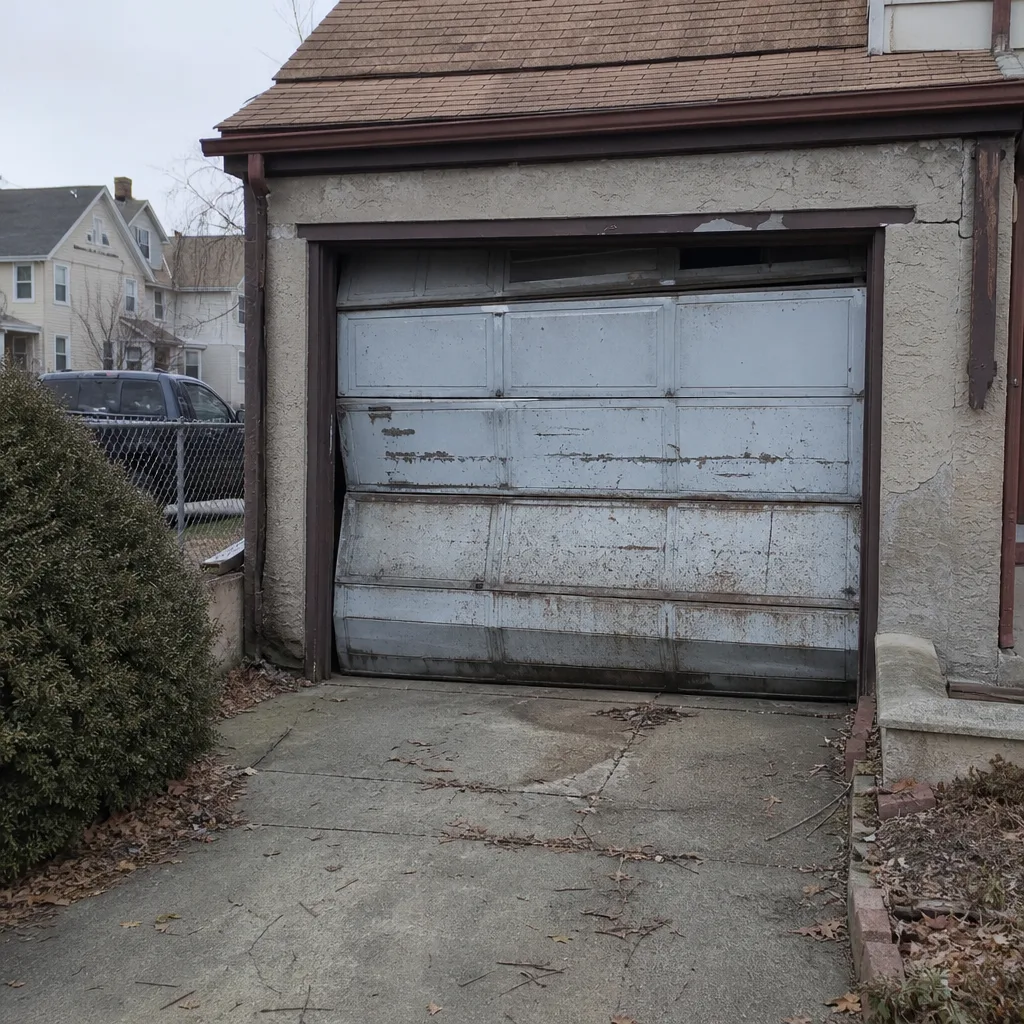 Before
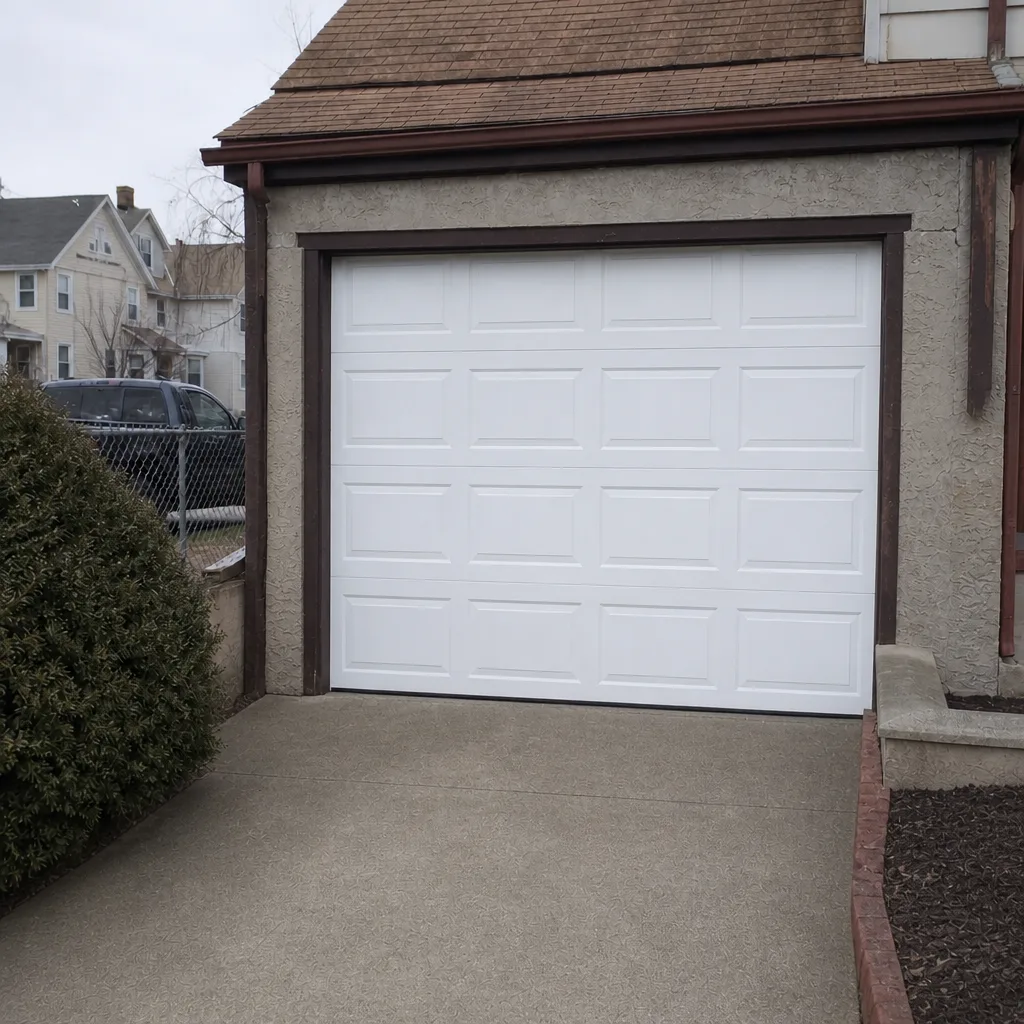 After
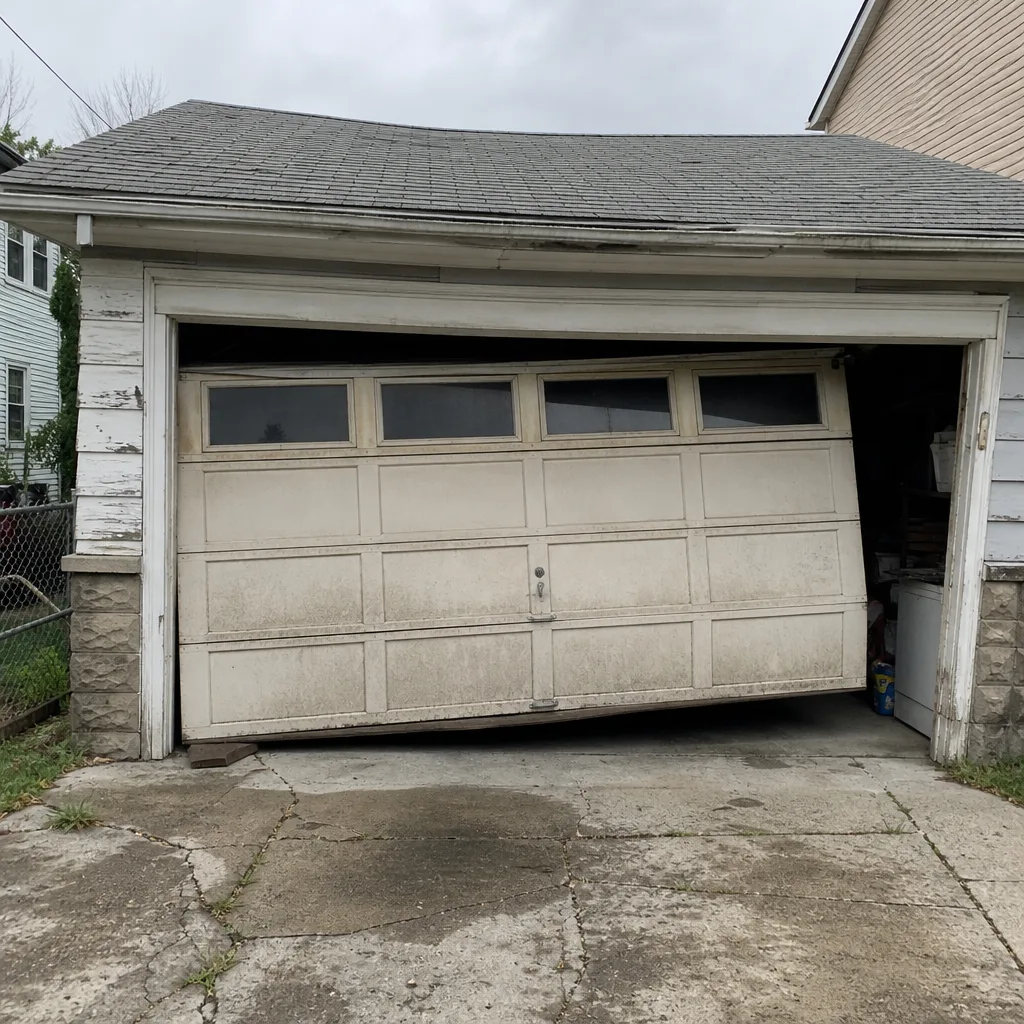 Before
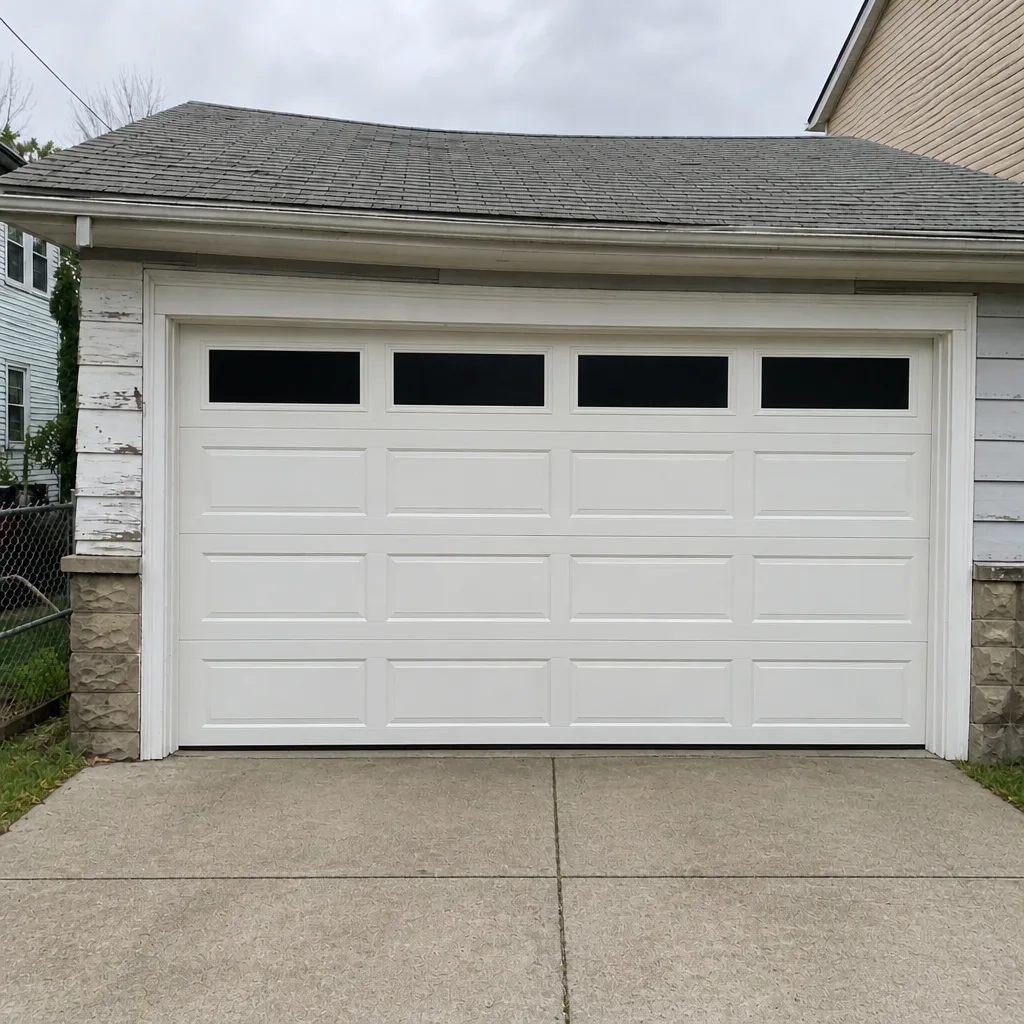 After
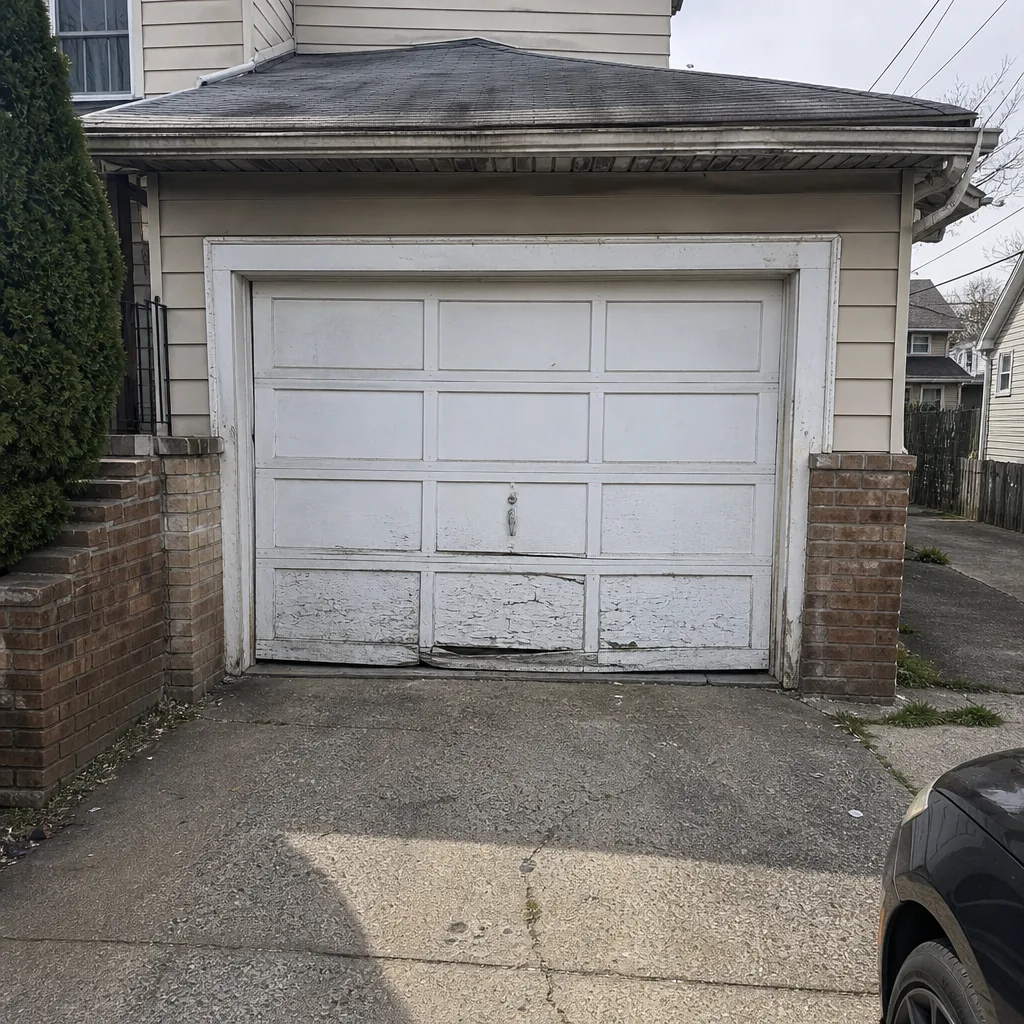 Before
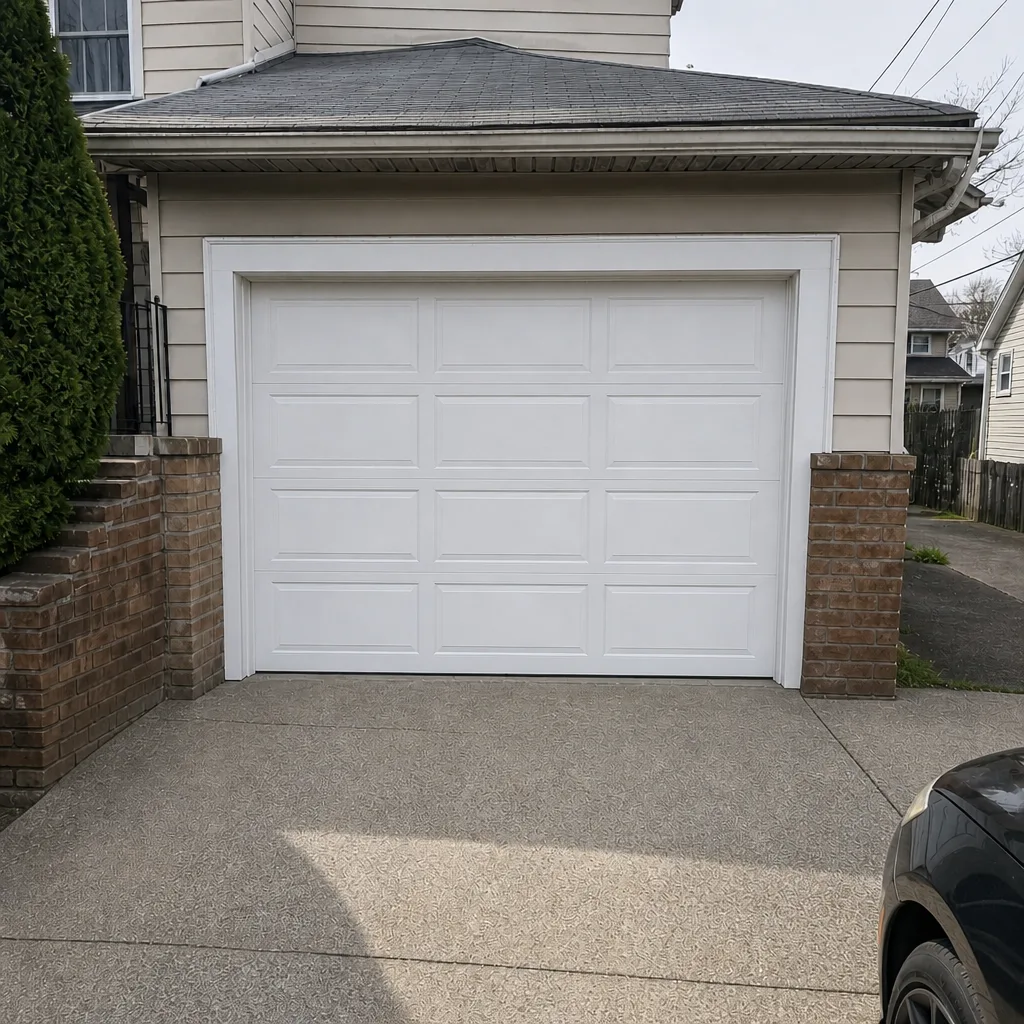 After
When to Call a Professional
Call a specialist when the problem involves springs, cables, or tracks, when the door won’t close and leaves your home exposed, when the opener has failed and the manual release won’t disengage, or when the door is off track or visibly bent. These are the cases where forcing the door does real damage and where the components involved can cause serious injury. A trained technician resolves most of them in a single visit.
As a full-service garage door specialist, Paterson Garage Door Repair Pros offers free estimates in Paterson – call (833) 800-4197. We handle garage door spring repair, opener failures, and emergency service, and we work on the major brands including LiftMaster, Chamberlain, Wayne Dalton, and Raynor. The price is quoted and agreed before any work starts.
Frequently Asked Questions
Yes, if the door itself is sound. Pull the red manual release cord to disconnect the trolley from the opener, then lift the door by hand from the bottom section. If the door feels extremely heavy or won’t stay open, a spring is likely broken – stop and call a technician.
Spring repair pricing depends on whether it’s a single spring or a matched pair, the door’s size, and the spring type. A matched pair is usually replaced together because the two springs wear at the same rate. Call (833) 800-4197 for a free estimate – the written quote sets the final price and it’s agreed before any work starts.
Same-day service is available for most urgent repairs. Call (833) 800-4197 – we answer 24/7. A call outside dispatch hours is booked into the next opening, Sunday through Friday, 7am to 7pm. Meanwhile, secure the opening with a brace across the door or vice grips on the track.
No. The price is quoted and agreed before any work starts, based on what we find when we look at the door. If the repair turns out to involve something we couldn’t see by phone, we discuss it with you and get agreement before proceeding – never an invoice you didn’t expect.
The local professionals we connect you with are state-licensed and insured as New Jersey requires. Our technicians have up to 13 years of experience and work with the major garage door and opener brands, including LiftMaster, Chamberlain, Genie, Clopay, Amarr, Wayne Dalton, Craftsman, and Raynor.
Don’t force it closed if a spring or cable is broken – the door could crash. Brace the opening with plywood, clamp the track with vice grips, and move valuables inside. Call (833) 800-4197 as soon as you can and we’ll book the repair as a priority. Hail is uncommon in this part of New Jersey, so most local storm damage is wind and branch impact rather than hail.
The Bottom Line
Garage door emergencies in Paterson have a predictable shape: a spring lets go before the morning commute, an opener quits with the door down, a storm pushes a door off track. The preparation is simple. Know where your manual release is and how to use it. Keep a small kit in the garage with vice grips, a flashlight, and our number. Secure an open door the same day instead of living with the exposure. And don’t force a door with a broken spring or cable – that’s the moment the damage gets worse. Get ahead of failures with a quick inspection, and know who to call when something finally breaks. If your door is misbehaving right now, the fastest fix is a free estimate. Call us at (833) 800-4197 – we answer 24/7, with fast dispatch from 7am to 7pm, Sunday through Friday, and you’ll know the price before any work starts. For the full range of what we handle, start at Paterson Garage Door Repair Pros.
Written by the team at Paterson Garage Door Repair Pros.