
Last updated November 21, 2026
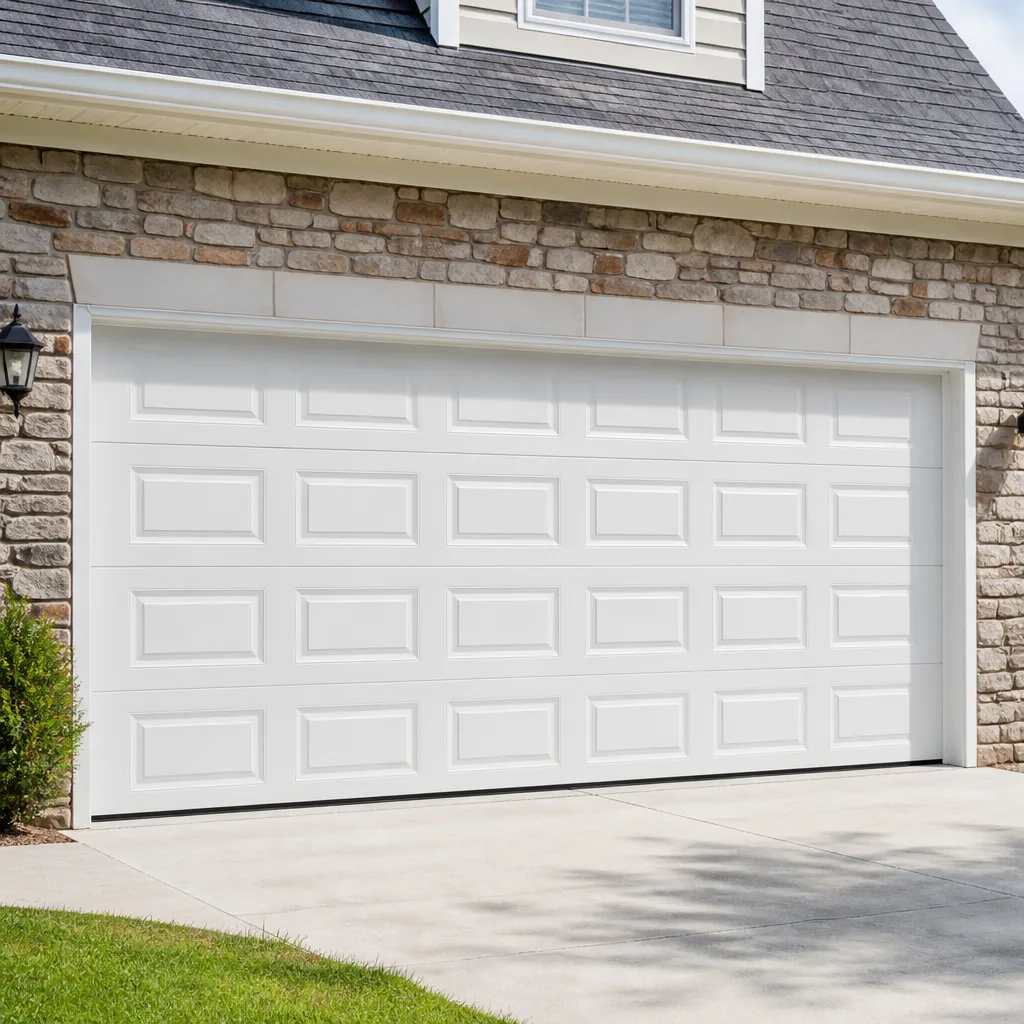 Raised-panel steel
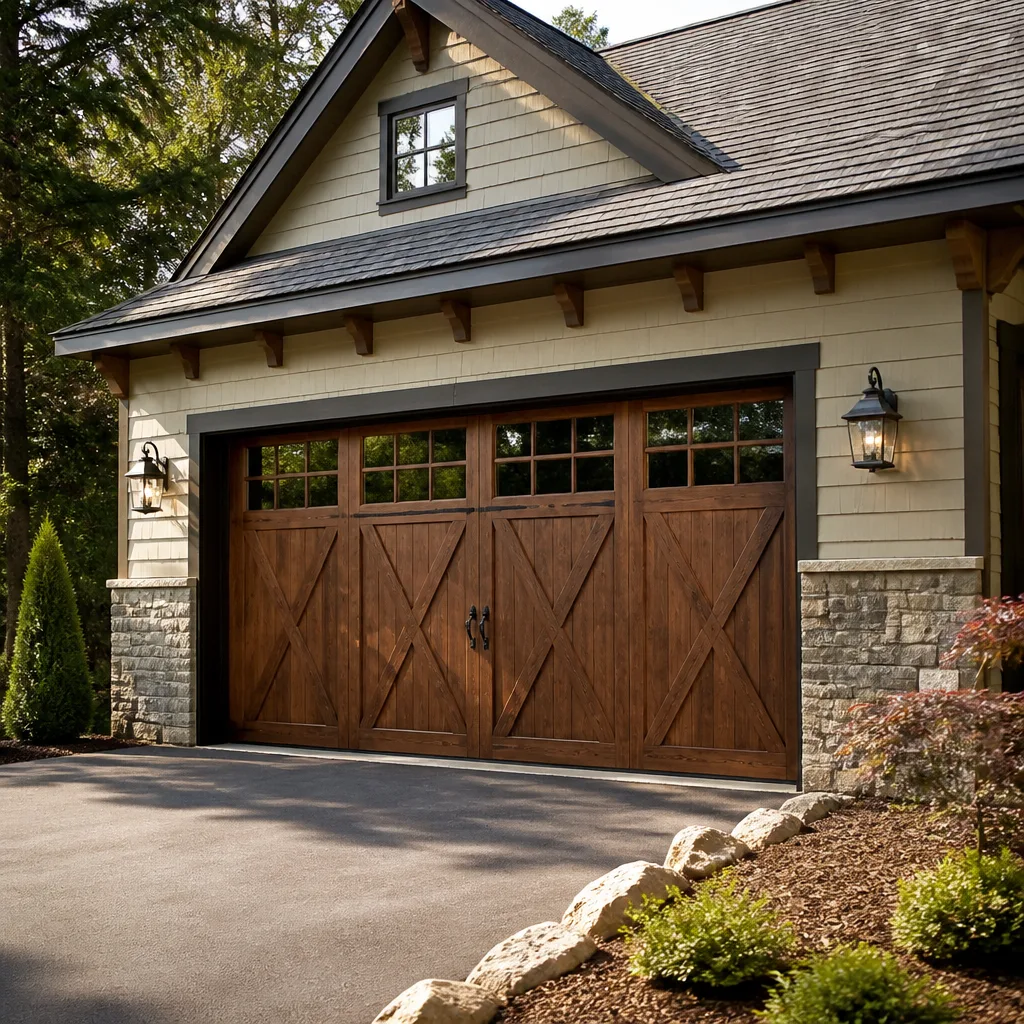 Carriage house
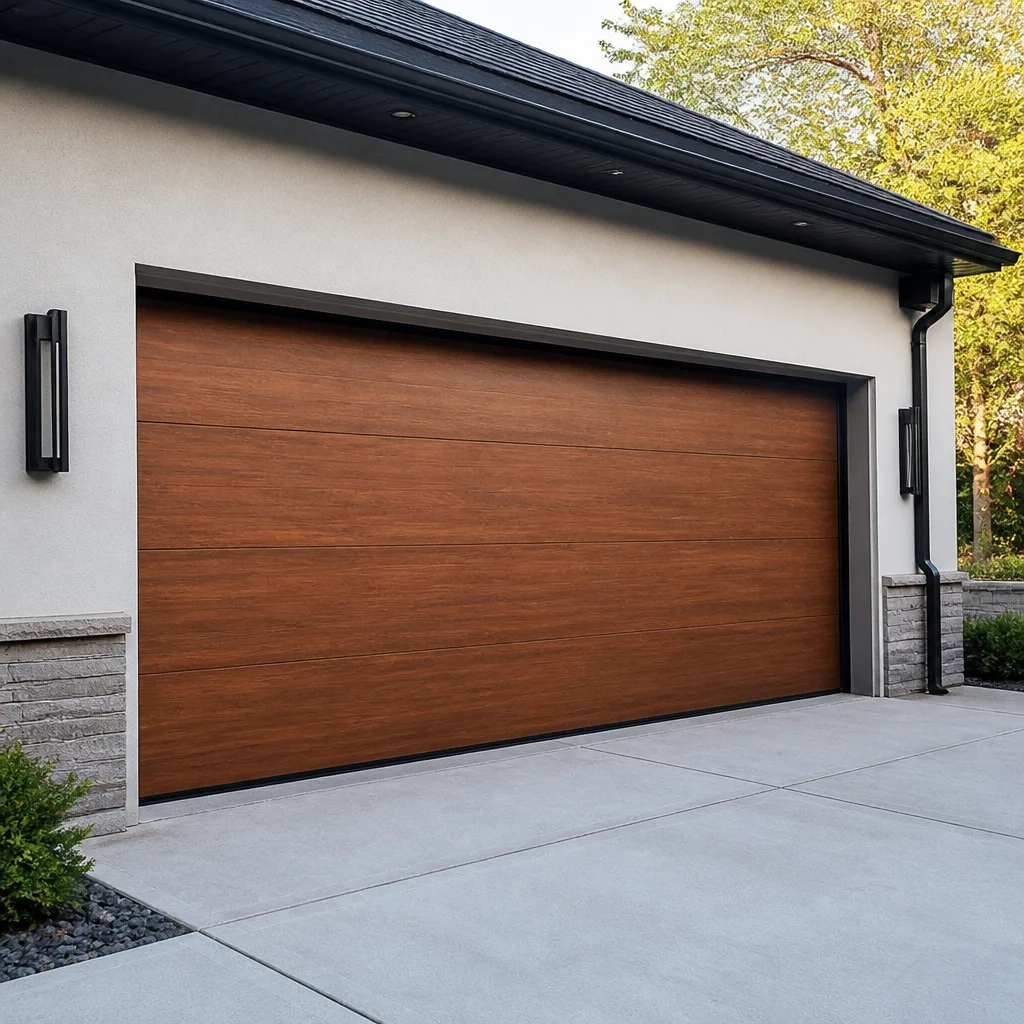 Modern flush
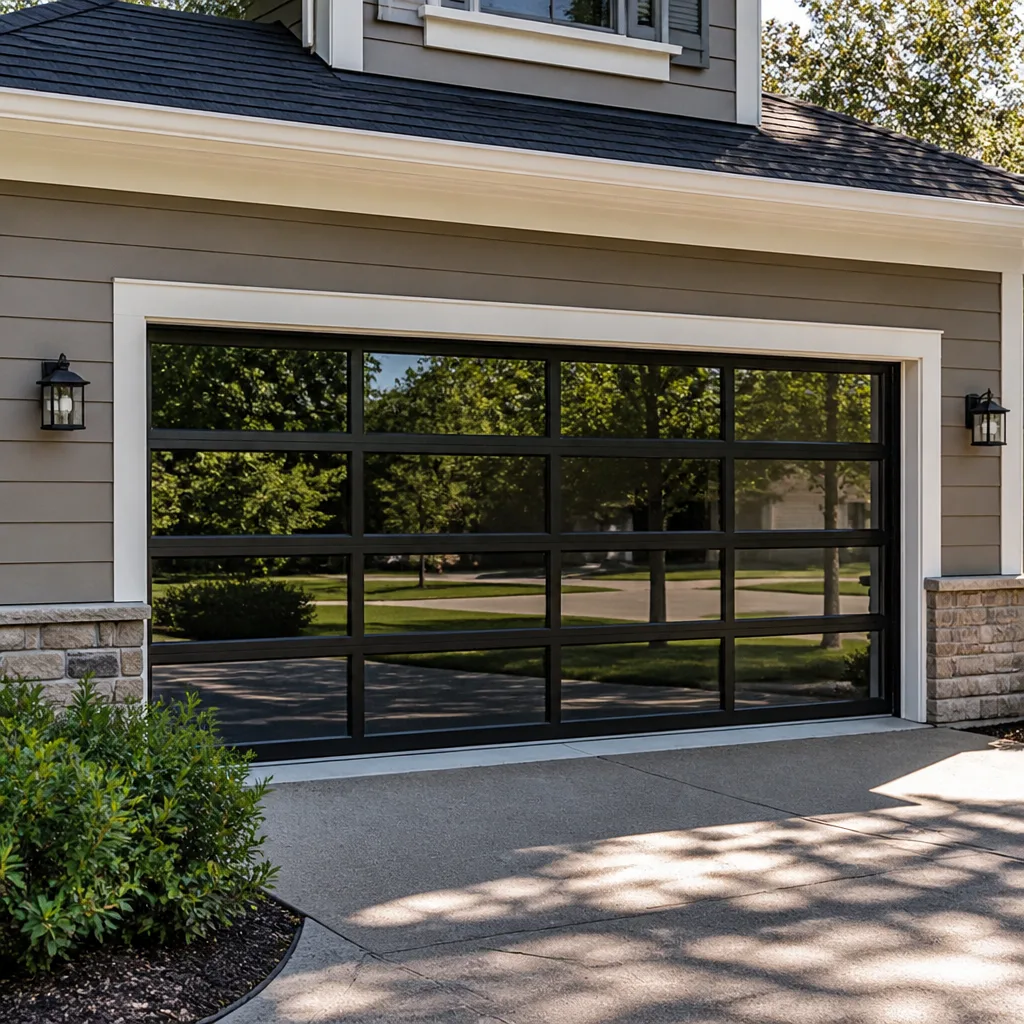 Full-view glass
 LiftMaster openers
 Chamberlain openers
Full 25-point door and opener safety check with every visit - springs, cables, rollers, tracks, and your LiftMaster or Chamberlain opener included
You get a price before we start. It does not change when the pro arrives.
Get your free estimateDIY vs Professional Garage Door: The Paterson Homeowner’s Decision Guide
Most garage door advice splits into two useless camps: “never touch it” and “you can fix anything with a YouTube video.” Neither helps a homeowner standing in a Paterson driveway with a door that won’t close. The truth is that garage door work has a clear dividing line, and it isn’t about confidence or mechanical talent. It’s about stored energy. Some jobs are genuinely safe for a careful homeowner with a Saturday to spare. Others can hurt you the instant a tool slips, no matter how skilled you are. This guide draws that line job by job, so you know what to take on, what to leave alone, and what a mistake actually costs.
Quick Answer
About half of common garage door tasks are reasonable DIY projects for a mechanically confident homeowner: weather seals, roller swaps on extension spring doors, keypad programming, and resetting the manual release. The other half involve springs, cables, and bottom brackets under extreme tension, and those are professional work regardless of your skill level, because the danger is physics rather than technique. If your door has torsion springs, a snapped cable, or a bent track, call a specialist.
Styles & brands we work with
- Raised-panel steel
- Carriage house
- Modern flush
- Full-view glass
- LiftMaster openers
- Chamberlain openers
Table of Contents
- Why the DIY Question Isn’t About Skill
- The Hard No-DIY List: Springs, Cables, and Bottom Brackets
- What You Can Actually Do Yourself
- How to Read Your Own Door Setup
- What a DIY Mistake Really Costs
- First-Time Homeowner: That 1970s Extension Spring Door
- What Paterson Weather Does to Your Door
- Where We Draw the Line and Why
Why the DIY Question Isn’t About Skill
The garage door is the heaviest moving object in most homes. A standard single door weighs well over a hundred pounds, and a double door can run close to twice that. The springs are what make that weight liftable by hand. A torsion spring on a typical residential door is wound to somewhere in the range of seven to nine full turns, and every one of those turns stores energy that wants to release. That stored energy is always present, even when the door is sitting still and looks completely harmless.
This is the part that surprises people. A spring under tension doesn’t care how careful you are or how many videos you’ve watched. When a winding bar slips out of a torsion spring cone, or a cable lets go, the energy releases in a fraction of a second and it releases in whatever direction the hardware decides. There’s no warning and no time to react. The same is true of a bottom bracket under cable tension. It’s small, it looks like a simple bolt-on part, and it’s one of the most dangerous pieces of hardware on the door.
We’ve seen the aftermath of DIY spring attempts in Paterson, and the pattern repeats. The homeowner was capable, read up on the job, bought the right bars, and still ended up with a bent door, a torn-up track, or an injury. That’s why we treat the risk as mechanical rather than personal. Our technicians have up to 13 years of experience working around loaded springs, and the routine is built around controlling that stored energy safely, not around being braver than the person in the driveway.
A garage door is a system, too. Springs, cables, drums, hinges, rollers, and the opener all balance against each other. Change one and you change the load on the others. A homeowner who adjusts a spring to “make the door a little easier to lift” can throw the whole balance off, and the next thing to fail is usually a cable or an opener gear. That’s the hidden reason so many DIY repairs turn into bigger ones.
The Hard No-DIY List: Springs, Cables, and Bottom Brackets
These are the jobs we never recommend a homeowner attempt, no matter how experienced they are with tools. Each one involves components stored under tension, and the failure mode is immediate and physical.
- Torsion springs. Mounted on the shaft above the door and wound to lift the full weight of the door. Winding or unwinding them requires two proper winding bars and a firm understanding of how the spring is anchored. A bar that slips out of the cone under load is the classic injury.
- Extension springs. Mounted along the horizontal tracks with a cable running through them as a safety containment. Older doors often have no containment cable at all. If the spring breaks, it travels, and it travels hard.
- Cables. A cable under tension can slice through a glove and a hand. Cables are also the part most likely to fail when a spring has been adjusted badly, which makes them a downstream risk of any amateur spring work.
- Bottom brackets and bottom fixtures. The bracket at the bottom corner of the door is where the cable attaches. It sits under full cable tension whenever the door is closed or partially open, which is most of the time. Removing it without first releasing cable tension is dangerous, and the bracket itself can move violently.
- Drums and the torsion shaft. The drums at each end of the shaft spool the cables. Any work here means releasing spring tension first, and that’s professional territory.
- Track realignment on a loaded door. Straightening a bent track sounds simple until the door is under spring tension. Move the track and the door can drop or bind and bend panels.
If your door has any of these problems, stop. Don’t prop the door open and start unbolting. Call garage door spring repair for the spring work specifically, and treat a snapped cable the same way. In our experience in Paterson, a door with a broken spring is best left closed and untouched until a technician arrives. If it’s already hanging in the opening, don’t try to force it down by hand; that’s how panels get bent and how people get hurt.
The one thing you should do is keep everyone clear of the door. Keep cars out from underneath and keep kids away from the opening. If the door is stuck open and you’re worried about security, that’s an emergency call, not a DIY project.
What You Can Actually Do Yourself
Plenty of garage door maintenance is genuinely safe for a homeowner to handle, and doing it saves money and keeps the door running longer. These tasks don’t involve stored spring energy, and a mistake usually means a small re-do rather than an injury.
- Replace the bottom weather seal. The rubber or vinyl seal along the bottom of the door wears out and lets in drafts, water, and pests. It slides into a channel or attaches with screws. Measure the door width, cut the new seal to size, and slide it in. A clean, quiet door starts here.
- Swap rollers on an extension spring door. On a door with extension springs along the tracks, rollers are held by a hinge and a single bolt. Support the door so it doesn’t move, remove the hinge bolt, swap the roller, and reinstall. Do this one roller at a time and keep your hands away from the spring. On a torsion spring door, we’d rather you leave rollers to a technician, since the door needs to be in the right position to do it safely.
- Program a keypad or remote. Most keypads and remotes on Genie, LiftMaster, and Chamberlain openers can be re-paired in a few minutes using the learn button on the opener head. Follow the brand’s own programming sequence exactly and you’re done.
- Reset the manual release. If someone pulled the emergency cord and the door won’t re-engage, the trolley carriage needs to be reconnected. With the door closed, pull the release cord toward the opener and the carriage should snap back onto the screw or chain drive. Check the door lifts and closes normally before you walk away.
- Lubricate hinges, rollers, and tracks. A little white lithium grease or a silicone spray on the hinges, roller stems, and the inside of the tracks quiets a door and reduces strain on the opener.
- Test the safety reverse and photo-eye sensor. Put a block of wood under the door and close it; it should reverse on contact. Wave your hand through the photo-eye beam while the door is closing; it should stop and reverse. If either test fails, that’s an opener repair, not a DIY fix.
Notice what these have in common: none require releasing or adjusting tension. If a job needs a winding bar or a cable to come off, it’s off the list.
How to Read Your Own Door Setup
Before you decide what’s DIY-safe in your own garage, figure out what kind of door you actually have. The two spring systems carry very different risk, and so do single and double doors. Here’s how to tell them apart.
- Look up, not down. If you see a horizontal bar or shaft across the top of the door with a spring coiled around it, you have torsion springs. If you see springs running along the horizontal tracks on either side, parallel to the door when it’s open, you have extension springs.
- Count the springs. A single torsion spring is common on lighter doors. Most double doors carry two matched torsion springs, and both are typically replaced together because they’ve taken the same load for the same time. A pair costs more than one, and that’s normal.
- Check the extension spring safety cable. Extension springs should have a steel cable running through the middle of each spring, anchored at both ends. If yours don’t, that’s an older installation and the springs are a real hazard if they break. This is a common find on 1970s and 1980s doors.
- Look at the door material. Steel and aluminum doors are common in Paterson. Wood doors can absorb moisture and get heavier over time, which puts extra load on the springs and opener.
- Check the opener brand and age. The label on the opener head tells you the brand and model. If it’s a Craftsman, Wayne Dalton, Raynor, or LiftMaster unit, the parts and logic are well documented, and a technician will know exactly what they’re looking at.
- Test the balance. Disconnect the opener using the manual release, lift the door halfway, and let go. A balanced door stays put. One that drops or rises on its own has a spring or balance problem and needs a technician.
Once you know your setup, the DIY allowance changes. Extension spring doors are a little friendlier for roller swaps and general maintenance, as long as the safety cables are in place and the springs are intact. Torsion spring doors put a loaded shaft directly overhead, and we recommend leaving all but the safest maintenance tasks to a professional.
What a DIY Mistake Really Costs
A failed DIY repair isn’t just about the injury risk. It creates damage that costs real money to undo, and the damage is often worse than the original problem. Here’s how the common failures play out.
- Bent track. A door that’s out of balance, or one that drops after the manual release, can bend the track. Track replacement is a bigger job than the repair that was originally needed, and the door has to be rebalanced afterward.
- Bent or cracked panels. Forcing a stuck door up or down by hand, or letting it fall, warps panels. A single panel replacement can come close to the cost of a new door on older models where matching panels are hard to find.
- Stripped opener gears. An opener that operates a binding or out-of-balance door overloads its internal gears. That’s how a homeowner goes from needing a spring repair to needing a spring repair and an opener rebuild.
- Popped cables. Releasing spring tension without proper tools can send a cable loose, and a loose cable can whip. Replacing a cable afterward means the door has to come under control and be rebalanced.
- Broken hinges and off-track rollers. A door that’s been forced or dropped can end up off its tracks and jammed. That’s a same-day repair, but it’s a more involved one than the initial task.
Estimates for these vary with the setup, so we price every job in writing before work begins. The most common outcome is that a DIY attempt doubles the scope. That’s not a scare tactic; it’s how loaded systems fail. When a door comes under load, everything attached to it comes along.
If you’re already mid-project and something has gone wrong, either a bent track or a door that’s dropped off its rollers, reach out for garage door repair and let a technician get it under control. Don’t keep forcing it.
First-Time Homeowner: That 1970s Extension Spring Door
If you just bought a home in Paterson and your garage has a door that was installed decades ago, there’s a good chance it’s an extension spring system. Those doors are common across older neighborhoods, and they come with quirks that newer doors don’t have. Before you touch anything, know what you’re looking at.
The biggest concern is missing safety containment. Older extension spring installations often predate the cable that runs through the middle of each spring, and that cable is what stops a broken spring from flying across the garage. If your springs don’t have one, treat the whole setup as a hazard and have it inspected before you do any maintenance. Adding containment is a straightforward professional upgrade.
Older doors also tend to be heavier and have worn hardware. Hinges, rollers, and the opener trolley carriage may be original, and the wood or steel panels may have taken decades of humidity. A spring that was sized for the door when it was new might now be undersized for a door that’s absorbed moisture and gotten heavier. That mismatch is what wears openers out early.
Our advice to a new owner is straightforward: get the door looked over once, properly, before you start improving it. That look-over tells you what kind of springs you have, whether containment is present, whether the door is balanced, and whether the opener is under strain. After that, the maintenance and the safe DIY tasks are yours to handle. The spring and cable work stays with a technician.
What Paterson Weather Does to Your Door
Paterson’s climate puts a specific kind of wear on a garage door. The summers are humid and the winters get cold enough to freeze, and that cycle hits wood, steel, and rubber components in ways that a milder climate doesn’t. Doors on the sun-facing side of a house see heat and radiant load that dries out wood and bakes vinyl seals. Then winter comes and the same door has to handle a cold contraction cycle that tightens every metal part.
The result is that seals harden and crack, wood panels swell and take on moisture, and steel hardware gets surface rust where water sits. Springs don’t escape either; a spring that’s been cycling between summer heat and winter cold for years can fatigue faster than one in an even climate. In our experience, Paterson homeowners who check door balance and seal condition once in spring and once in fall catch a lot of small problems before they turn into repairs.
If you’re in a neighborhood with older housing stock, like the blocks around South Paterson or the Eastside, the doors you’ll run into are often original or one-replacement installations. Newer construction tends to have tighter, lighter doors with torsion springs. The check for “what do I have” matters either way, but the older neighborhoods are where you’re most likely to find extension spring systems without safety cables.
Where We Draw the Line and Why
A specialist garage door company makes its living on the repairs homeowners can’t safely do, and it also gets called out to fix the aftermath of the ones they tried. We’d rather be honest about the line than sell you a service call for a job you can handle.
Our line sits at tension. Weather seals, keypad programming, manual release resets, cleaning, and lubrication are all fine. Anything that requires releasing, adjusting, or transferring spring tension, dealing with cables, or working on a loaded track is professional work. That’s true for extension springs and torsion springs alike, and it’s especially true on a door with no containment cables.
The equipment matters too. If your door runs LiftMaster, Chamberlain, Genie, Clopay, Amarr, Wayne Dalton, Craftsman, or Raynor, we work on your brand and know the specific parts and opener logic involved. When a repair becomes a replacement, the scope is handled under one roof, so you don’t have to find a second contractor for Paterson Garage Door Repair Pros installation and the garage door opener repair that follows. And for doors that fail in a way that leaves your home unsecured, emergency service is part of what we offer.
Common Mistakes to Avoid
- Trying a spring job without winding bars. Vice grips, screwdrivers, and improvised tools are the most common cause of slip injuries. If you don’t have the correct tools and the training, don’t start.
- Ignoring missing safety cables on an older door. Extension springs without a containment cable are a genuine hazard. Have a technician look at the setup before you do anything else.
- Adjusting springs to “make the door lighter.” A door that’s too easy to lift is out of balance and overloading something else, usually the opener or a cable. Balance is a professional adjustment.
- Forcing a stuck door. If the door won’t move, something is binding. Pushing harder bends panels, pops cables, and warps tracks. Stop and call.
- Using a lubricant that attracts dirt. Heavy grease on the tracks collects grit and wears rollers. Use a proper door lubricant and keep it off the track groove where rollers roll.
- Skipping the safety reverse test. The auto-reverse and photo-eye systems are the door’s main safety features. Test them regularly and repair them immediately if they fail.
- Letting a small opener noise become a gear failure. A grinding or grinding sound from the opener head usually means a worn gear. Handle it early before the opener fails with the car inside.
See the difference
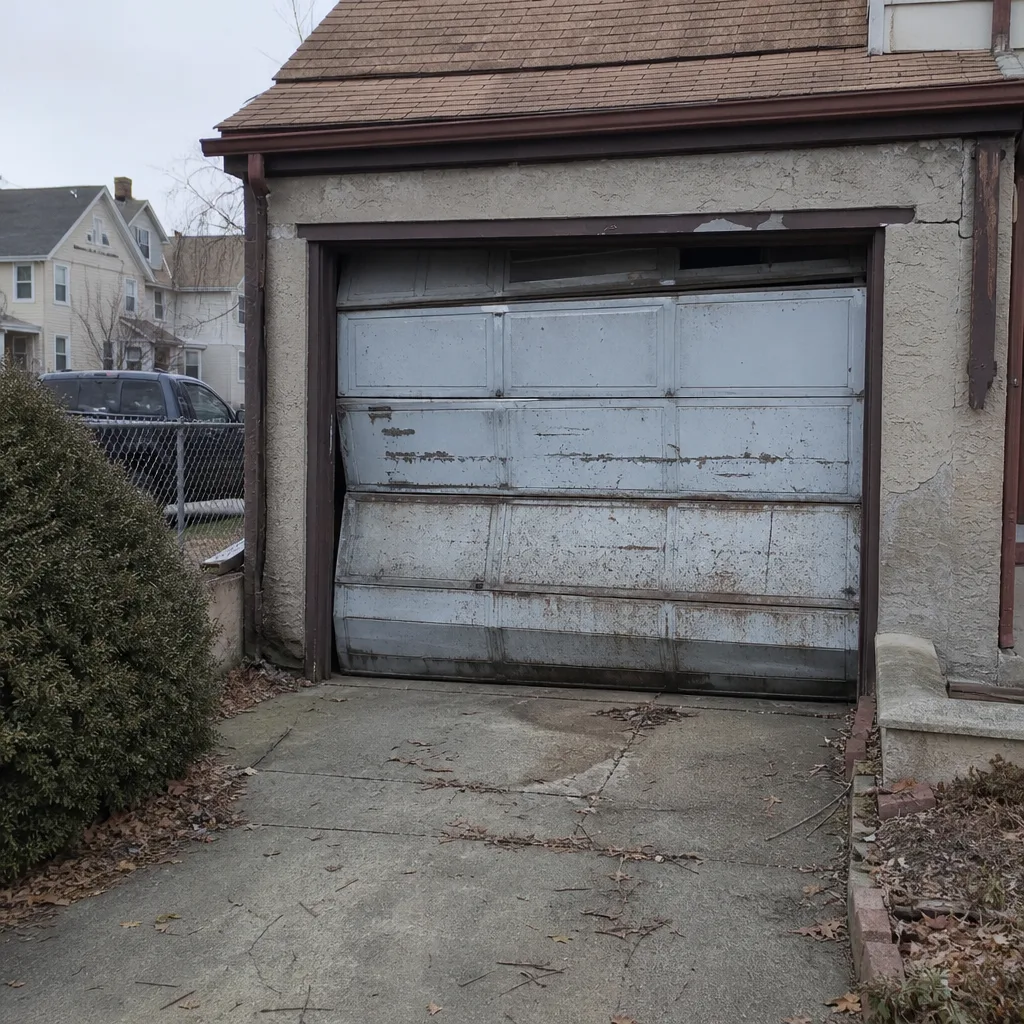 Before
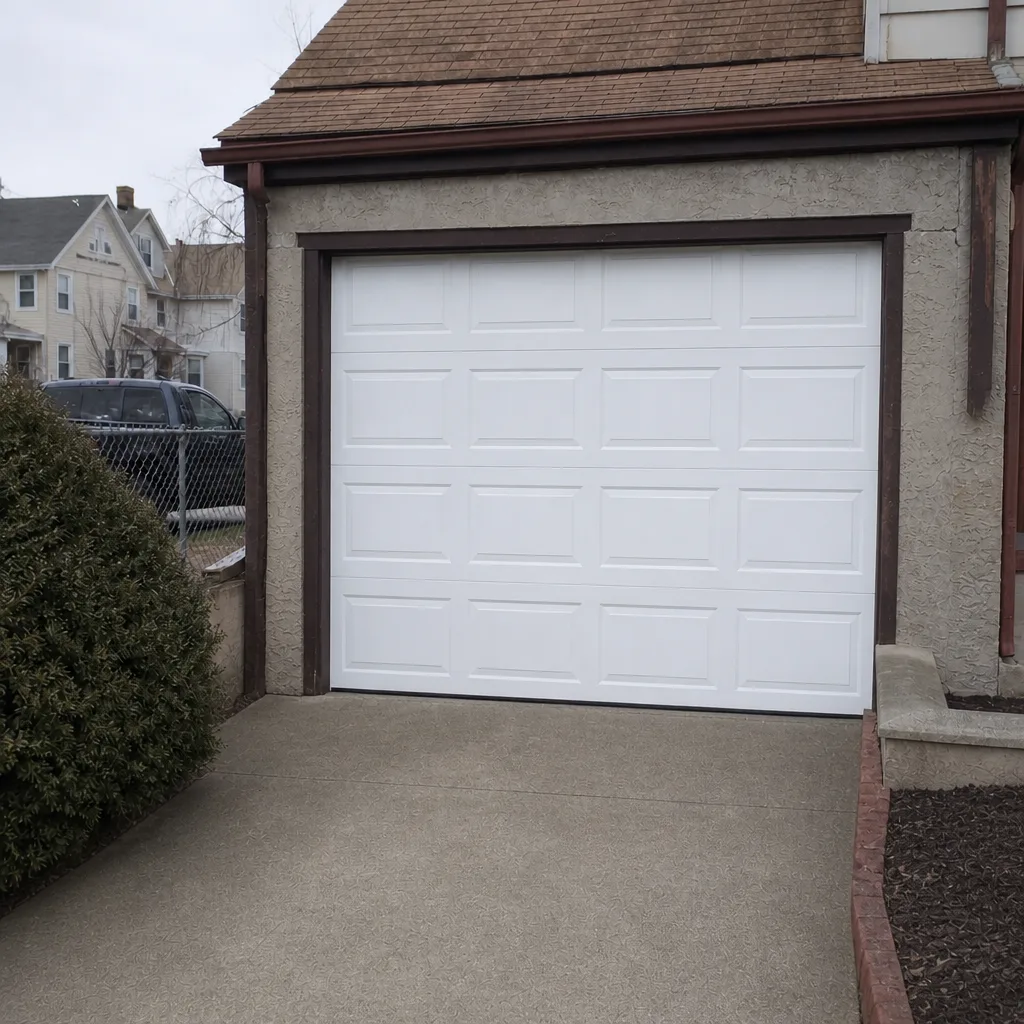 After
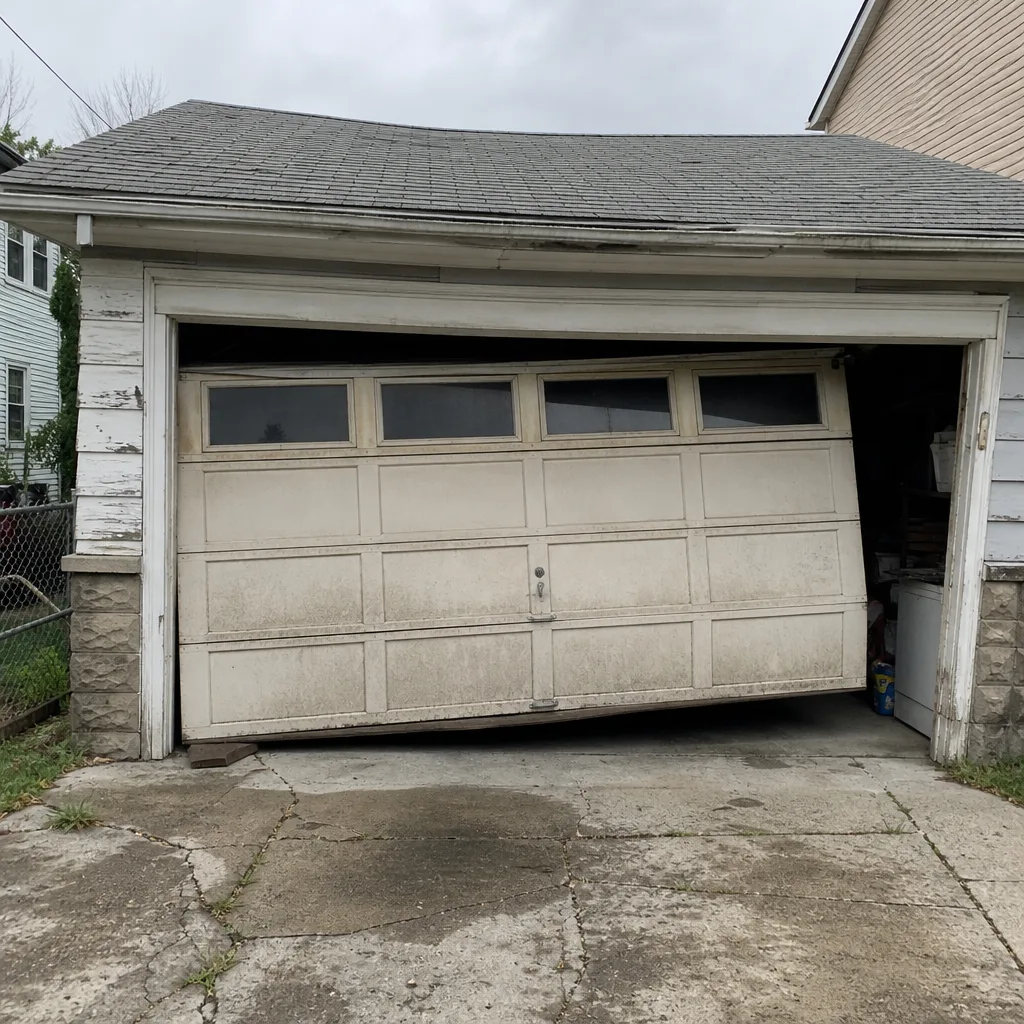 Before
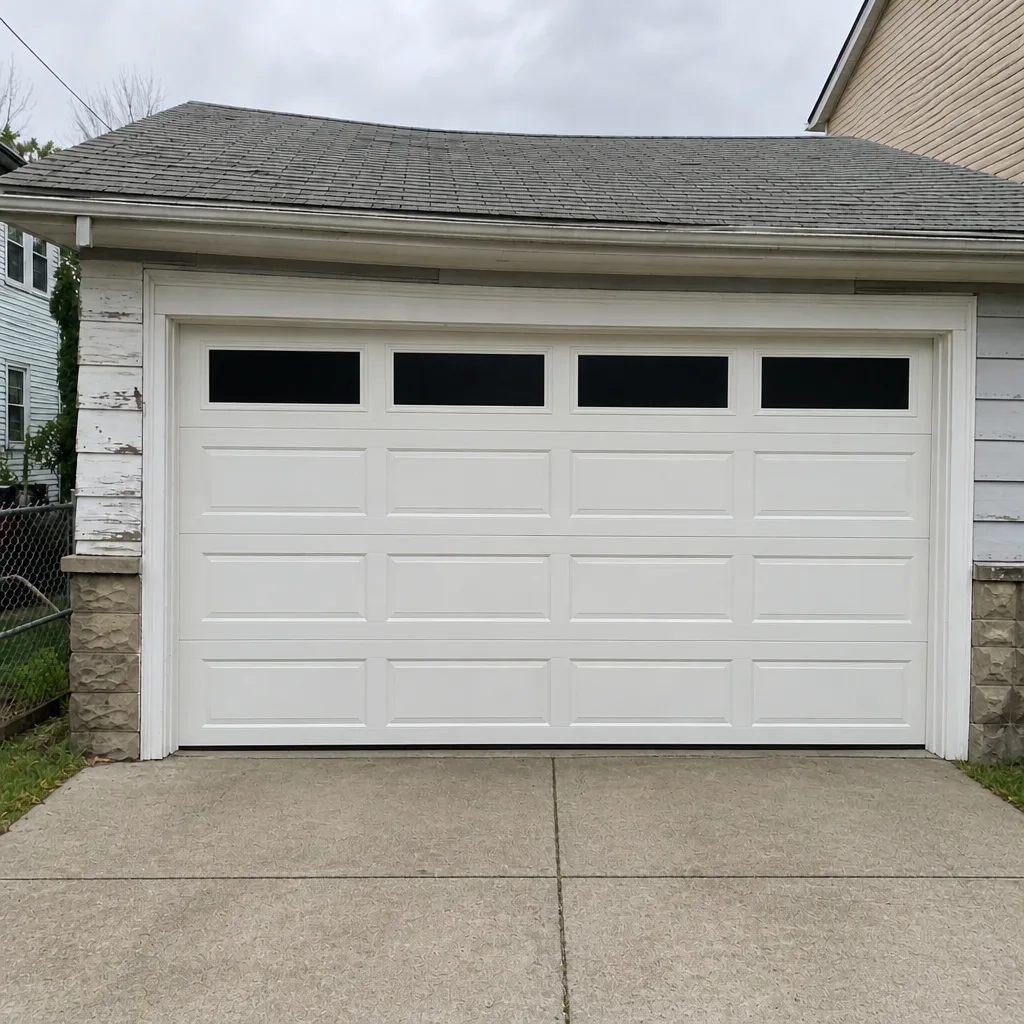 After
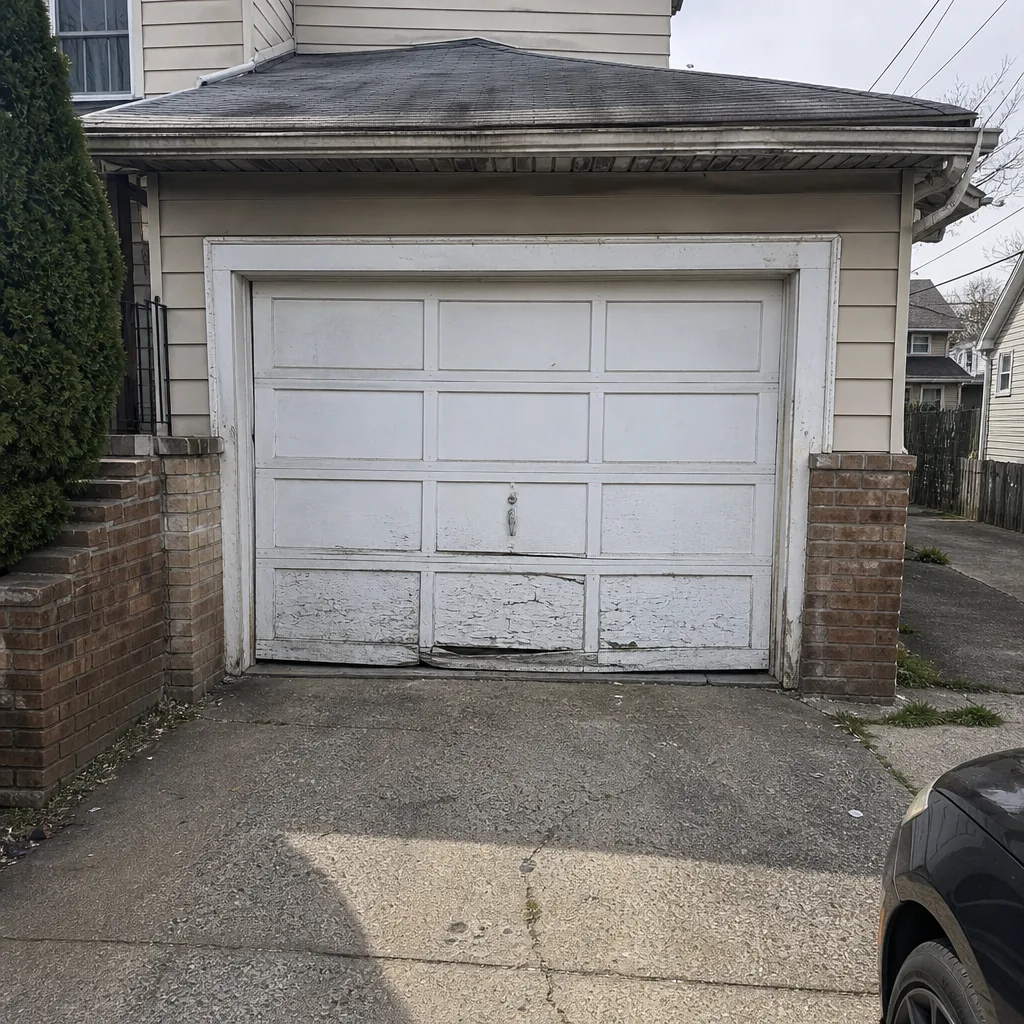 Before
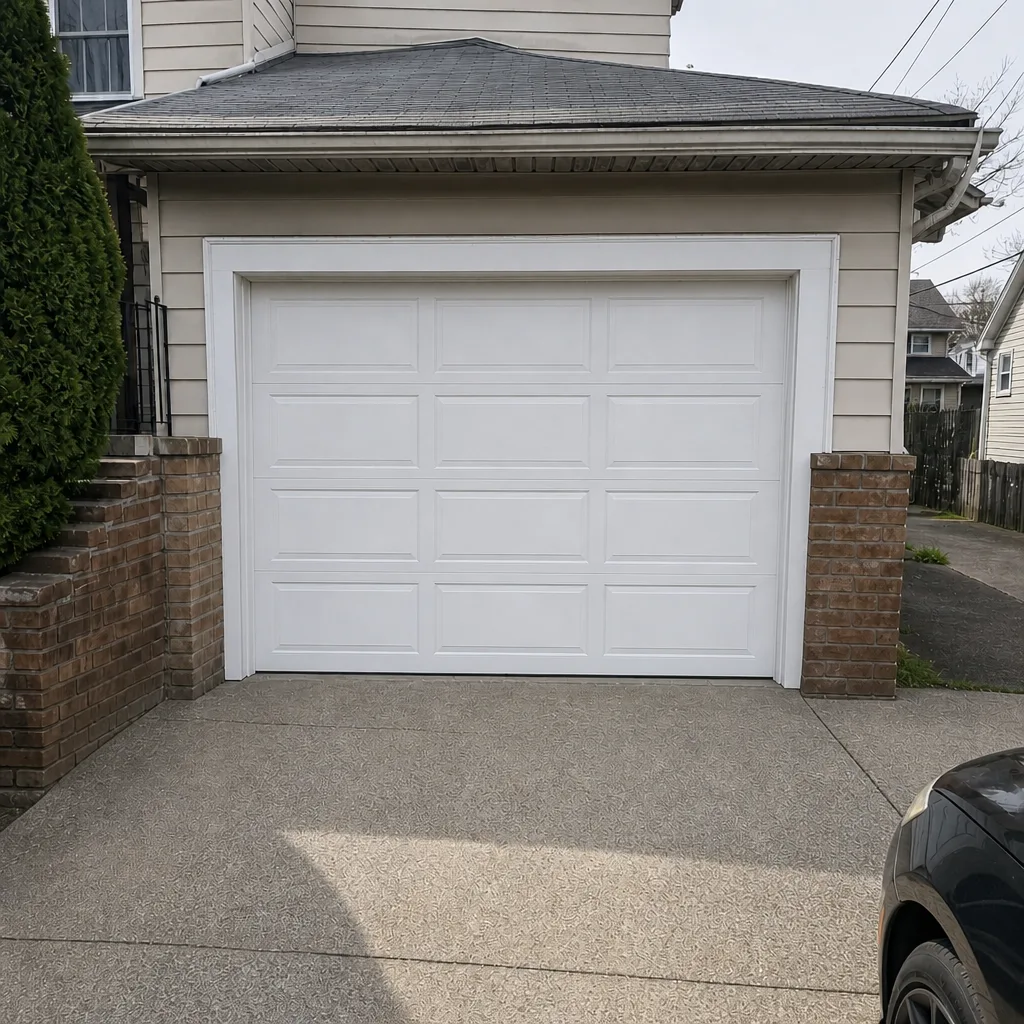 After
When to Call a Professional
Call a professional if your door has torsion springs and anything is off with its movement, if a spring is broken, if a cable has snapped or looks slack, or if the door is off its tracks or hanging unevenly. Call if the opener grinds, won’t reverse, or won’t respond to the remote after new batteries and a reset, and call if the photo-eye test fails. Call if your extension spring door has no safety cables, if the door is unbalanced, or if the bottom seal channel is damaged beyond a simple swap. Paterson Garage Door Repair Pros offers free estimates in Paterson. Call (833) 800-4197. We answer 24/7. Fast dispatch from 7am to 7pm, Sunday through Friday.
Frequently Asked Questions
No. Torsion and extension springs are under extreme tension, and a slip can cause serious injury regardless of skill or care. Replacing them is a job for a trained technician with the right winding tools and safety procedure. Call (833) 800-4197 for spring repair – estimates are free.
Typical pricing runs about $180 to $340 for replacing one spring, and a matched pair is usually replaced together at roughly twice that. Your written estimate sets the exact price before any work starts. Call (833) 800-4197 for an exact quote.
Yes, same-day service is available for a door that’s stuck open or won’t close, since that leaves your home unsecured. We answer 24/7, and fast dispatch runs 7am to 7pm, Sunday through Friday. A call outside dispatch hours is booked into the next opening. Call (833) 800-4197.
No. We inspect the door, quote the job in writing, and agree the price before work begins. If we find something different than expected, we discuss it first and you decide. Call (833) 800-4197 for a free estimate.
The local pro we connect you with is licensed and insured as their state requires, and our technicians have up to 13 years of experience. Call (833) 800-4197 to book.
No. A door with a broken spring shouldn’t be operated or forced, because the door is unbalanced and the opener is lifting the full weight. Keep everyone clear and call for a repair. Call (833) 800-4197.
The Bottom Line
The DIY vs professional decision on a garage door comes down to one question: does the job involve stored spring energy? If it doesn’t, and you’re comfortable with basic tools, a weather seal, a roller swap on an extension spring door, keypad programming, and a manual release reset are yours to do. If it does, springs, cables, drums, bottom brackets, and loaded track work are for a specialist, because the risk is mechanical rather than a test of skill. Respect that line and your door lasts longer, and you stay safe. For anything on the professional side, call (833) 800-4197 for a free estimate in Paterson. We answer 24/7. Fast dispatch from 7am to 7pm, Sunday through Friday.
Written by the team at Paterson Garage Door Repair Pros.