
Last updated November 21, 2026
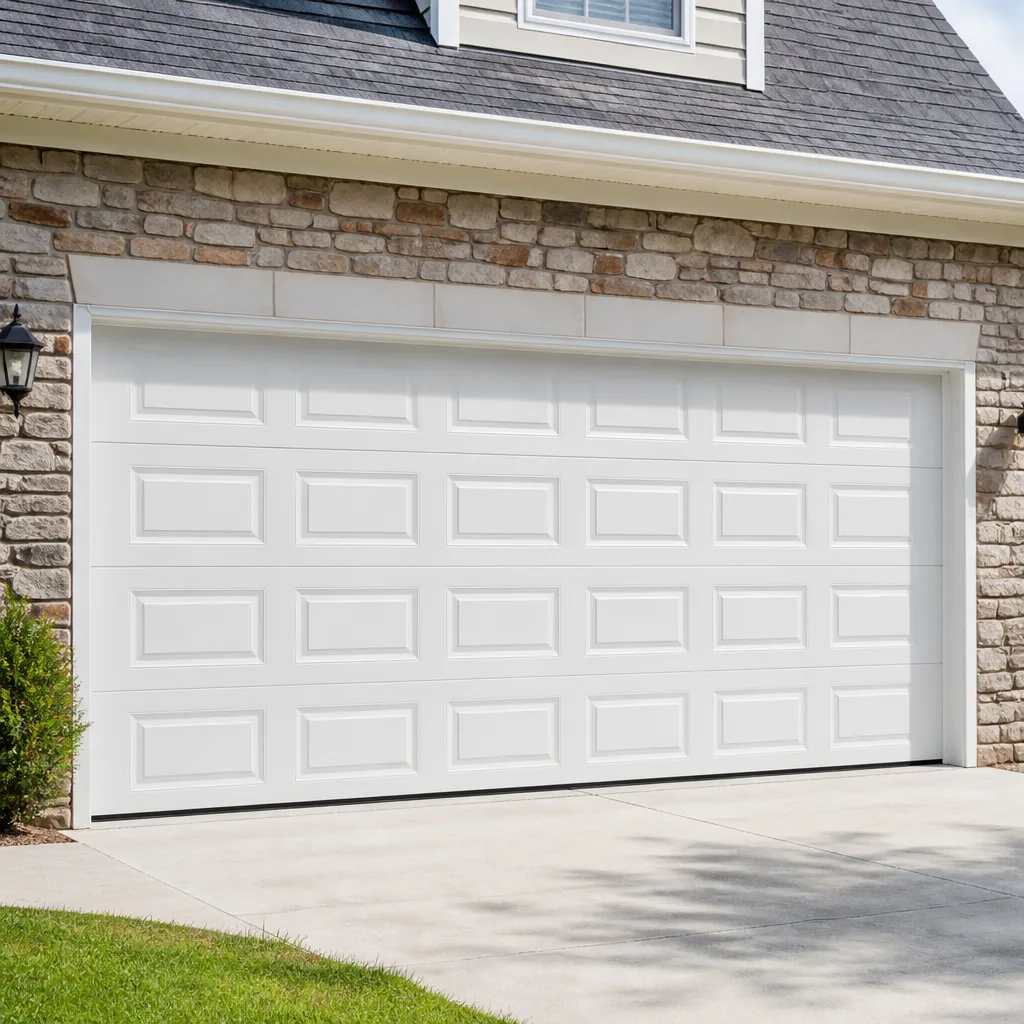 Raised-panel steel
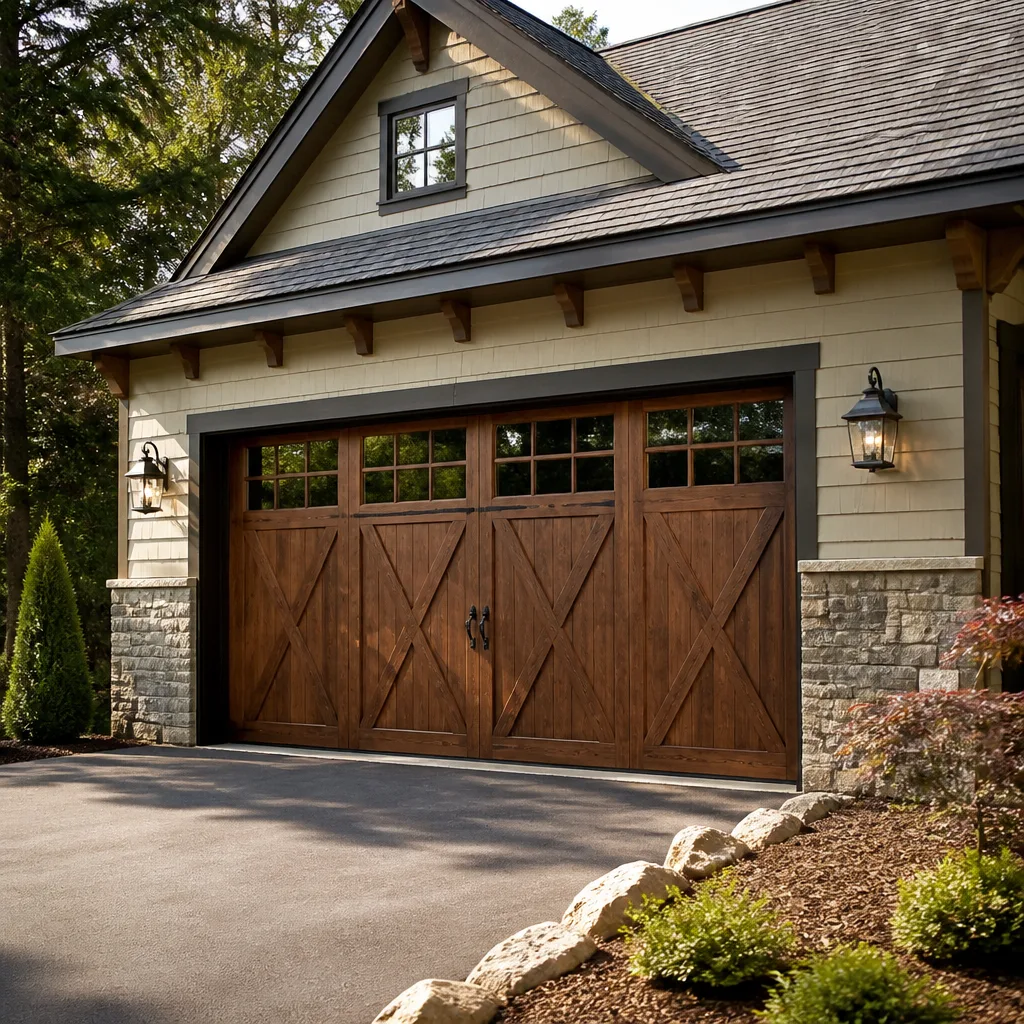 Carriage house
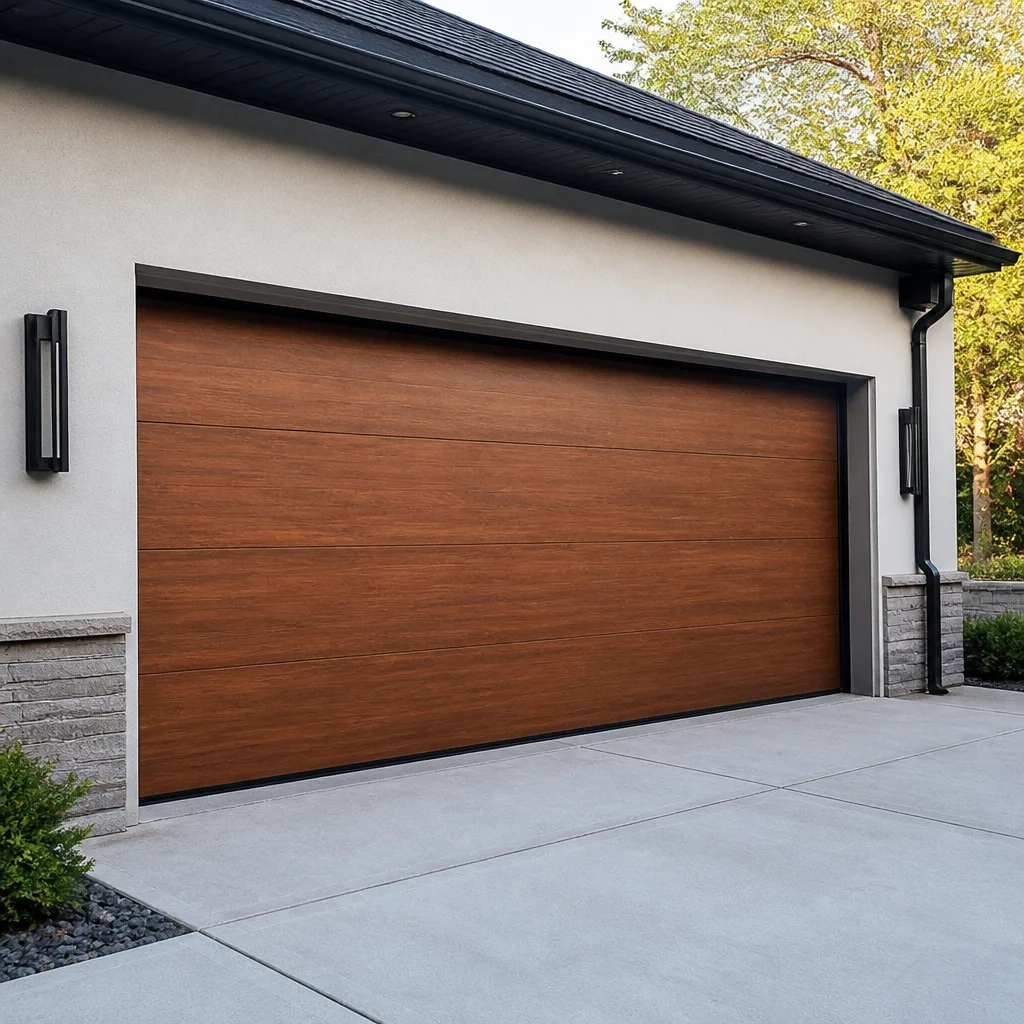 Modern flush
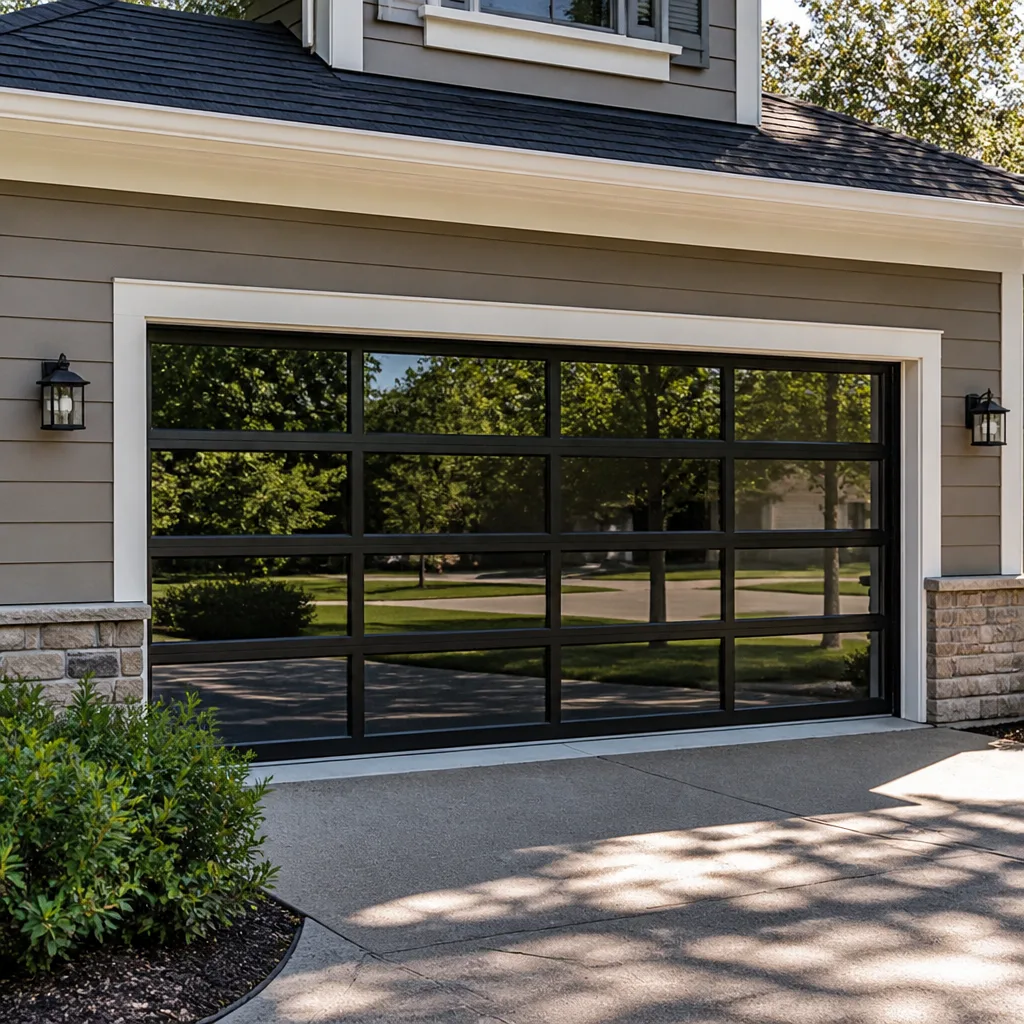 Full-view glass
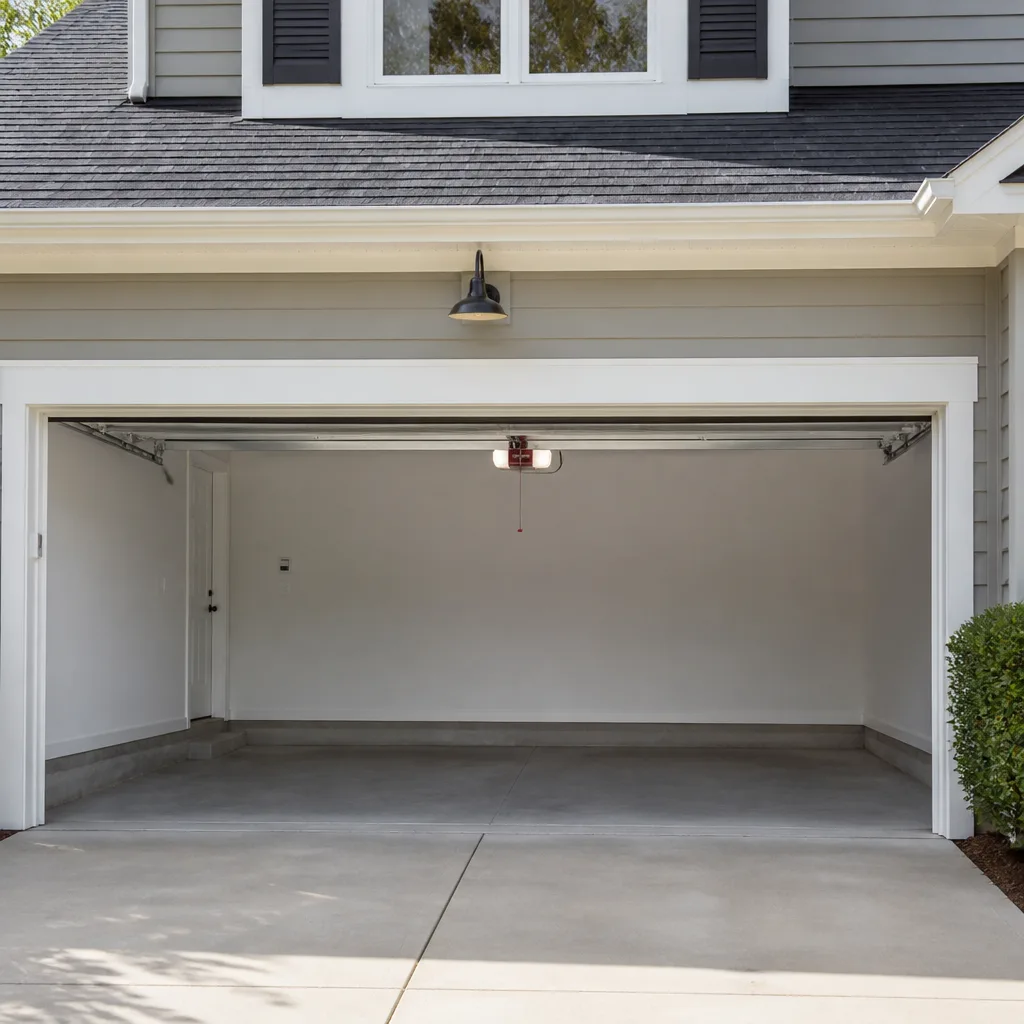 LiftMaster openers
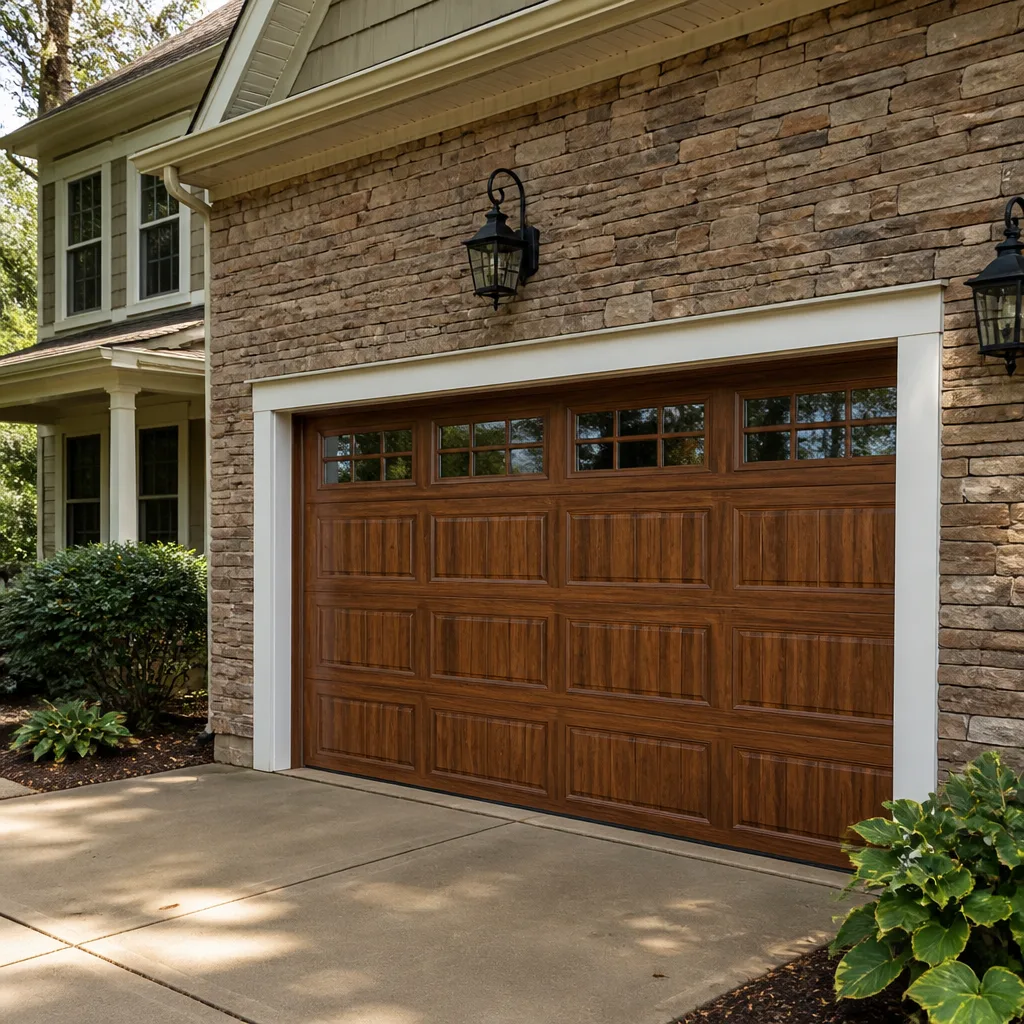 Chamberlain openers
Full 25-point door and opener safety check with every visit - springs, cables, rollers, tracks, and your LiftMaster or Chamberlain opener included
You get a price before we start. It does not change when the pro arrives.
Get your free estimateGarage Door Repair Maintenance Checklist for Paterson Homeowners
The call we get most often in Paterson isn’t about a spring that snapped without warning or an opener that died overnight. It’s about a door that “just stopped working” after weeks or months of warning signs nobody knew to watch for. Creaks, a slight lag, a bottom seal that’s started to peel, a cable that’s developing a stray strand – these are the early signals that separate a quick adjustment from a full repair. This guide is built around the specific failure patterns we see on Paterson service calls, laid out as a working checklist you can actually use. By the end you’ll know what to inspect, how often, which tasks are safe to handle and which ones belong with a trained technician.
Quick Answer
A garage door maintenance checklist for Paterson homeowners should cover lubrication, balance testing, photo-eye and auto-reverse safety checks, cable and spring inspection, and bottom seal review – performed monthly for safety tests, seasonally for lubrication, and annually for a full mechanical inspection. The two seasons that matter most in Paterson are the freeze-thaw stretch and the humid summer months, because those are when most preventable failures start. If you find a frayed cable, a broken spring, or a door that won’t reverse on contact, stop using the door and call a professional.
Styles & brands we work with
- Raised-panel steel
- Carriage house
- Modern flush
- Full-view glass
- LiftMaster openers
- Chamberlain openers
Table of Contents
- Why Most Garage Door Maintenance Checklists Miss the Point
- Monthly Checks: The Five-Minute Safety Test
- Lubrication: Springs, Rollers, Hinges, and the Right Products
- The Paterson Climate Schedule: Freeze-Thaw and Summer Humidity
- Cables and Bottom Seals: What Paterson Homeowners Overlook
- Warranty-Safe Maintenance: Chamberlain and LiftMaster Specifics
- What You Can Do Yourself and What You Shouldn’t
- When to Call a Professional
Why Most Garage Door Maintenance Checklists Miss the Point
The generic checklists floating around the internet tell you to “oil the springs” and “check the door balance” and then stop. That advice isn’t wrong, but it’s incomplete in ways that matter. A torsion spring and an extension spring take different lubricants, sit in different locations, and fail in different patterns. A door that passes a balance test in April can bind and stall in January because the metal contracted. A checklist that doesn’t account for those differences isn’t really a checklist – it’s a list of words next to a checkbox.
In Paterson, we work on doors in every kind of housing stock the city has: older two- and three-family homes with original wood doors, brick rowhouses with tight clearance, and newer builds with insulated steel panels. Each of these has its own failure rhythm. Wood doors swell in humidity and can drag on the frame. Steel doors in older frames often have track alignment issues that only show up after a hard freeze. The checklist below is built to catch those patterns before they turn into a pinned door on a cold morning.
We also want to be honest about scope. Maintenance prevents a lot of breakdowns, but it doesn’t prevent all of them. Springs have a finite cycle life no matter how well you care for them. What maintenance buys you is warning – time to schedule a repair instead of dealing with an emergency. If you’re already past the warning stage and need help now, garage door repair is where to start.
Monthly Checks: The Five-Minute Safety Test
These five checks take under five minutes combined and catch the majority of safety problems before they become dangerous. Do them once a month, and always after any storm that brings wind or debris.
- Photo-eye alignment test. With the door open, wave a broom handle or similar object across the beam between the two sensors mounted near the floor. The door should not close, or should reverse immediately if it’s already closing. If it closes anyway, the sensors are misaligned or dead, and that’s a same-day call.
- Auto-reverse force test. Place a roll of paper towels or a 2×4 flat on the floor in the door’s path. Close the door. When it contacts the object, it should reverse within about two seconds. If it keeps pressing down, the force limit is set too high and needs adjustment.
- Balance test. Disconnect the opener using the release cord (pull it with the door fully closed). Lift the door halfway by hand and let go. A properly balanced door stays put. A door that slams down or drifts up has a spring tension problem.
- Visual cable scan. Look at both cables running from the drums to the bottom brackets. You’re checking for fraying, kinks, or stray strands sticking out. Any of those means a cable is on its way out.
- Listen and watch. Open and close the door once. Listen for grinding, squealing, or popping. Watch for the door to shudder or jerk. Noises are information – they tell you where the friction is.
If any of these checks fail, that’s your signal to stop using the door until it’s looked at. On the balance test specifically: don’t keep cycling a door with a broken or weak spring, because the opener will try to lift the full weight and can burn out its gear or motor.
Lubrication: Springs, Rollers, Hinges, and the Right Products
“Oil the springs” is the advice everyone repeats and almost nobody gets right. The correct product and the correct application depend on what kind of spring system your door has, and using the wrong lubricant can attract grit that wears the parts faster than if you’d left them alone.
Torsion spring systems
Torsion springs are the horizontal springs mounted on a shaft above the door. They’re under high tension and they’re the springs most Paterson homes have on newer doors. Use a spray lithium grease or a dedicated garage door lubricant designed for torsion springs – not WD-40, not motor oil, not cooking spray. Apply a light coat along the coil, then cycle the door a few times so it works in. Don’t saturate the springs; you’re reducing coil-on-coil friction, not soaking them.
Extension spring systems
Extension springs run parallel to the tracks on either side of the door, usually on older doors. These need lubrication on the coils and, importantly, on the pulleys they run through. The same light lithium or garage door lubricant works here, but the inspection matters more than the lubrication: extension springs should have safety cables running through them, and if yours don’t, that’s a retrofit worth doing. An extension spring that breaks without a safety cable can fly across the garage.
Rollers, hinges, and tracks
Nylon rollers need almost no lubrication – a light spray twice a year is plenty. Steel rollers need a bit more attention. Hinges get a drop of lubricant at each pivot point. Tracks should be wiped clean with a damp cloth and left dry; grease on tracks attracts dirt and causes the rollers to drag. If your tracks are visibly bent or out of alignment, lubrication won’t fix that.
And a safety note we can’t skip: never attempt to adjust, remove, or lubricate the internal winding of a torsion spring or the tension on an extension spring while the system is under load. Those components store enough energy to cause serious injury. Lubricating the outside of a spring is safe. Working on the winding mechanism is a job for a trained technician with the right tools. If a spring is broken or the door is out of balance, that’s a garage door spring repair call, not a maintenance task.
The Paterson Climate Schedule: Freeze-Thaw and Summer Humidity
Paterson sits in a climate that cycles hard between freezing winters and humid summers, and that cycle does specific things to garage doors. A schedule that works in a mild climate won’t catch the same problems here. Below is the timing we recommend to Paterson homeowners, tied to the seasons that actually stress the equipment.
- Late fall (before the first hard freeze): This is the most important maintenance window of the year. Cold contracts metal, makes lubricants thicker, and can reveal a spring that’s been weakened for months. Test the balance, lubricate all moving parts, check the bottom seal for gaps, and make sure the door closes fully against the threshold. A door that closes fine in October can leave a gap in January if the seal has stiffened or shrunk.
- Mid-winter: Repeat the monthly safety tests and listen for new noises. Freeze-thaw cycles move the ground slightly, and that can shift track alignment or cause a door to bind on one side. If the door starts to drag or the opener strains, stop and get it checked before the opener fails too.
- Spring: Inspect cables closely – winter is when fraying accelerates – and check the springs for any visible gap or break. Wipe down the tracks and clean out any grit or debris that accumulated over the winter. This is also a good time to test the auto-reverse, since cold can make the opener’s force settings behave differently.
- Summer humidity: Wood doors swell and can drag on the frame; steel doors can have condensation issues on the interior panels in a humid garage. Check that the door moves freely, lubricate hinges and rollers, and inspect the bottom seal for warping. If your garage is unheated and uninsulated, the humidity swings inside are wider than outside, so pay attention to any new squeaks or binding.
- Early fall: Repeat the full inspection and lubrication before the cycle starts again. This is also the time to look at the opener’s mounting hardware, since vibration over a season can loosen bolts.
Beyond the seasonal schedule, there are a few Paterson-specific triggers worth knowing. After any storm with significant wind, check the panels for dents or impact damage and confirm the track hasn’t been pushed out of alignment. And if you live in one of the older brick rowhouse blocks where garages are tight to the property line, pay extra attention to the bottom seal – a small gap there lets in water, and repeated moisture is what kills wood door bottoms.
Cables and Bottom Seals: What Paterson Homeowners Overlook
Two components cause more “why didn’t I notice that sooner” conversations than any others: the lift cables and the bottom seal. Both degrade slowly, both are easy to miss if you don’t know what to look for, and both fail in ways that are far cheaper to fix early.
Cable fraying
The lift cables are the braided steel wires running from the bottom bracket up to the drums above. They’re under constant tension and they handle the full weight of the door on every cycle. What to look for:
- Stray strands sticking out anywhere along the cable – even one is a warning sign
- Kinks, birdcaging (where the cable has deformed into a looser, wider braid), or rust spots
- Cables that have jumped off the drum or are riding unevenly
- A door that hangs slightly crooked on one side – that’s often a cable that’s stretched or slipping
A frayed cable can snap without warning, and when it does, the door drops on one side. That’s not just an inconvenience; it’s a genuine hazard if anyone is under the door. If you spot fraying, stop using the door and call for service. A cable replacement is a straightforward repair, but it has to be done with the spring tension properly released first – not something to attempt yourself.
Bottom seal failure
The bottom seal is the rubber or vinyl strip along the bottom edge of the door. It’s what keeps out weather, water, and pests, and it takes a beating in a climate with freezes and humid summers. Signs it’s failing:
- Visible cracks, splits, or a seal that’s hardened and lost its flexibility
- The door closing but leaving a visible gap between the seal and the floor
- Water getting into the garage along the door line after rain
- The seal pulling away from the retainer or drooping on one side
- Daylight visible under the closed door
A failing seal lets water in, and repeated moisture is what rots wooden door bottoms and rusts the metal panels above them. Replacing a bottom seal is one of the more affordable maintenance jobs on a garage door, and doing it before the door bottom is damaged saves a much larger repair.
Warranty-Safe Maintenance: Chamberlain and LiftMaster Specifics
If your opener is a Chamberlain or a LiftMaster – two of the most common brands we see on Paterson calls – there are specific maintenance tasks that can affect your warranty coverage if done incorrectly. The details vary by model, so check your owner’s manual for the exact terms, but the general patterns are consistent.
Don’t adjust the force settings to compensate for a dragging door. The force limit is a safety feature. When a door starts binding, the temptation is to turn up the force so it pushes through. That defeats the safety mechanism and puts strain on the opener’s gear and motor. The right fix is to address the binding – the door balance or the track – not to raise the force limit. If you do adjust it, keep it within the range the manual specifies.
Don’t modify or bypass the safety sensors. Chamberlain and LiftMaster openers use the photo-eye system as part of the safety circuit. Taping over a sensor, disconnecting one, or mounting them out of alignment to “make the door close” can void the warranty on the safety system and creates a real hazard. If the sensors aren’t working, fix them properly.
Use the correct lubricant on opener components. The chain or belt drive, the rail, and the trolley carriage all need lubrication over time, but the wrong product can attract grit and wear the drive faster. Chamberlain and LiftMaster both specify light lubricants – not heavy grease – and if you’re not sure which product to use on your model, it’s worth asking before you apply it.
Don’t remove the opener’s housing to “look inside.” It’s tempting when the opener is making noise, but opening the housing can void the warranty and exposes components that hold stored energy. If the opener is grinding, straining, or failing to respond, that’s a garage door opener repair call. We work on LiftMaster and Chamberlain systems regularly and know their logic boards, travel limits, and safety circuits.
The same warranty-safe principle applies to the door itself. If you have a Clopay, Amarr, or Wayne Dalton door, the manufacturer’s warranty typically covers the panels and hardware but excludes damage from improper installation or modification. Drilling into a panel to mount something, painting over a factory finish with the wrong product, or bending a track back into place with a hammer can all affect coverage. When in doubt, ask before you modify.
What You Can Do Yourself and What You Shouldn’t
A useful way to think about garage door maintenance is to separate the tasks by energy stored. Anything that involves releasing, adjusting, or working around the springs and cables belongs with a technician. Everything else is fair game for a careful homeowner.
Safe for most homeowners
- Monthly photo-eye and auto-reverse safety tests
- Lubricating springs (externally), hinges, rollers, and opener chains with the correct product
- Wiping down tracks and clearing debris
- Visual inspection of cables, seals, and panels
- Replacing a bottom seal on most door models
- Tightening loose bolts on the opener mounting bracket and hinges
Belongs with a trained technician
- Any adjustment or replacement of torsion or extension springs
- Replacing lift cables or drums
- Straightening or replacing bent tracks
- Adjusting the opener’s force limit or travel settings beyond the manual’s simple instructions
- Replacing bottom brackets or the center bearing plate
- Any repair where the door is out of balance and you’re not sure why
The reason for that split isn’t caution for its own sake. Torsion springs and cables store enough energy that a slip can cause serious injury in an instant, and the specialized tools needed to wind a torsion spring aren’t in most home toolboxes. A technician arrives with those tools and the training to use them safely. Our technicians have up to 13 years of experience, and spring work is a core part of what they do – it isn’t farmed out. We handle torsion and extension spring repairs in-house because they require specific safety training and equipment that general handyman services often don’t have.
Common Mistakes to Avoid
- Using WD-40 on the springs or tracks. WD-40 is a solvent, not a lubricant, and it strips the existing lubricant rather than replacing it. Use a dedicated garage door lubricant or spray lithium grease instead.
- Greasing the tracks. Grease attracts dirt and grit, which then grinds into the rollers. Tracks should be clean and dry; the rollers get the lubrication.
- Raising the opener’s force limit to fix a dragging door. If the door is binding, the problem is in the balance or the track. Raising the force setting masks the problem and strains the opener.
- Ignoring a single frayed cable strand. A cable with one stray strand is already failing. Waiting for it to snap means a door that drops on one side and a much bigger repair.
- Painting over a factory-finished door with the wrong product. If the door is a Clopay, Amarr, or Wayne Dalton with a factory finish, the wrong paint can affect the warranty and the finish. Ask the manufacturer or a specialist before painting.
- Skipping the fall inspection because the door “seems fine.” The freeze-thaw cycle is when most preventable failures show up. A door that feels fine in September can bind in January.
- Letting the bottom seal go because the gap is small. A small gap lets in water, and repeated moisture is what causes rot and rust along the door bottom. It’s one of the cheapest fixes on the door.
See the difference
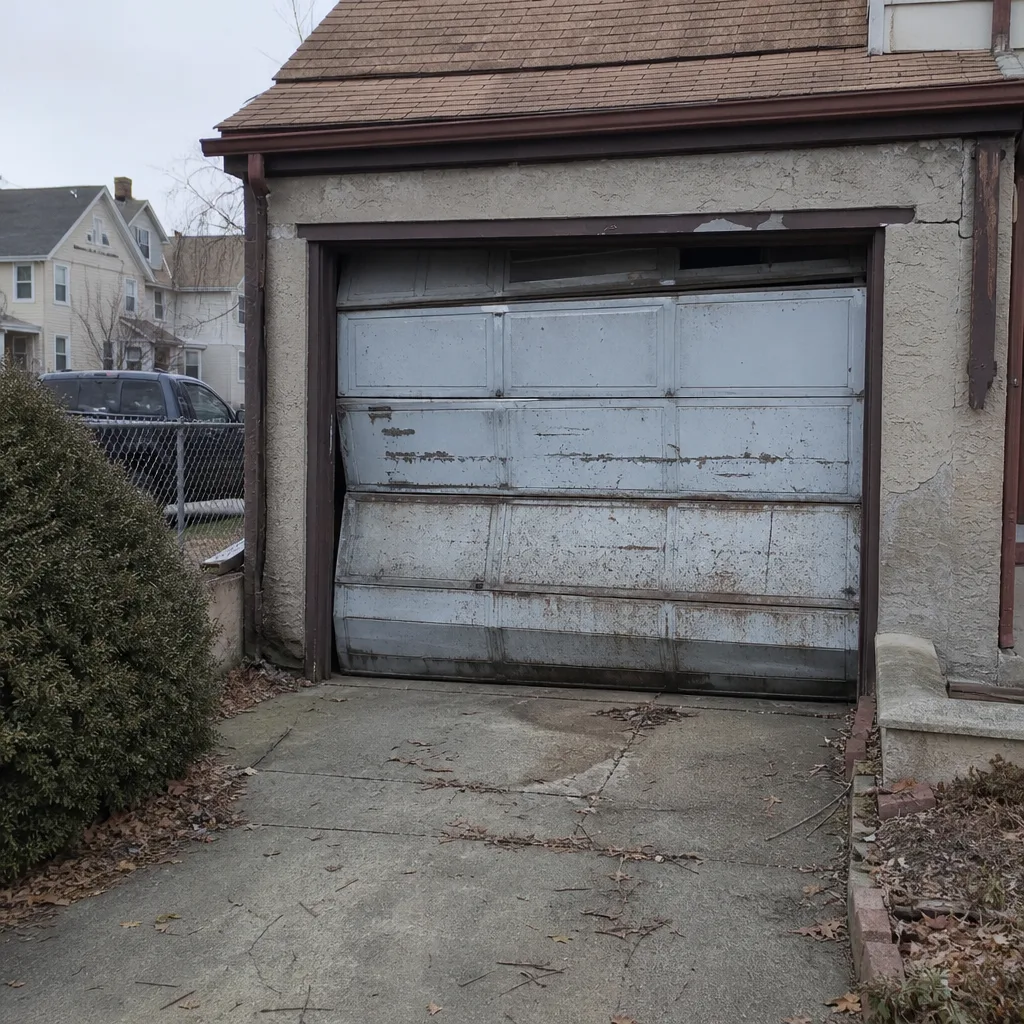 Before
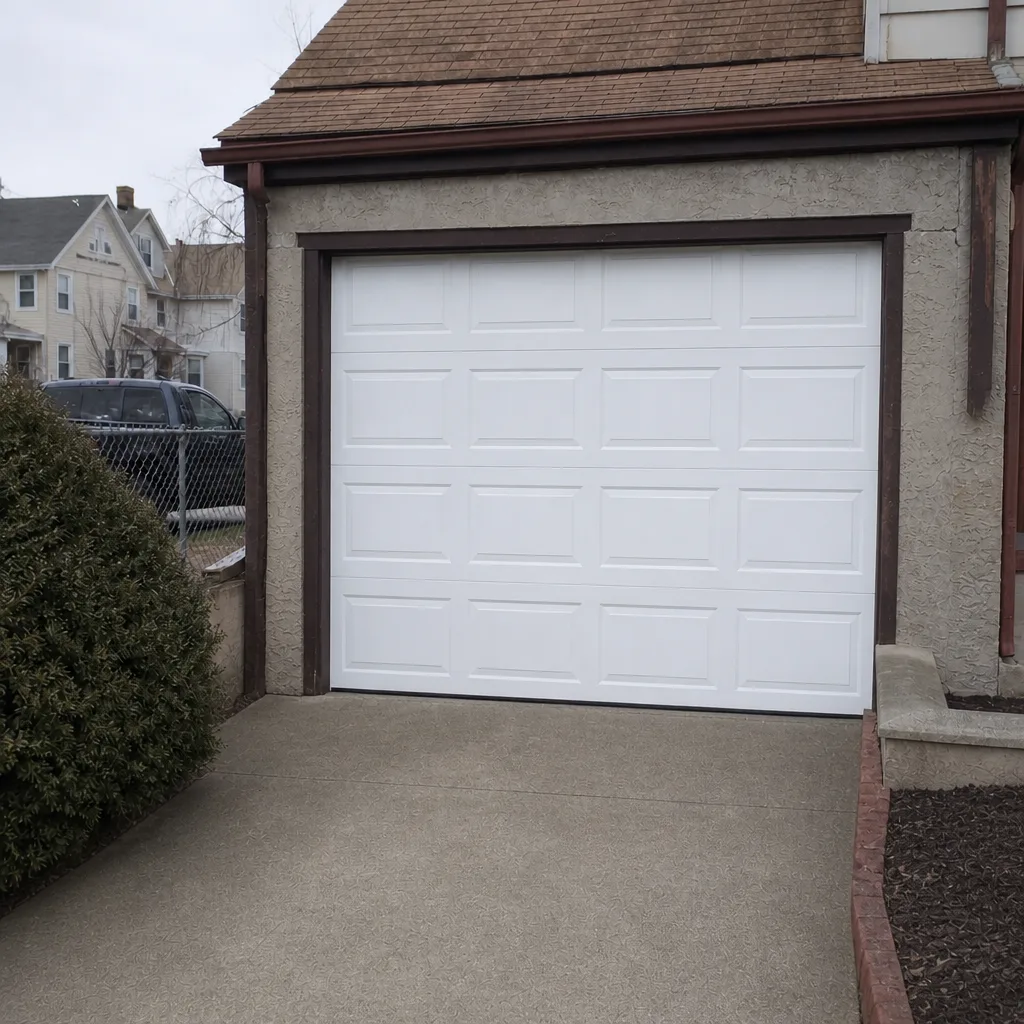 After
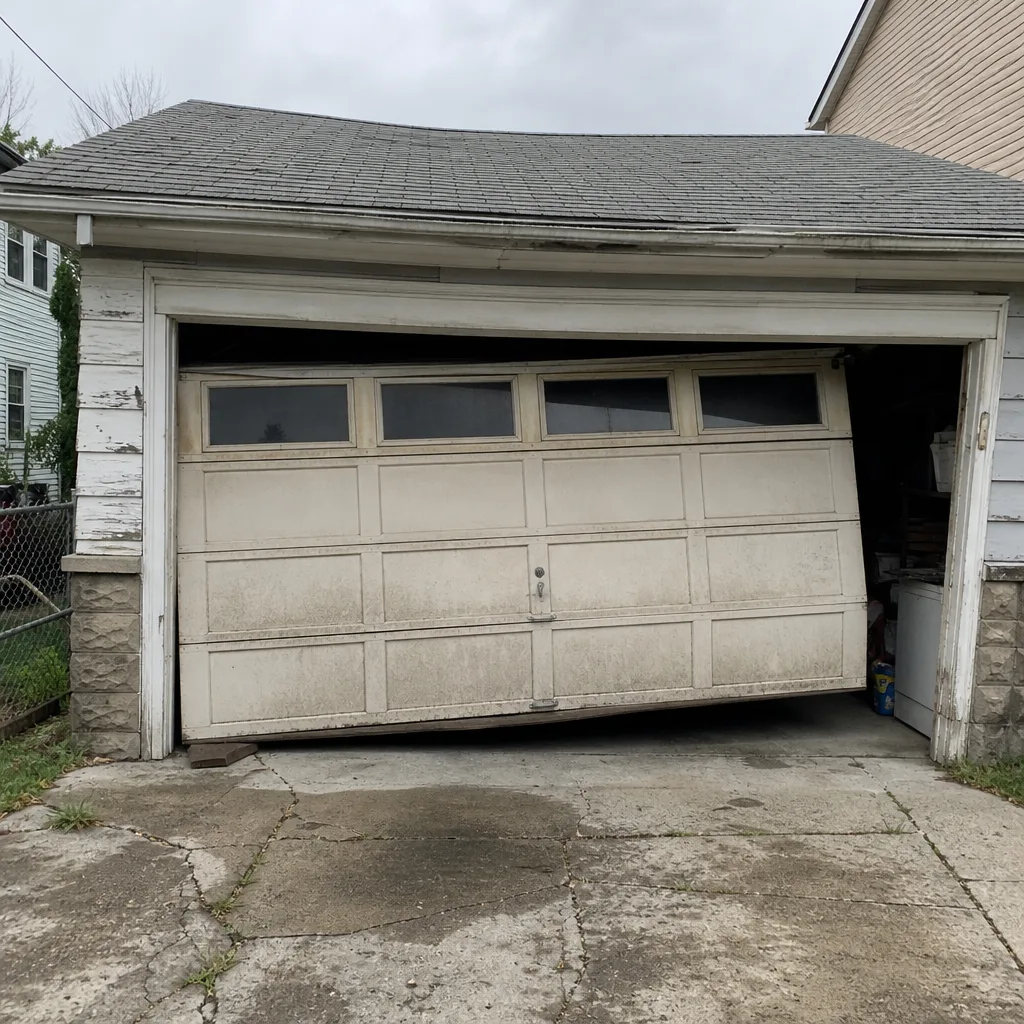 Before
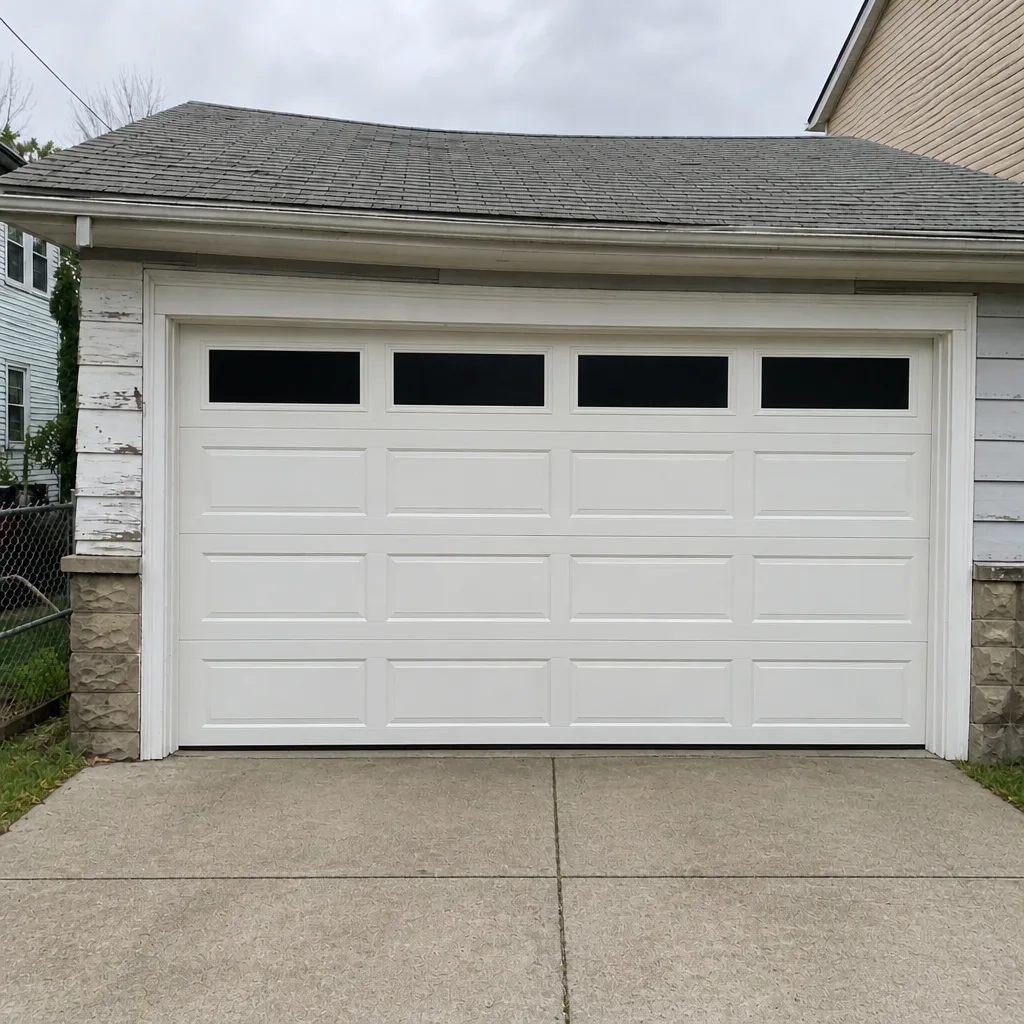 After
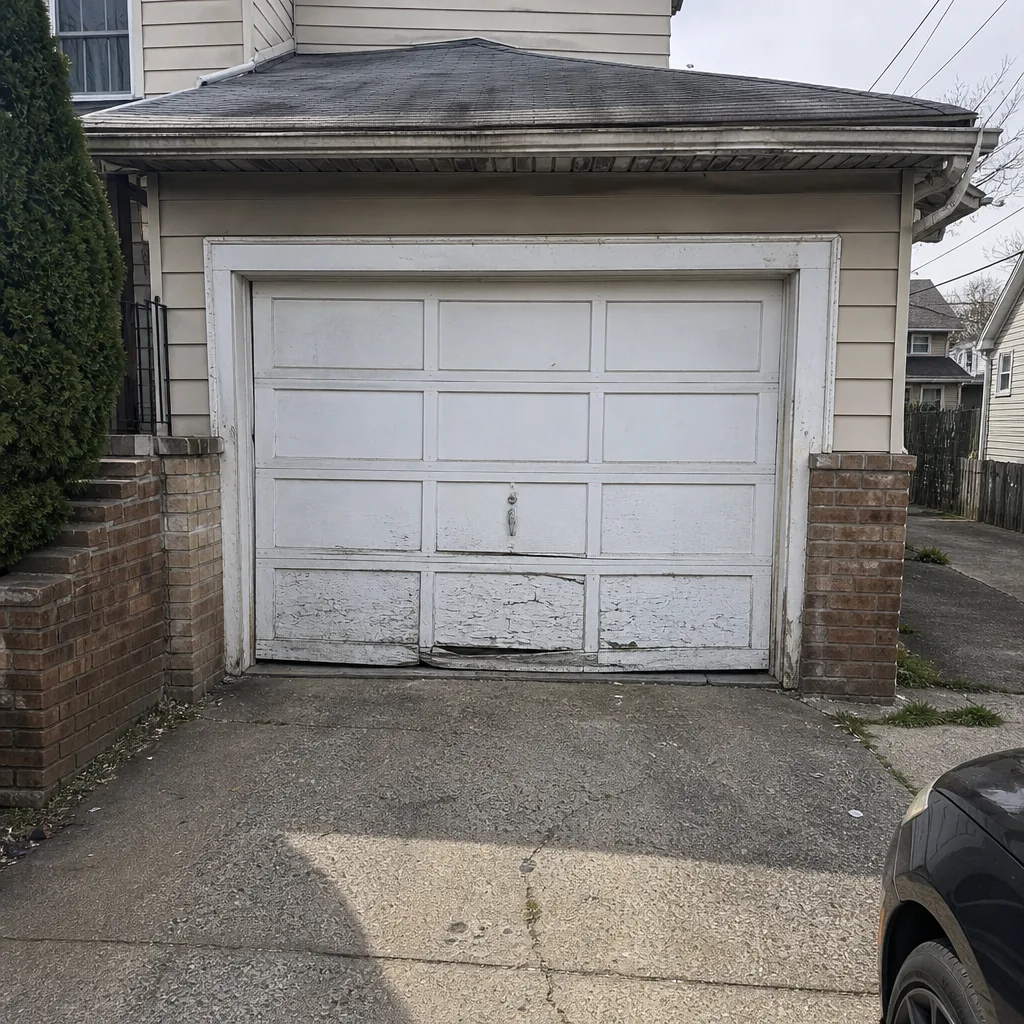 Before
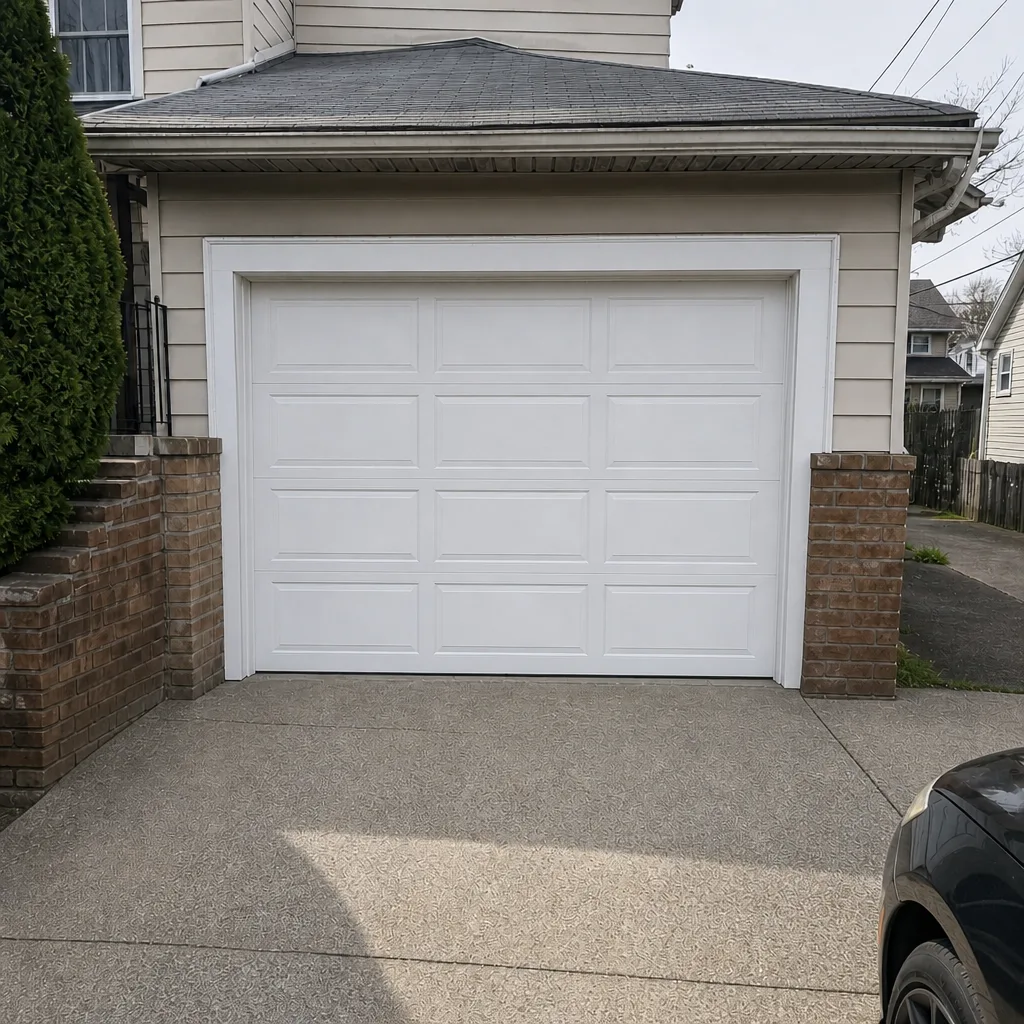 After
When to Call a Professional
Call a professional when you find a frayed or snapped cable, a broken or visibly weakened spring, a door that’s off its tracks or hanging crooked, an opener that’s grinding or failing to respond, or a door that won’t reverse on contact. Any of those is a stop-using-the-door situation until it’s been looked at. Also call if the auto-reverse test fails and you can’t fix it with simple sensor alignment, or if you’re not sure whether a noise or a drag is something serious. There’s no penalty for having someone look – it’s cheaper than a failed spring or a dropped door. Paterson Garage Door Repair Pros offers free estimates in Paterson – call (833) 800-4197. We work on LiftMaster, Chamberlain, Genie, Clopay, Amarr, Wayne Dalton, Craftsman, and Raynor equipment, and emergency service is available when a broken door is a security or access problem, not just an inconvenience. We answer 24/7. Fast dispatch from 7am to 7pm, Sunday through Friday.
Frequently Asked Questions
Twice a year is the baseline, timed to late fall (before the first freeze) and early summer (before the humidity peaks). If your door gets heavy daily use – say, multiple open-and-close cycles a day for a household with several drivers – add a third lubrication pass in early spring. Springs, hinges, rollers, and the opener chain all benefit from the schedule. Call (833) 800-4197 if you’re not sure which product to use on your specific system – estimates are free.
No – torsion and extension spring replacement is not a safe DIY job. The springs store enough energy to cause serious injury, and the specialized winding tools aren’t in most home toolboxes. We handle spring repair in-house with trained technicians. If a spring is broken, call (833) 800-4197 and we’ll get it assessed – estimates are free.
Look for stray strands sticking out along the cable, kinks, birdcaging, or rust spots. Also watch for the door hanging slightly crooked on one side – that’s often a cable that’s stretched or slipping. If you see any of those, stop using the door. A frayed cable can snap without warning, and a replacement is a straightforward repair when caught early. Call (833) 800-4197 for an exact quote – estimates are free.
Torsion springs mount horizontally above the door on a shaft; extension springs run parallel to the tracks on either side. The maintenance difference matters: torsion springs get an external coat of spray lithium grease, extension springs need the coils and pulleys lubricated and should have safety cables running through them. If your extension springs don’t have safety cables, that’s a retrofit worth doing. Call (833) 800-4197 if you’re not sure which system your door has – estimates are free.
Routine maintenance doesn’t void the warranty, but certain actions can – raising the force limit to compensate for a dragging door, bypassing the safety sensors, opening the opener housing, or using the wrong lubricant on the drive. Check your owner’s manual for the specifics on your model. If you’re not sure whether a task is warranty-safe, ask before you do it. Call (833) 800-4197 for an exact quote on any opener repair – estimates are free.
Freeze-thaw cycles contract metal, thicken lubricants, and can shift track alignment as the ground moves. A door that runs fine in October can bind in January if the seal has hardened, the tracks have shifted, or the springs have weakened. That’s why the late-fall inspection is the most important one of the year here. If your door starts dragging or the opener strains, call (833) 800-4197 – estimates are free.
The Bottom Line
Most garage door failures we see in Paterson aren’t sudden – they’re the end of a warning period that went unnoticed. The five-minute monthly safety test, a twice-a-year lubrication pass with the correct product for your spring type, and a close look at cables and the bottom seal before each freeze will catch the majority of preventable problems. Leave the springs and cables to a trained technician, keep the safety sensors and force settings alone on your Chamberlain or LiftMaster, and get an inspection if anything looks off. If you need help, Paterson Garage Door Repair Pros works on eight major brands and offers free estimates. Call (833) 800-4197. We answer 24/7. Fast dispatch from 7am to 7pm, Sunday through Friday.
Written by the team at Paterson Garage Door Repair Pros.